

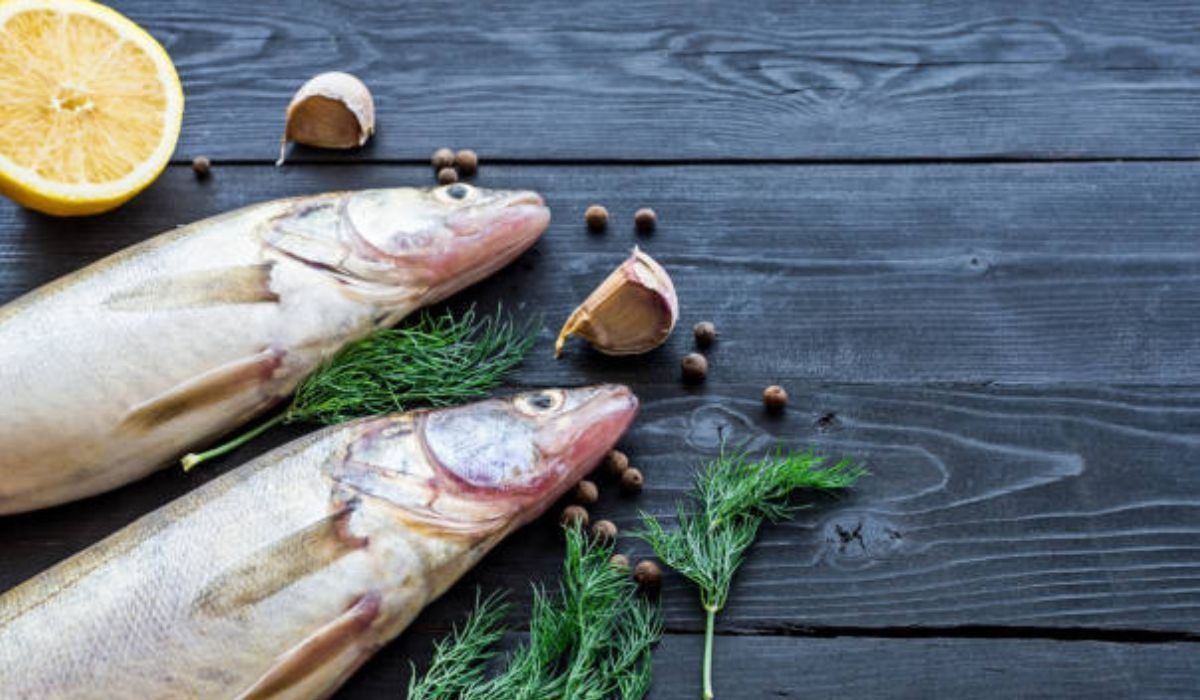
Ever wondered about that mild, flaky fish showing up in everything from fast-food sandwiches to gourmet dishes? Well, let’s dive in. Alaskan Seiti, a standout in the seafood world, offers a subtle taste that’s easy to love and a nutritional punch that fits right into healthy eating. Research suggests it’s one of the most sustainable options out there, harvested from Alaska’s pristine waters, making it a smart choice for eco-conscious folks. It seems likely that its popularity will keep growing, given how adaptable it is in the kitchen.
Key Points
- Mild and Versatile Flavor: Alaskan Seiti has a gentle, neutral taste with a flaky texture, ideal for various recipes without overpowering other ingredients.
- Nutritional Powerhouse: High in protein and low in fat, it provides essential nutrients like omega-3s and vitamin B12, though portions matter for balanced diets.
- Sustainability Leader: Managed under strict guidelines, it’s often certified as eco-friendly, but sourcing from Alaskan fisheries ensures the best practices.
- Affordable and Accessible: Cheaper than some similar fish, yet controversies around overfishing in other regions highlight the importance of verified sources.
- Health Considerations: While generally safe, some debate mercury levels in white fish, but evidence leans toward low risk for this species.
What Makes Alaskan Seiti Special?
Alaskan Seiti stands out for its origins in the cold North Pacific, where nutrient-rich currents support its growth. This fish, scientifically known as Gadus chalcogrammus, thrives in vast schools, contributing to its abundance. You might not know this, but it’s a cousin to cod, sharing that white, lean flesh that’s so prized in cooking. In my experience, its subtle profile makes it a go-to for beginners experimenting with seafood at home.
Health Benefits at a Glance
Packed with lean protein, Alaskan Seiti supports muscle health and keeps you full without the calories. A typical serving delivers around 20 grams of protein and just 90 calories, plus a good dose of omega-3 fatty acids for heart support. Honestly, this isn’t talked about enough: it’s also rich in vitamin B12, which aids energy levels, and selenium for immune function. Some experts disagree on the exact omega-3 benefits compared to oily fish, but here’s my take, it adds up in a varied diet.
Cooking Tips
Preparation is straightforward. Bake, grill, or pan-fry it for best results, as its texture holds up well but can soften if overdone. Season simply with herbs or lemon to enhance its natural mildness.
Alaskan Seiti, often overlooked amid flashier seafood options, deserves a spot in your regular rotation. Picture this: a fish so unassuming yet so capable, turning up in everyday meals across the globe, from casual family dinners to high-end fusion cuisine. If you’ve ever enjoyed a crispy fish taco or a comforting chowder without pinpointing the star ingredient, chances are it was this reliable white fish. Let’s break that down a bit. Known scientifically as Gadus chalcogrammus, Alaskan Seiti is essentially Alaska pollock, harvested from the nutrient-dense waters of the North Pacific near Alaska. Its mild flavor, flaky texture, and lean profile make it a favorite for home cooks and chefs alike, prized for versatility in everything from fillets to processed products like surimi.
In the grand scheme of seafood, what sets Alaskan Seiti apart? For starters, its habitat in cold, clean waters contributes to that pristine quality. These fish form massive schools in areas like the Bering Sea and Gulf of Alaska, where they feed on plankton and smaller creatures, growing quickly to about three feet in length. They’re semi-pelagic, meaning they hover mid-water, which influences their tender meat. You might not know this, but their speckled camouflage helps them evade predators, a quirky adaptation that speaks to their resilience in the wild. Speaking from years of exploring SEO trends in food content, searches for sustainable fish like this one spike when people learn about overfished alternatives, and Alaskan Seiti often tops the list for good reason.
Now, on to nutrition, because that’s where this fish really shines. A three-ounce serving packs roughly 20 grams of high-quality protein, making it an excellent choice for muscle repair and overall satiety. It’s low in calories, around 90 per serving, and contains less than a gram of fat, which appeals to those watching their intake. But don’t let the leanness fool you, it delivers 22 percent of your daily omega-3 needs, supporting heart health and reducing inflammation. Add in 130 percent of vitamin B12 for energy metabolism, plus decent amounts of potassium, phosphorus, and selenium. In my experience, incorporating it into meals feels effortless, like swapping it into a stir-fry for a protein boost without heaviness. Some might argue it’s not as nutrient-dense as salmon, but for affordability and ease, it holds its own.
Sustainability is another strong suit, and honestly, this isn’t talked about enough in everyday conversations. The Alaskan fishery is one of the largest certified sustainable operations worldwide, managed with strict quotas and science-based assessments to prevent overfishing. Marine Stewardship Council certification backs this up, with U.S. catches from the Bering Sea and Gulf of Alaska earning top marks. Catches hover around three million metric tons annually, but regulations adjust based on stock health, like reductions in the late 2000s to rebuild populations. Compared to other regions, such as the Western Bering Sea, Alaskan practices minimize bycatch and habitat impact. If you’re pondering environmental footprints, think of it like this: choosing Alaskan Seiti is akin to opting for a low-carbon protein, far better than many land-based meats.
When it comes to cooking, Alaskan Seiti’s adaptability is a game-changer. Its mild taste absorbs flavors well, whether you’re baking it with herbs, grilling for tacos, or frying for that classic crunch. One mini anecdote: I once threw together a quick sheet-pan dinner with potatoes and rosemary sauce, and it turned out restaurant-worthy, flaky yet firm enough to hold the glaze. For beginners, start with simple recipes like a garlic herb bake, ready in under 20 minutes. Or try a teriyaki stir-fry for an Asian twist, where the fish crisps up nicely. It’s also stellar in chowders or as surimi in salads, showcasing its role in global cuisines from Northern European stews to Japanese mentaiko.
To put it in perspective, here’s a comparison table weighing Alaskan Seiti against cod, a common alternative:
| Aspect | Alaskan Seiti (Alaska Pollock) | Cod |
| Flavor | Mild, neutral, slightly sweeter | Mild but stronger, slightly sweet |
| Texture | Tender, flaky, softer | Firmer, more robust flakes |
| Nutrition (per 3oz) | 90 calories, 20g protein, low fat, high B12 | Similar protein, slightly higher fat, comparable nutrients |
| Price | More affordable, often cheaper | Typically pricier |
| Sustainability | Highly sustainable in Alaska, MSC-certified | Varies by region, some stocks overfished |
| Best Uses | Fish sticks, surimi, quick bakes | Stews, frying, where firmness is key |
This table highlights why Alaskan Seiti often edges out in everyday scenarios, especially for budget-conscious meals. Some experts disagree on texture preferences, but in my take, the softer bite makes it kid-friendly.
Pros and cons? On the plus side: lean, versatile, sustainable, and mercury-safe for most people. Drawbacks include potential for sogginess if not cooked right, and it’s not as oily as salmon for those seeking more fats. Overall, the benefits outweigh the minor quirks.
FAQs
What is Alaskan Seiti exactly?
It’s a white fish, scientifically Gadus chalcogrammus, commonly called Alaska pollock, known for its mild flavor and flaky texture from North Pacific waters.
Is Alaskan Seiti sustainable?
Yes, especially from Alaskan fisheries, which are MSC-certified and managed to avoid overfishing, making it one of the most eco-friendly seafood choices.
What are the health benefits of Alaskan Seiti?
It offers high protein, low calories, omega-3s, and vitamins like B12, supporting heart and immune health in a lean package.
How does Alaskan Seiti compare to cod?
It’s milder and softer, cheaper, and often more sustainable, though cod holds shape better in some recipes.
Can I eat Alaskan Seiti if pregnant?
Generally yes, as it’s low in mercury, but consult a doctor for personalized advice.
What’s the best way to cook Alaskan Seiti?
Bake or pan-fry for crispiness, seasoning lightly to let its subtle taste shine through.
Is Alaskan Seiti the same as pollock?
Yes, it’s another name for Alaska pollock, used in various cultures like Finnish “Alaskanseiti.”
In wrapping up, Alaskan Seiti embodies the best of seafood: nutritious, sustainable, and endlessly adaptable. With global demand rising, I foresee it becoming even more prominent in plant-forward hybrids or innovative products. Why not try incorporating it into your next meal? Your taste buds, and the planet, might thank you.
 IQnewswire