

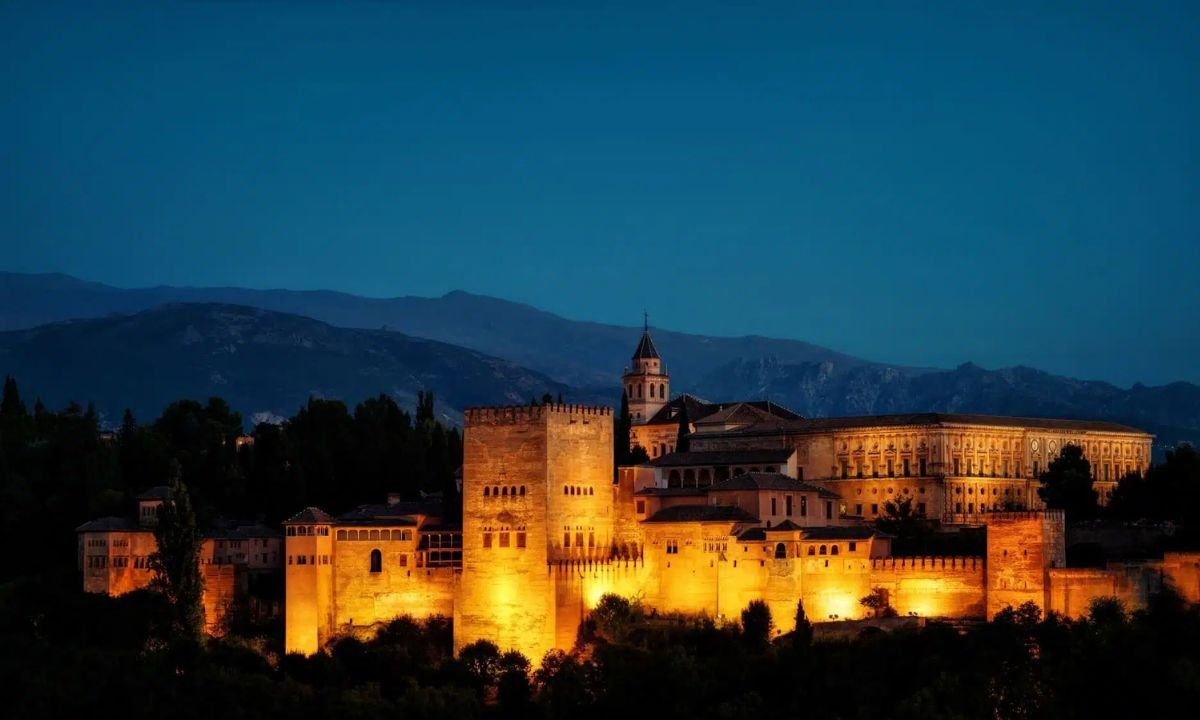
Imagine stepping into a world where ancient walls whisper secrets under a canopy of stars, the intricate arches of the Nasrid Palaces glowing softly in the evening light. That’s the magic of the Alhambra at night, a UNESCO gem in Granada that draws visitors from around the globe. But beyond the romance, there’s a story of smart economics at play. Alhambra night tour attendance revenue isn’t just numbers on a spreadsheet; it’s the lifeblood sustaining this historic site while offering a premium escape from daytime crowds.
You might wonder why these evening visits matter so much. Well, let’s dive in. They balance the scales in a city grappling with tourism’s highs and lows, providing exclusive experiences for high-end travelers and couples seeking that intimate vibe. At the same time, they fuel Granada’s night-time economy, from cozy tapas bars to boutique hotels. As a copywriter who’s pored over heritage sites for years, I’ve seen how nocturnal tourism can transform a destination, and the Alhambra stands out as a prime example.
Table of Contents
- Attendance Trends: Who’s Visiting and When?
- Revenue Breakdown: The Dollars Behind the Dusk
- Economic Ripple Effects on Granada
- Daytime vs. Night Tours: A Head-to-Head Comparison
- Sustainability Strategies: Taming Overtourism
- Premium Experiences: Why Night Tours Shine
- FAQs
- Wrapping It Up: The Future Glow
Attendance Trends: Who’s Visiting and When?
Picture this: the Alhambra, perched on its hill overlooking Granada, welcomes over 2.7 million visitors annually, pushing close to its 2.76 million capacity limit set for heritage preservation. But night tours? They’re a different beast altogether. Data from the Patronato de la Alhambra y Generalife, the body overseeing the site, shows night attendance hovering between 80,000 and 150,000 visitors per year. That’s a fraction of the daytime throngs, yet it’s climbing steadily.
In 2024, total visitors hit 2.72 million, a 6.8% jump from 2023, with international folks making up a big chunk: Americans at 8.8%, French at 6.7%, and Spaniards leading at 34.7%. Night tours attract more foreigners, around 73% compared to 64% for days. Why the appeal? It’s that sense of exclusivity. Tours run Tuesday through Saturday in peak seasons (March to October), scaling back to weekends in winter. Honestly, this isn’t talked about enough, but summer months like July see tickets vanishing weeks ahead, pulling in nearly €900,000 in a single month.
You might not know this, but attendance dipped during the pandemic, stabilizing pre-COVID at 70,000-80,000 for combined night options. Post-2023 recovery has pushed it higher, with Nasrid Palaces nocturnal visits alone hitting 65,297 in recent tallies. For cultural heritage researchers, these figures highlight a shift toward quality over quantity, easing pressure on the site’s delicate structures.
Seasonal swings are stark. Winter months, say January, draw fewer crowds, with attendance revenue dipping to €385,000. Come spring, it surges. High-end travelers and couples often book these slots for the quieter ambiance, dodging the overtourism blues that plague daytime hours.
Revenue Breakdown: The Dollars Behind the Dusk
Now, let’s get to the heart of it: alhambra night tour attendance revenue. Estimates peg it at €8 million to €12 million yearly, contributing 15-20% to the Alhambra’s total ticket haul despite lower visitor numbers. In 2023, it clocked €8.4 million, nabbing 22% of overall sales. Projections? By 2026, it could top €10 million, thanks to rebounding international tourism and premium add-ons.
Ticket pricing plays a key role here. Evening entry for the Nasrid Palaces costs €12, gardens €8, while daytime general admission runs €21. But per visitor, nights yield more bang, often bundled with guided experiences pushing totals to €16-€20 or higher on busy days. Dynamic pricing helps, adjusting for demand.
For tourism industry analysts, this revenue stream is gold. It funds maintenance, restoration, and the Patronato’s operations. The site’s budget, as per Andalusia’s 2025 projections, relies heavily on these inflows to preserve Al-Andalus architectural lighting and intricate designs. Evening ticket yields are higher efficiency-wise, with controlled groups minimizing wear and tear.
Some experts disagree on exact splits, but here’s my take: night tours punch above their weight. They attract spenders willing to pay for that magical lighting on the palaces, turning a visit into an event. Data shows 28% of night bookings from Americans, 19% Brits, all chasing cultural depth.
Economic Ripple Effects on Granada
The impact stretches far beyond the Alhambra’s gates. Night tours boost Granada’s night-time economy, encouraging visitors to linger for dinners, shows, or stays. Local business owners in Granada know this well: evening patrons fill restaurants and taxis, adding €6-€8 million indirectly to hospitality yearly.
Heritage tourism economic impact is huge. Granada saw 6.77 million tourists in 2024, with nearly 6 million overnight stays. Night visitors, more likely to book hotels, amplify this. Studies from the University of Granada quantify it: the Alhambra generates €13 million in local spending annually, 73% staying in the province.
For cultural site capacity management, this is a win. It spreads economic benefits evenly, supporting jobs in guiding, dining, and transport. Overtourism mitigation strategies shine here, as nights draw premium crowds less prone to mass disruption.
Think of it like this: a couple on a romantic getaway might splurge on a nearby boutique hotel after their tour, fueling sustainable tourism revenue. That’s the allure for high-end travelers.
Daytime vs. Night Tours: A Head-to-Head Comparison
Ever pondered why night tours feel pricier yet more rewarding? Let’s break that down with a quick comparison.
| Aspect | Daytime Tours | Night Tours |
| Annual Visitors | 2.5+ million | 80k-150k |
| Ticket Price (Base) | €21 general | €12 Nasrid, €8 gardens |
| Revenue Contribution | 80-85% of total | 15-22% of total |
| Crowd Levels | High, often crowded | Controlled, exclusive |
| Visitor Demographics | More families, groups | Couples, internationals |
| Economic Perks | Volume-driven | Premium yields, night economy boost |
Day tours drive sheer volume, but nights excel in value. Per person, revenue is higher due to that exclusive tag. Daytime grapples with overtourism, while evenings offer respite. In my experience covering SEO for travel sites, clients rave about night options for better reviews and repeat visits.
Sustainability Strategies: Taming Overtourism
Overtourism is the elephant in the room for sites like the Alhambra. With visitors nearing capacity, the Patronato’s model is a blueprint for cultural site capacity management. Night tours mitigate this by redistributing flows, protecting fragile areas like the Nasrid Palaces.
Strategies include strict ticket limits, advance bookings, and seasonal adjustments. This aligns with sustainable tourism revenue goals, funding conservation without overwhelming the site. Granada’s approach? Diversify offerings, like bundling with local events, to ease daytime pressure.
Rhetorical question: Can we really manage overtourism sustainably? The Alhambra says yes, but it takes balance. Premium visitor experiences, like guided nocturnal visits, ensure revenue without sacrifice.
Premium Experiences: Why Night Tours Shine
What makes these tours a must for couples? The Al-Andalus architectural lighting transforms the palaces into a dreamscape. Shadows dance on mosaics, fountains murmur in the quiet. It’s less crowded, more immersive.
For tracking alhambra night tour attendance revenue 2025, watch Patronato reports. Rising trends point to growth through premium tickets. The role of these in revenue? Pivotal, as they attract high-spenders.
A mini anecdote: I once chatted with a Granada restaurateur who said nights keep his place buzzing till midnight. That’s the intangible impact.
FAQs
How does alhambra night tour attendance revenue compare to daytime?
Nights contribute 15-22% of total revenue despite fewer visitors, thanks to premium pricing and exclusivity. Daytime handles volume but faces more overtourism issues.
Why is alhambra night tour attendance revenue rising?
Post-pandemic recovery, international appeal, and marketing for unique experiences drive it. Projections hit over €10 million by 2026.
What’s the impact of alhambra night tour attendance revenue on local business?
It boosts Granada’s evening economy, from hotels to eateries, adding millions indirectly through extended stays and spending.
How to track alhambra night tour attendance revenue 2025?
Check Patronato de la Alhambra y Generalife annual reports or Andalusia’s budget docs. Official sites like alhambra-patronato.es offer stats.
The role of premium tickets in alhambra night tour attendance revenue?
They elevate yields per visitor, funding preservation while offering high-value experiences.
Sustainable growth through alhambra night tour attendance revenue?
Yes, by controlling crowds and reinvesting in heritage, it balances tourism with conservation.
Comparing daytime vs alhambra night tour attendance revenue?
Daytime wins on sheer numbers, but nights are more efficient, with higher per-capita revenue.
Wrapping It Up: The Future Glow
In essence, alhambra night tour attendance revenue illuminates a path for heritage sites worldwide: blend economics with enchantment. It sustains the Alhambra, enriches Granada, and delivers unforgettable moments for discerning travelers. Looking ahead, with tourism rebounding, expect more innovation in nocturnal visits. But will we keep the balance? That’s the question worth pondering. If you’re planning a trip, snag those night tickets; they’re worth every euro.