

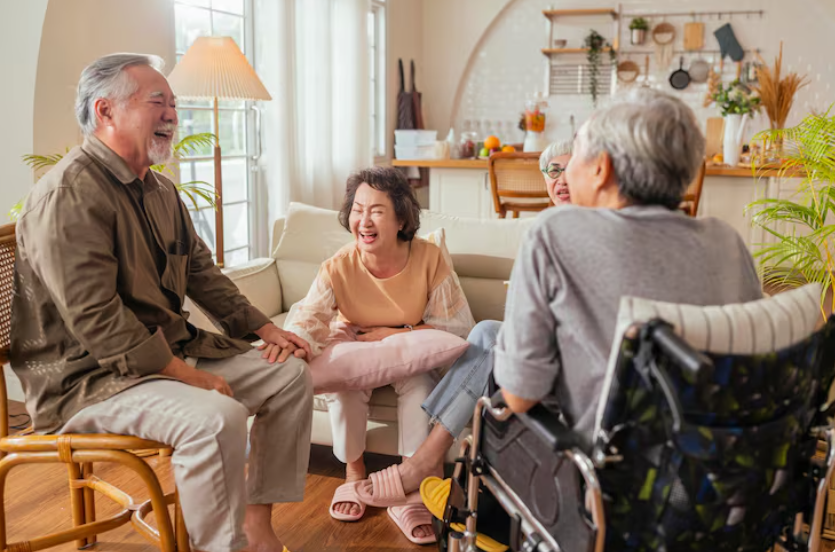
Not all senior living communities are created equal. What they offer is worth looking for – if you want to choose the right community for yourself or your elderly loved one. Below, we’ve compiled some top features that most communities have in common. So, check them out…
- Barrier-Free, Age-Friendly Infrastructure
Lots of communities feature universal design, which includes step-free access, ramps, wide hallways, non-slip flooring, and ample lighting in public areas and private residences alike. This infrastructure reduces the risk of slips and falls and improves mobility.
- Accessible Transportation Options
Reliable and budget-friendly transportation facility counts. For medical appointments, shopping, and social events, it’s wise to ensure easy access to shuttles, on-demand services, or public transit. This accessibility to move and visit loved ones brings independence and a sense of belonging.
- Comprehensive Safety and Security Services
In terms of gated entrances, CCTV, and staff surveillance, many communities provide round-the-clock security. The safe living environment offers peace of mind to residents and their families. Installing emergency response systems, such as alert buttons, in homes ensures that residents receive immediate assistance.
- On-Site Healthcare and Wellness Programs
Regular check-ups, medication management, and specialized care (such as memory support) are what most residents need. In light of this, most communities, like the Conservatory at Alden Bridge and others in other states, provide access to on-site clinics, nurses, or caregivers for all that. Residents don’t have to leave home to receive personalized care.
- Diverse Social and Recreational Activities
Most senior living communities’ major aim is to provide older adults with active, scheduled programming, including fitness classes, arts, and crafts. Beyond that, they arrange game nights and provide continuing education to combat residents’ loneliness and cultivate a sense of community.
- Nutritious, Shared Dining Experiences
Communities are designed with numerous dining options, often including nutritionist-led menu planning. They offer convenient, delicious meals and serve as a daily hub for socializing with other residents, helping you feel more connected.
- Low-Maintenance Living (Housekeeping and Maintenance)
Designed specifically for senior care and support, communities offer a myriad of services, such as regular cleaning, linen changes, and exterior maintenance (such as snow removal and landscaping). Staff specializing in all these tasks removes the burdens of homeownership.
- Green Spaces and Outdoor Amenities
Communities are also focused on maintaining walking paths, sensory gardens, parks, and comfortable seating areas. If you want to be in a living community with all that, you’ll enjoy fresh air, low-impact exercise, and moments of relaxation.
- Proximity to Local Amenities and Services
Well-known communities are located near essential services, such as pharmacies, grocery stores, libraries, and banks, to serve individuals in their golden years. So, they can remain connected to the wider community, alleviating a sense of loneliness and of not feeling well served.
- Flexible and Personalized Care Options
Aging individuals require care, attention, and support to stay healthy, active, and independent. As residents’ needs change, communities offer tailored care plans that can adapt. They enable a transition from independent living to assisted living without moving to a new location.
Conclusion
Communities designed for older adults become truly ideal when they combine safety, comfort, independence, and meaningful engagement. Features such as barrier‑free infrastructure, accessible transportation, strong security measures, on‑site healthcare, and diverse social activities create an environment where residents can thrive. Nutritious dining options, low‑maintenance living, green outdoor spaces, proximity to essential services, and flexible care plans further enhance quality of life by reducing stress and supporting long‑term well‑being. When these elements come together, seniors gain the freedom to enjoy their days with confidence, connection, and a renewed sense of purpose.
 Siam
Siam