

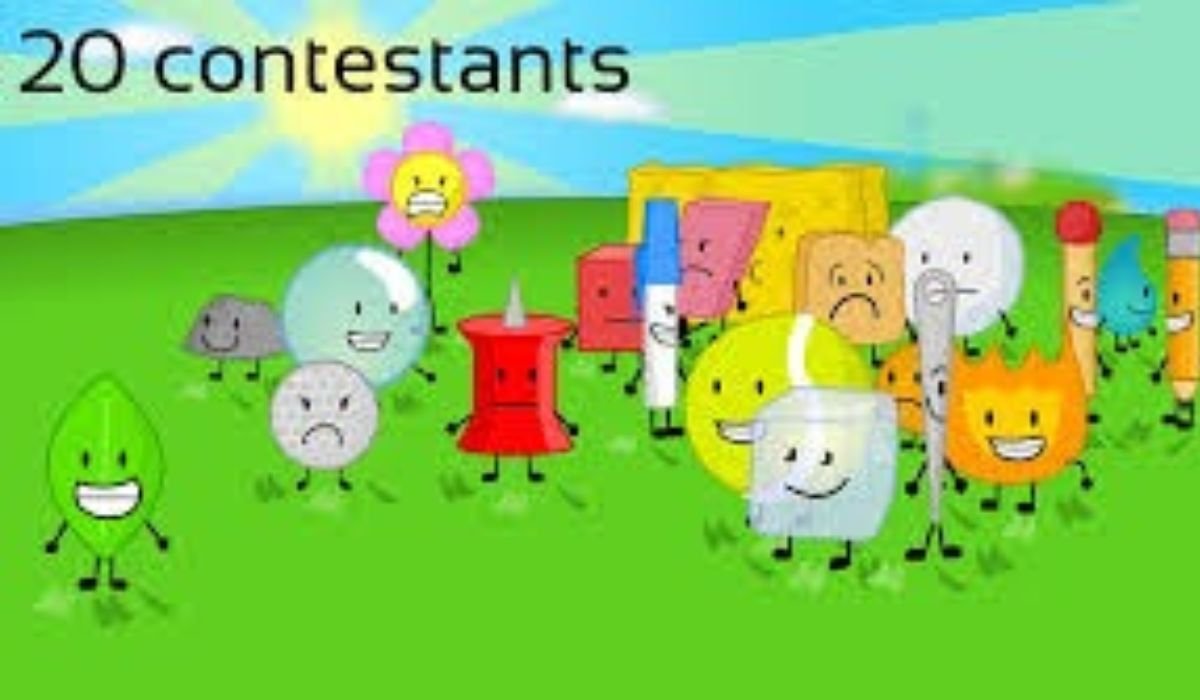
Ever wondered how a simple idea from two kids could spawn an entire genre of online entertainment? Back in 2010, while most preteens were busy with homework or video games, twin brothers Cary and Michael Huang launched something that would redefine indie animation on YouTube. That something was Battle for Dream Island, or BFDI as fans lovingly call it. What started as a quirky parody of reality TV shows, featuring everyday objects as contestants, has grown into a cultural touchstone for internet culture enthusiasts and aspiring creators alike. If you’re new to this world, or a longtime fan looking to dive deeper, stick around: we’re unpacking the history, the hype, and everything in between.
Table of Contents
- The Origins of BFDI: How Two Brothers Sparked a Phenomenon
- Breaking Down the Seasons: From BFDI to TPOT
- Iconic Characters: Who to Root For
- The Magic of Viewer Voting: How Fans Shape the Show
- BFDI’s Impact on YouTube Animation and Object Shows
- How to Watch BFDI in Order: A Step-by-Step Guide
- Where to Find BFDI Merchandise: Gear Up Like a True Fan
- FAQs
- Wrapping It Up: Why BFDI Still Matters
The Origins of BFDI: How Two Brothers Sparked a Phenomenon
Let’s rewind to the beginning. Cary and Michael Huang, born in 1997, were just 12 years old when they uploaded the first episode of Battle for Dream Island on January 1, 2010. Honestly, that’s the kind of youthful energy that makes you rethink what “prodigy” really means. Growing up in California, the twins had a knack for tinkering with Flash animation, a tool that was all the rage back then for web creators. They founded their YouTube channel, Jacknjellify, in 2008, but BFDI was the project that put them on the map.
The concept was brilliantly simple: take inanimate objects, give them arms, legs, and personalities, then toss them into a competition for a luxurious prize called Dream Island. It’s a clear nod to reality TV parodies, think Survivor meets Total Drama Island, but with pencils, bubbles, and fireballs as the stars. You might not know this, but the idea stemmed from the brothers’ playful twists on games like rock-paper-scissors, evolving into full-blown animated chaos. What hooked early viewers was the mix of humor, drama, and that interactive element where fans could vote on outcomes. Fast forward to today, and BFDI has racked up millions of views, inspiring a whole community of digital creators who see it as the blueprint for indie success.
In my experience covering SEO and online trends, series like this thrive because they tap into nostalgia while staying fresh. BFDI isn’t just animation; it’s a community builder, pulling in Gen Z and Alpha folks who grew up scrolling YouTube for hidden gems.
Breaking Down the Seasons: From BFDI to TPOT
BFDI isn’t a one-and-done deal; it’s evolved through multiple seasons, each with its own flavor. Here’s a rundown to help you navigate.
Season 1: Battle for Dream Island (BFDI)
The original run, spanning 2010 to 2012, introduced 20 contestants battling it out in monthly episodes. Challenges ranged from bridge-building to baking contests, all laced with slapstick humor and unexpected twists. Flash animation gave it that raw, charming look, and the reality TV parody shone through in eliminations and alliances. If you’re nostalgic for early YouTube vibes, this is where to start.
Season 2: Battle for Dream Island Again (BFDIA)
Picking up in 2012, BFDIA amped up the stakes with more contestants and wilder plots. It hit a hiatus after episode 5 due to the creators’ school commitments, but fans rallied, and it resumed in 2023. Well, life happens, right? The animation improved, and viewer voting became even more integral.
Season 3: IDFB (dnalsI maerD roF elttaB)
This one’s quirky: just a single episode in 2016, flipping the title backward for fun. It served as a bridge, focusing on character interactions in a post-competition world. Short but sweet, it kept the fandom buzzing.
Season 4: Battle for BFDI/BFB
Launched in 2017, this season split into BFB and TPOT due to overwhelming content ideas. BFB ran until 2021, with 64 contestants and hosts like Four and X adding meta layers. The split allowed for tighter storytelling, which, in my take, was a smart move to avoid burnout.
Season 5: The Power of Two (TPOT)
Ongoing since 2021, TPOT continues the legacy with new challenges and deeper lore. It’s where the series feels most polished, blending old-school charm with modern animation tweaks.
For a quick comparison, check this table:
| Aspect | Season 1 (BFDI) | Season 4 (BFB) |
| Release Years | 2010-2012 | 2017-2021 |
| Number of Contestants | 20 | 64 |
| Animation Style | Basic Flash | Enhanced, more fluid |
| Key Feature | Introduction of core mechanics | Host characters, split seasons |
| Episode Count | 25 | 30 (pre-split) |
| Fan Impact | Sparked object shows genre | Massive community engagement |
This evolution shows how BFDI adapted to its growing audience, balancing nostalgia with innovation.
Iconic Characters: Who to Root For
Ah, the characters: they’re what make BFDI tick. These anthropomorphic objects aren’t just props; they’ve got personalities that spark debates and fan art galore. From fan rankings, some standouts emerge.
Let’s rank the best BFDI characters based on community polls and my own binge-watching insights (spoiler: it’s subjective, but fun to argue over):
- Leafy – The optimistic leader type, always trying to keep peace. She’s divisive, though; some fans love her enthusiasm, others see her as meddlesome.
- Firey – Hot-headed (literally) and competitive. His rivalry with Coiny is legendary.
- Bubble – Sweet and fragile, her “yoylecake” catchphrase is iconic. Easy to root for.
- Teardrop – Silent but deadly in challenges. Her mystery adds intrigue.
- Golf Ball – The brainy strategist. If you’re into smart characters, she’s your pick.
- Coiny – Witty and argumentative, always ready with a slap or a quip.
- Puffball – Fluffy and flighty, brings levity.
- Tennis Ball – Loyal sidekick to Golf Ball, underrated gem.
- Woody – Shy and scared, but grows over time.
- Blocky – The prankster; chaotic energy at its finest.
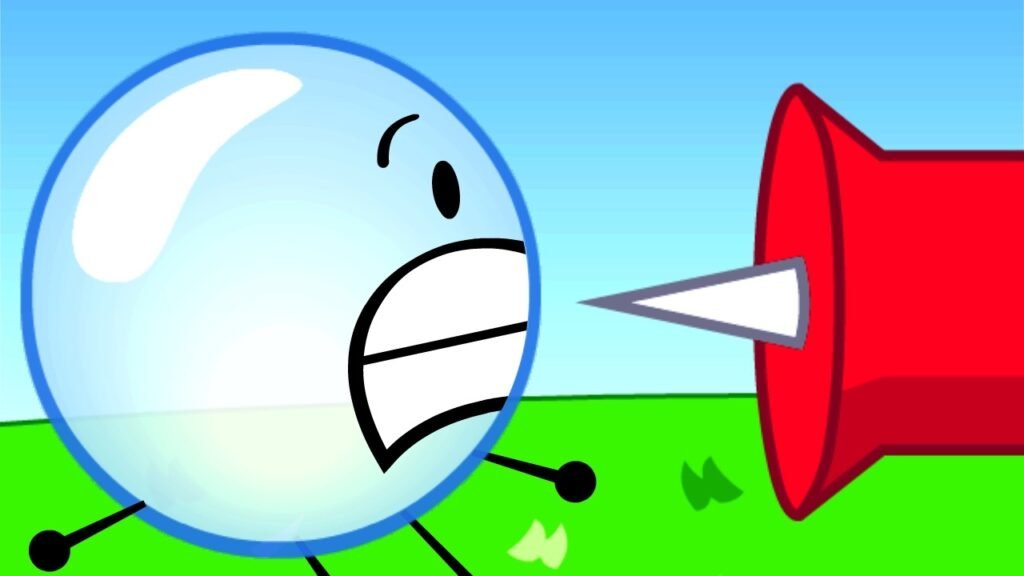
Honestly, this isn’t talked about enough, but the character designs encourage creativity for aspiring animators. Draw your own object persona; it’s how many fans start.
The Magic of Viewer Voting: How Fans Shape the Show
One of BFDI’s genius strokes is viewer voting, where fans decide who stays or goes. It works like this: after episodes, viewers cast likes for saves or dislikes for eliminations via YouTube comments or polls. In later seasons, it’s evolved to include prizes for top-voted contestants. This interactivity turns passive watchers into active participants, fostering that community vibe. Some experts disagree on whether it leads to “unfair” outcomes, but here’s my take: it mirrors real reality TV, where popularity reigns.
BFDI’s Impact on YouTube Animation and Object Shows
BFDI didn’t just entertain; it changed the game. As the pioneer of “object shows,” it inspired countless series like Inanimate Insanity and Mysterious Object Super Show. Its influence ripples into broader media, even touching elements in shows like The Amazing Digital Circus. On YouTube, it proved indie creators could build empires without big budgets, amassing over 2 million subscribers for Jacknjellify. For Gen Z creators, it’s a masterclass in engagement, blending humor with fan involvement.
Think about it: without BFDI, the landscape of web series might look very different. It’s sparked careers, fan conventions, and even academic nods to its cultural role.
How to Watch BFDI in Order: A Step-by-Step Guide
Newbie? No worries. Watch in release order for the full experience: Start with BFDI Season 1, then BFDIA (but note the hiatus episodes), IDFB, BFB (episodes 1-16), TPOT (ongoing), then BFB 17-30. All episodes are free on YouTube via Jacknjellify. Pro tip: Binge Season 1 first to grasp the basics. If you’re short on time, compilations like the full Season 1 video help.
Where to Find BFDI Merchandise: Gear Up Like a True Fan
Craving merch? Head to the official BFDI plush store at shop.jacknjellify.com for authentic plushies of Firey, Leafy, and more. Redbubble offers fan-made tees and stickers, while Amazon and Walmart stock unofficial plush toys. For apparel, check Spreadshop. Support the creators directly to avoid fakes.
FAQs
What is the history of BFDI and object shows?
BFDI kicked off in 2010 as a Flash-animated web series by the Huang brothers, parodying reality TV with object contestants. It birthed the object shows genre, inspiring dozens of similar YouTube creations.
Best BFDI characters ranked?
Top picks include Leafy for her positivity, Firey for his fire (pun intended), and Bubble for her charm. Rankings vary, but community polls often highlight these.
How to watch BFDI in order?
Release order: BFDI, BFDIA (episodes 1-5, then later ones), IDFB, BFB 1-16, TPOT, BFB 17-30. All on YouTube.
The impact of BFDI on YouTube animation?
It popularized interactive animation, boosted indie creators, and created a subgenre that’s still thriving.
BFDI Season 1 vs BFB?
Season 1 is raw and foundational with 20 contestants; BFB is expansive with 64, better animation, and a season split for focus.
How does BFDI viewer voting work?
Fans vote via likes/dislikes on YouTube to save or eliminate contestants, influencing the show’s direction.
Where to find BFDI merchandise?
Official site shop.jacknjellify.com for plushies; Redbubble for custom gear.
Wrapping It Up: Why BFDI Still Matters
From humble Flash beginnings to a 16-year legacy, BFDI has shaped indie animation like few others. It’s more than a series; it’s a launchpad for creativity, community, and that nostalgic internet magic. As it continues with TPOT, I wouldn’t be surprised if it inspires the next wave of digital storytellers. If you’re an aspiring animator, why not start your own object adventure? Dive in, vote, and join the fun. What’s your favorite character?
 Admin
Admin