

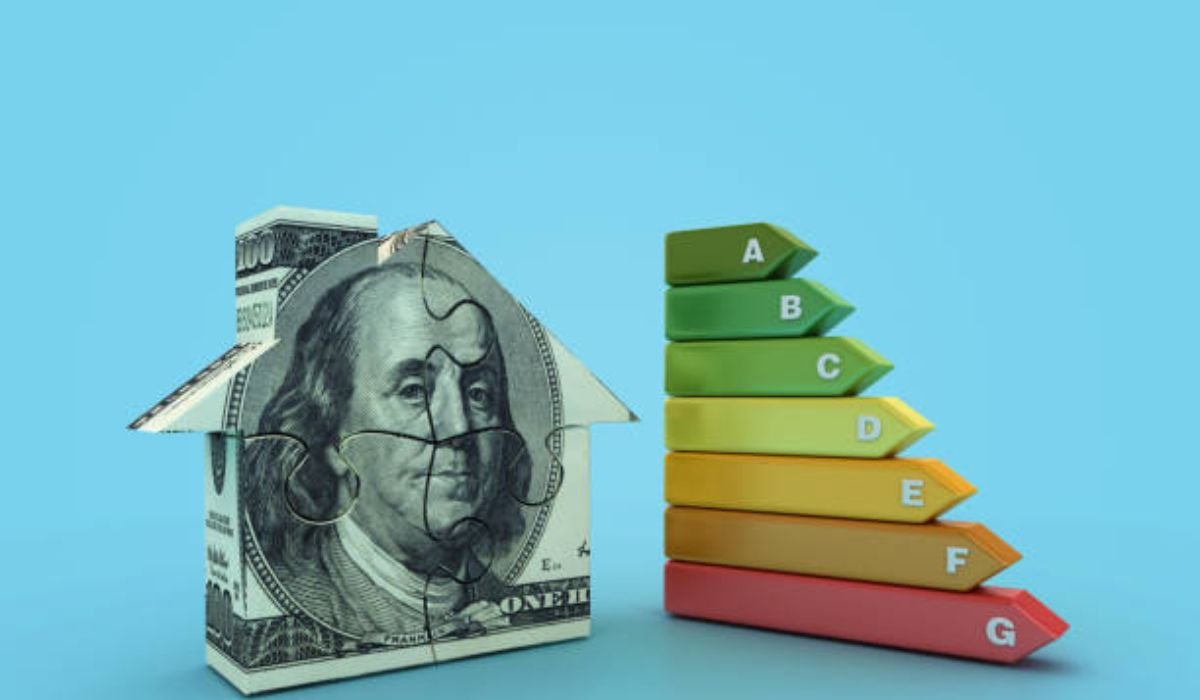
Imagine watching your monthly utility bills plummet while your home’s market value climbs— all because you chose sustainable upgrades. For many homeowners, this isn’t just a dream; it’s the reality of investing in green homes. But do these eco-friendly choices truly deliver on their promise? In this article, we’ll dive into the world of green homes and energy efficiency premiums, exploring whether they offer real financial payoffs. Drawing on recent studies and market data, we’ll bridge environmental idealism with hard numbers, helping homeowners renovating for ROI, prospective buyers seeking sustainability, real estate agents marketing high-performance listings, and property developers weigh the benefits. From resale boosts to cost savings, we’ll uncover actionable insights on features that drive the highest market premiums, like LEED certification and Energy Star rating, while addressing nuances like upfront costs and regional variations.
What Defines a Green Home?
A green home isn’t just about planting a few trees—it’s a high-performance building designed to minimize environmental impact while maximizing efficiency. At its core, it focuses on reducing energy use, water consumption, and waste through smart design and materials.
Think of it as a home that works smarter, not harder. Features like superior insulation, efficient windows, and renewable energy sources help slash your carbon footprint reduction without sacrificing comfort. According to the EPA, these homes can use up to 30% less energy than standard builds (link to EPA on green building).
But why does this matter financially? Green homes align with sustainable real estate trends, where buyers increasingly prioritize long-term savings over short-term aesthetics.
Key Elements of Green Design
- Energy Efficiency: Core to any green home, this includes optimized HVAC systems and appliances.
- Sustainable Materials: Recycled or low-impact options that endure longer.
- Water Conservation: Low-flow fixtures and rainwater harvesting.
These elements not only appeal to eco-conscious buyers but also contribute to home resale value by lowering operating costs.
Understanding Energy Efficiency Premiums
Ever wondered, “Are green homes and energy efficiency premiums worth it?” The short answer: Often, yes—but let’s unpack the data.
Energy efficiency premiums refer to the extra value buyers place on homes that cost less to run and maintain. Studies show these homes can command 2-8% higher sale prices in most markets. For a $400,000 home, that’s a potential $8,000-$32,000 boost.
A Freddie Mac analysis of rated energy-efficient homes found an average 2.7% premium, with top-rated ones hitting 3-5% more than lower-rated counterparts. In specific areas like Austin, TX, Energy Star homes sold for 6% more from 2009-2016.
Why the premium? Buyers factor in lower utility bills—averaging $136 monthly nationwide, with heating/cooling eating 43% of that. Green features turn potential expenses into savings.
Market Trends and Buyer Demand
Demand is rising: 72% of real estate pros say utility costs are a top client priority, yet only 58% highlight efficiency in listings. As awareness grows, so do premiums—especially in eco-focused regions like California or the Pacific Northwest.
The Financial Benefits: Resale Value and ROI
Let’s get to the numbers: Do these premiums really pay off?
Homes with green upgrades often see tangible ROI. For instance, energy-efficient rated homes sell for 2.7% more on average, with better ratings adding up to 5%. Solar-equipped properties? They fetch 6.9% more, adding about $25,000 to the average sale.
Annual savings amplify this: HERS-rated homes save $1,100 yearly on energy compared to code-minimum builds. Over 10 years, that’s $11,000—often exceeding renovation costs.
But ROI varies: A 2025 report notes home improvements like efficient HVAC recoup 60-80% at resale. Green rehabs can boost NOI via lower utilities and small rent premiums.
Table: Average ROI for Common Green Upgrades
| Feature | Upfront Cost (Avg.) | Annual Savings | Payback Period | Resale Premium |
| Solar Panels | $15,000-$25,000 | $1,000-$2,000 | 7-10 years | 4-7% |
| Energy-Efficient Windows | $5,000-$10,000 | $200-$500 | 5-8 years | 2-4% |
| HVAC Upgrades | $4,000-$8,000 | $300-$600 | 6-10 years | 3-5% |
| Insulation | $2,000-$5,000 | $150-$400 | 4-7 years | 1-3% |
| Smart Thermostats | $200-$500 | $100-$200 | 1-3 years | 1-2% |
(Data compiled from multiple sources; actuals vary by location.)
READ ALSO: How to Stage Your Home for a Quick Sale
Key Green Home Features Buyers Want Most
What drives those premiums? Buyers crave features that blend savings with sustainability.
Top picks include solar panels, which not only enable net-zero housing but add 4.1% to value on average—equating to $9,274 extra. Next: HVAC efficiency upgrades, cutting energy use by 10-30%.
Smart home technology like programmable thermostats saves 10% on bills and appeals to tech-savvy buyers. Insulation and efficient appliances round out the list, with low-flow fixtures for water savings.
Prioritizing Features for Maximum Impact
- For Homeowners: Focus on “how to increase home value with energy efficiency” by starting small—LED lights cut use by 75%.
- For Buyers: Seek homes with these for lower costs long-term.
Real-world example: A California study found certified homes with these features sold 2.1% higher.
Certifications: LEED, Energy Star, and Their Premiums
Certifications validate claims and boost appeal.
LEED certification (Leadership in Energy and Environmental Design) can yield 11% higher rents in commercial spaces, with residential multi-family seeing up to 19.7% premiums in some markets. Average premium for LEED homes? Around 11% per studies.
Energy Star rating offers 2-5% sale premiums, with Maryland homes at 2-5% from 2012-2015. These labels signal reliability, often qualifying for incentives.
Costs: LEED runs $5,000 on average, but ROI through value and savings makes it worthwhile.
Table: Certification Premiums Comparison
| Certification | Average Premium | Key Benefits |
| LEED | 9-11% | Higher rents, eco-credibility |
| Energy Star | 2-6% | Energy savings, rebates |
| HERS | 0.5% per point | Detailed efficiency score |
(Link to internal: Understanding Home Certifications)
Nuances: When Green Doesn’t Always Pay Off
Not every green upgrade guarantees premiums. Upfront costs can be high—solar at $25,000—and payback depends on location. In less eco-aware markets, returns dip below 2%.
Market variations: Urban areas like DC see stronger LEED impacts, while rural spots lag. Plus, maintenance for smart home technology adds nuance.
Common pitfalls: Over-investing without audits or ignoring incentives like tax credits.
The Impact of Energy Audits on Home Sales
Wondering about “the impact of energy audits on home sales”? They reveal inefficiencies, leading to targeted fixes.
Audits can cut electricity use by 4.7%, per case studies, and boost appeal—homes with scores sell faster. In areas requiring them, like Austin, no disruption to sales, but added value.
Pro tip: Free audits exist, but paid ones ($300-$500) offer deeper insights, recouped in months via 5-30% savings.
Energy-Efficient Mortgages and Financing Options
Energy-efficient mortgages (EEMs) let you borrow more for upgrades, rolling costs into your loan. Benefits: Lower rates, higher home values, and utility savings.
Fannie Mae’s HomeStyle Energy supports efficiency, reducing bills while increasing comfort. Ideal for buyers eyeing net-zero housing.
Actionable Insights: Selling a High-Performance Home for More
For homeowners: Conduct an audit, then upgrade high-ROI features like insulation (recoups 78% at sale).
Buyers: Ask about certifications—look for green home features buyers want most, like solar.
Agents: Highlight efficiencies in listings; 58% say it adds value. (Link to Marketing Sustainable Homes)
Developers: Incorporate HVAC efficiency early for premiums.
Case study: A Windermere report notes green tech pays via 2-8% premiums.
In conclusion, green homes and energy efficiency premiums do pay off for many, blending savings with value boosts. While nuances exist, the data leans toward yes—especially with smart choices. Ready to go green? Start with a professional energy audit or consult a real estate expert for tailored advice on your property.
YOU MAY ALSO LIKE: Real Estate Market Trends in 2026: What Buyers, Sellers, and Investors Should Expect
 Admin
Admin