


Did you know that only 54% of adults in the United States meet recommended physical activity levels, often because our built environment discourages movement? In bustling cities, where cars dominate and sidewalks vanish, sedentary behavior creeps in, fueling chronic diseases like obesity and diabetes. But imagine reshaping urban spaces to make walking, biking, and playing the norm. This guide on planning for public health and active lifestyles simplifies complex urban theories into practical steps. Whether you’re an urban planner, policymaker, or community advocate, you’ll discover how to integrate health-centric design into modern urban development. We’ll explore strategies for walkability, green spaces, and health equity, drawing on real-world examples to inspire actionable change in your community.
Understanding the Built Environment’s Impact on Public Health
The built environment—everything from streets to parks—shapes how we live and move every day. Think about it: Does your neighborhood invite a stroll to the store, or does it force you into a car? Research shows that poorly designed urban areas contribute to low physical activity, leading to poorer health outcomes. For instance, areas with limited sidewalks or safe crossings see higher rates of inactivity, especially among vulnerable groups.
How Urban Design Influences Sedentary Behavior
Sedentary behavior isn’t just about lazy habits; it’s often baked into city layouts. Sprawling suburbs with long commutes mean more time sitting in traffic, while dense cities without recreational spaces trap residents indoors. A study found that neighborhoods with better access to parks and trails boost daily steps by up to 20%. Why does this matter? Chronic inactivity links directly to heart disease and mental health issues, costing communities billions in healthcare.
The Role of Urban Planners in Chronic Disease Prevention
Urban planners hold the key to prevention. By prioritizing health in designs, they can curb diseases before they start. For example, integrating public health goals into zoning can reduce obesity rates by encouraging active transportation like biking. It’s not rocket science—simple tweaks like adding bike lanes can transform a community’s wellness trajectory.
Key Strategies for Health-Centric Urban Design
Shifting to health-focused planning requires bold, practical steps. Let’s break down proven strategies that turn theories into thriving communities.
Enhancing Walkability for Everyday Activity
Walkability is the cornerstone of active lifestyles. What makes a street walkable? Wide sidewalks, crosswalks, and nearby amenities. Cities can start by auditing neighborhoods for barriers, then invest in fixes like shaded paths to combat heat. Imagine residents ditching cars for foot travel—studies show this cuts sedentary time and boosts mental health.
Walkable Neighborhoods Help Adults Socialize, Increase Community
Promoting Active Transportation Options
Active transportation—walking, cycling, or public transit—gets people moving without gyms. To promote it, planners should build connected networks of bike lanes and bus routes. Avoid pitfalls like isolated paths that feel unsafe; instead, light them well and integrate with shops. A forward-thinking approach: Use apps to map routes, making it easier for all ages.
Incorporating Mixed-Use Development
Mixed-use development blends homes, offices, and stores in one area, reducing the need for long drives. This fosters spontaneous activity, like popping to a cafe on foot. Best practices include zoning that allows vertical mixing—apartments above retail. Real-world bonus: It enhances community wellness by building social ties.
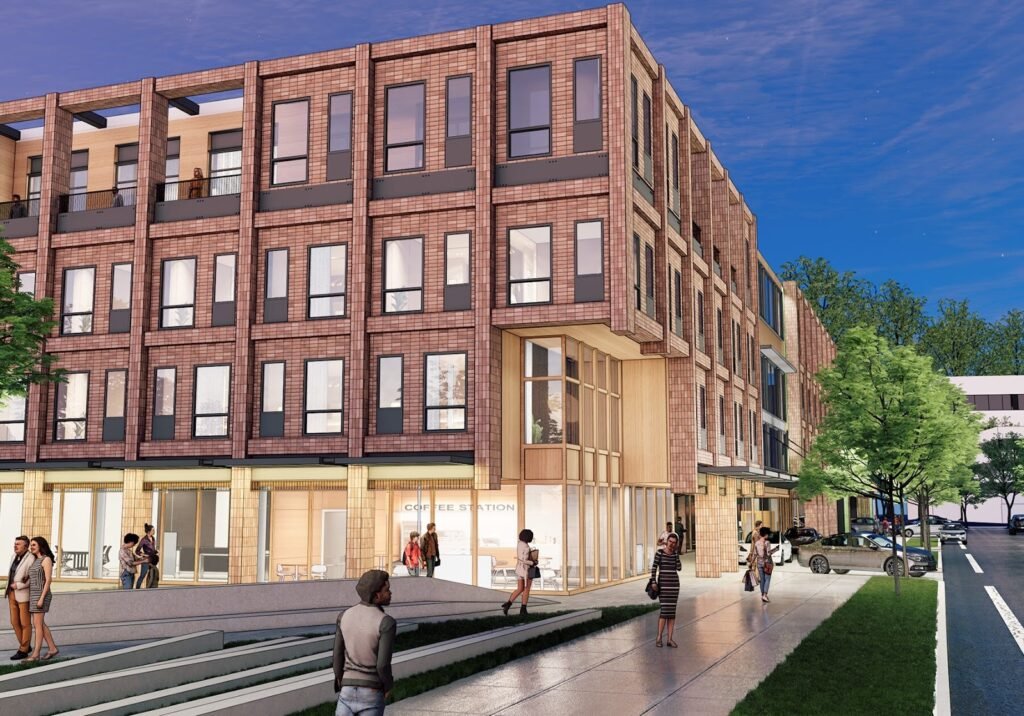
What Is Mixed Use Development? | Mojo Stumer
Creating Green Spaces for Community Wellness
Green spaces aren’t just pretty; they’re health powerhouses. Parks lower stress, encourage play, and clean air. Planners should aim for equitable access—every resident within a 10-minute walk. Think pocket parks in dense areas or urban forests. Pitfall to avoid: Neglecting maintenance, which deters use.
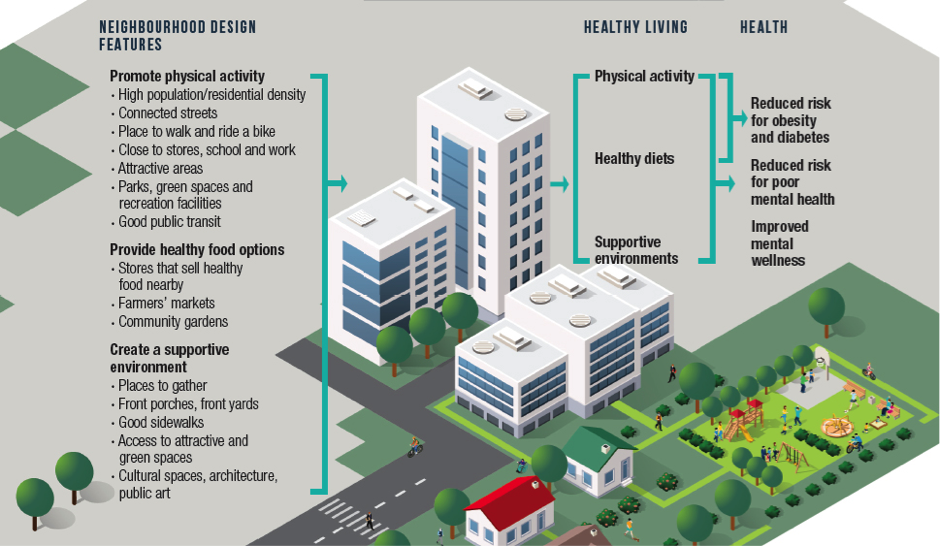
Sanity and Urbanity: Centre for Urban Design and Mental Health …
Policy Frameworks for Active Lifestyle Planning
Policies turn ideas into reality. Here’s how to craft frameworks that prioritize health.
Zoning Reform for Health Equity
Zoning reform is essential for health equity. Outdated codes often segregate uses, promoting car dependency. Reform by allowing mixed-use development in all zones and eliminating minimum parking requirements. Recent updates, like those in 2023, emphasize equity by mandating inclusive planning. Step-by-step: Assess current codes, engage communities, then amend for health impacts.
Integrating Public Health into Urban Design
Integration means embedding health in every plan. Use tools like health impact assessments before approving projects. Collaborate across sectors—planners with health pros. Post-COVID shifts highlight this: More cities now focus on outdoor spaces for resilience.
For deeper insights, check our guide on sustainable urbanism or visit the CDC’s resources on built environment assessment.
Best Practices and Real-World Examples
Learning from successes accelerates progress. These best practices for planning for public health and active lifestyles offer blueprints.
Case Studies: Cities Leading the Way
New York City’s Active Design Guidelines promote stairs and bike storage in buildings, boosting activity levels. In Copenhagen, extensive cycling infrastructure makes 62% of commutes by bike, slashing obesity. Closer home, Portland’s zoning reforms created walkable neighborhoods, improving health equity. Anonymized case: A midwestern city revamped parks, seeing a 15% drop in sedentary reports after community input.
Another gem: Bogotá’s Ciclovía program closes streets for biking weekly, inspiring global copies. These examples show how urban design impact on public health outcomes can be profound with commitment.
Explore more on how cities are planning for public health and active lifestyles.
Overcoming Challenges in Implementation
No plan is without hurdles. Funding shortages? Seek grants from organizations like the WHO’s Urban Health Initiative. Resistance from stakeholders? Use data on cost savings from healthier populations to persuade.
Equity gaps persist in low-income areas—address by prioritizing health equity in budgets. Climate change adds urgency; design resilient spaces that adapt. Forward-thinking tip: Pilot small projects to build momentum.
In conclusion, planning for public health and active lifestyles transforms cities into vibrant, healthy hubs. Key takeaways: Prioritize walkability, green spaces, and equitable policies to combat sedentary behavior and promote community wellness. Start today—assess your local plans, collaborate with experts, and advocate for change. For tailored advice, consult urban health specialists or join networks like the Urban Land Institute. Your actions can prevent diseases and build sustainable futures.
YOU MAY ALSO LIKE: Transit-Oriented Development (TOD) Explained
 Arthur