

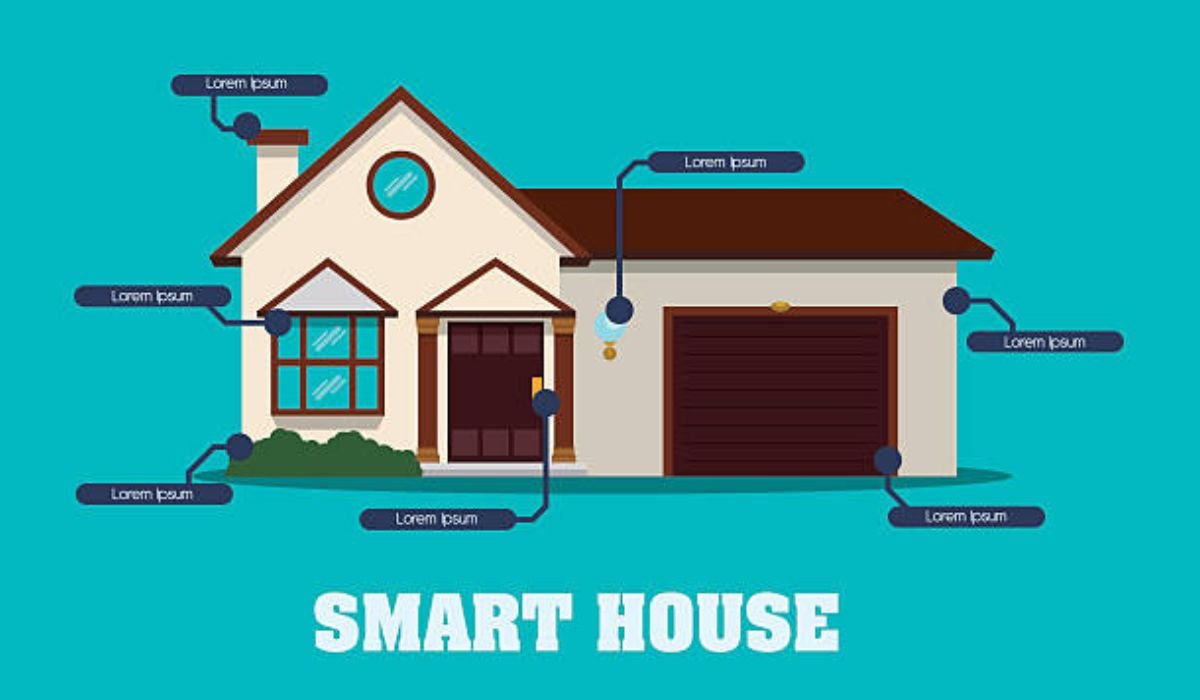
Picture this: you’re lounging on the couch, and with a quick voice command, the lights soften, the thermostat adjusts, and your favorite playlist kicks in. That’s the magic of smart home technology—a network of connected devices that automate everyday tasks. At its core, it’s about home automation, where gadgets like thermostats, lights, and locks talk to each other via Wi-Fi or hubs like Amazon Echo or Google Nest.
But here’s a nugget you might not know: not all upgrades are created equal. Basic ones focus on single rooms, while full smart home integration ties everything together for seamless control. Think of it like upgrading from a flip phone to a smartphone—sudden efficiency boost. And in 2025, with AI getting smarter, these systems learn your habits, predicting needs before you even ask.
The Evolution of Smart Home Tech
Back in the day, smart homes felt like sci-fi. Fast-forward to now, and they’re mainstream, thanks to affordable devices and standards like Matter for better compatibility. A recent report from Precedence Research highlights how smart security systems are booming, growing at a compound annual rate that outpaces other tech. This shift? It’s driven by our love for convenience and the push for energy savings—more on that later.
How Smart Home Technology Boosts Property Value
Let’s get real: does smart home technology increase home value? The short answer? Yeah, it often does—but with caveats. Studies show homes with integrated tech can fetch 3-5% more, translating to hefty gains. For a $500,000 property, that’s $15,000–$25,000 extra in your pocket, per Consumer Reports data. Why? Buyers see it as a premium feature, like granite counters or a finished basement.
In my experience chatting with realtors, increasing home resale value hinges on appeal. Tech-savvy millennials and Gen Z, who make up a big chunk of the market, prioritize modern home features. A NAR survey found that smart additions could hike resale by up to 5%. But here’s the twist: over-customized setups might scare off older buyers. Balance is key—focus on universals that scream efficiency.
And don’t overlook the intangibles. Smart home devices cut energy bills by 10-30%, making your place more attractive in eco-conscious markets. Plus, in cities like Los Angeles or New York, smart homes average over $1.2 million in value versus $660,000 for non-smart ones, according to CEPro insights. Some experts disagree on exact figures, but the trend is clear: tech equals desirability.
Top Smart Home Upgrades for Maximum ROI
If you’re eyeing best smart home upgrades for resale, start with high-impact, low-fuss options. These aren’t just gadgets; they’re investments with solid smart home ROI for sellers. Let’s break it down by category, with real-world picks and costs.
Smart Security Systems: Peace of Mind Pays Off
Nothing says “buy me” like safety. Smart security systems top the list, with features like remote monitoring and AI alerts. The Ring Alarm Kit, at around $300 for an eight-piece setup, includes cameras and sensors that integrate seamlessly. Benefits? Faster sales—homes with tech sell quicker, per Realty Times.
Installation’s a breeze for DIYers, but pros charge $500–$1,000 for wired systems. ROI? Up to 5% value bump, plus insurance perks (we’ll cover that). Pro tip: Pair with an Arlo Video Doorbell ($150-ish) for that head-to-toe view. Buyers love it for deterring porch pirates.
Energy-Efficient Smart Thermostats
Energy-efficient upgrades are gold in 2025’s green wave. The Nest Learning Thermostat (around $250) learns your schedule, slashing bills by 10%. How do smart thermostats affect home appraisal? Appraisers note them as efficiency boosters, potentially adding 1-2% to value.
Cost breakdown: $70–$280 per unit, with pro install at $100–$200. For sellers, it’s a no-brainer—buyers want homes that save money from day one. Imagine telling prospects: “This setup paid for itself in under two years.” That’s the kind of story that seals deals.
Smart Lighting and Automation
Dim the drama with smart lighting. GE Cync bulbs ($50–$150) offer 16 million colors and voice control via Alexa or Google. Why resale magic? It modernizes spaces without major renos, appealing to lifestyle buyers.
For broader home improvement, add TP-Link smart plugs ($10–$40) to automate appliances. Total for a mid-level setup? $5,000–$15,000, but ROI shines through faster sales and energy savings up to 30%.
Other Must-Have Gadgets
- Smart Locks: Yale Assure Lock 2 ($200–$300) with app access—boosts security without keys.
- Leak Detectors: Eufy sensors ($50) prevent water damage, a hidden ROI hero.
- Whole-Home Wi-Fi: Essential for integration, costing $300–$900.
In 2025, smart home features that buyers want include AI personalization and climate automation, per Vivint’s trends. These aren’t fads; they’re expectations.
Comparison Table: Top Smart Devices and Their ROI
| Device | Category | Average Cost | Estimated ROI | Key Benefit |
| Ring Alarm Kit | Security | $300 | 3-5% value increase | Comprehensive monitoring, insurance discounts |
| Nest Thermostat | Energy | $250 | 1-2% + bill savings | Auto-adjusts for efficiency |
| GE Cync Bulb | Lighting | $50-150 | 1% + appeal | Customizable ambiance |
| Yale Smart Lock | Security | $200-300 | 2% | Keyless entry, remote control |
| Eufy Leak Sensor | Safety | $50 | Preventive savings | Detects issues early |
This table? It’s based on 2025 pricing from sources like CNET and HomeGuide—real numbers, not guesses.
READ ALSO: 10 Genius Budget-Friendly Kitchen Remodel Ideas for a High-End Look
Calculating the ROI of Your Smart Investments
Crunching smart home ROI isn’t rocket science, but it takes homework. Start with costs: Basic setups run $2,000–$5,000, per HomeGuide. Factor in savings—energy-efficient smart home upgrades can trim $200–$500 yearly on utilities.
For sellers, the math: If a $1,000 thermostat adds $5,000 in value (via appeal), that’s 400% return. But wait—subtract install and any subscriptions ($5–$50/month). Tools like SmartRent’s metrics show multifamily properties see quick paybacks, but single homes vary by location.
A tangent: I once advised a client on a flip—they added $3,000 in tech and sold for $20,000 over asking. The secret? Highlighting top-rated smart home gadgets in listings. Some say ROI’s overhyped, but data from Brilliant Tech backs it: Builders report boosted values.
Energy Savings and Sustainability in 2025
With energy costs climbing, energy-efficient upgrades are non-negotiable. Smart systems cut consumption by 30%, per Vivint. Think predictive thermostats or solar-integrated hubs.
Buyers dig this—62% would pay the same or more for smart-equipped homes, AHS survey says. Link to EPA’s stormwater tips for eco-angle: EPA on Energy Efficiency. Internal nod: Check our guide on Yard Grading for Drainage.
What Home Buyers Crave in 2025 Smart Features
Smart home features that buyers want in 2025? Unified ecosystems and privacy-first tech, says Fiber Broadband Association. Health monitors and AR for virtual tours are rising too.
Raleigh Realty notes: Homes with automation sell faster at higher prices. Focus on adding value to your home with smart technology that’s scalable—buyers hate outdated setups.
DIY vs. Pro Installation: Cost-Effective Tips
Cost-effective smart home improvements often start DIY. Plugs and bulbs? Easy weekend wins. But for wiring, call pros—$500–$2,000 avoids pitfalls like compatibility issues.
Common mistakes: Ignoring hubs or skimping on security. Pro tip from contractors: Test integrations first. Shop at Home Depot or Amazon for deals.
Pros and Cons of Going Smart
Pros:
- Higher property value and quicker sales.
- Savings on bills and insurance.
- Enhanced lifestyle with automation.
Cons:
- Upfront costs.
- Privacy risks if not secured.
- Potential obsolescence.
Weigh them—most find pros outweigh.
FAQ
Does smart home technology increase home value?
Yes, often by 3-5%, depending on the market and features. Integrated systems like security and thermostats appeal most to buyers, per NAR data.
What are the best smart home upgrades for resale?
Prioritize smart thermostats, security cameras, and lighting. These offer quick ROI through efficiency and safety, making homes stand out.
How do smart thermostats affect home appraisal?
They can boost appraisals by highlighting energy savings, potentially adding 1-2% to value as appraisers view them as modern upgrades.
What smart home ROI can sellers expect?
Expect 100-400% on select devices, from bill savings and value hikes. Full setups might see 3-5% overall property boost.
Do smart security systems qualify for insurance discounts?
Absolutely—2-15% off premiums, with monitored systems like ADT offering more. Check with providers like Allstate or State Farm.
What are top smart home trends in 2025?
AI personalization, climate automation, and privacy tech lead, per Vivint. These make homes more appealing and efficient.
Are smart home upgrades worth it for buyers?
For energy-efficient smart home upgrades for buyers, yes—they cut costs long-term and add convenience, often paying off in 1-3 years.
Wrapping up, smart home upgrades are a smart bet for boosting property value in 2025, blending convenience with solid returns. But here’s my take: Don’t chase every trend—pick what fits your lifestyle and market. Some gadgets fizz out, but timeless ones like security pay dividends. Ready to amp up your home? Chat with a local integrator or realtor for tailored advice. What’s one upgrade you’re eyeing?
YOU MAY ALSO LIKE: Types of Flooring Materials: A Complete Guide for 2026
 Arthur