

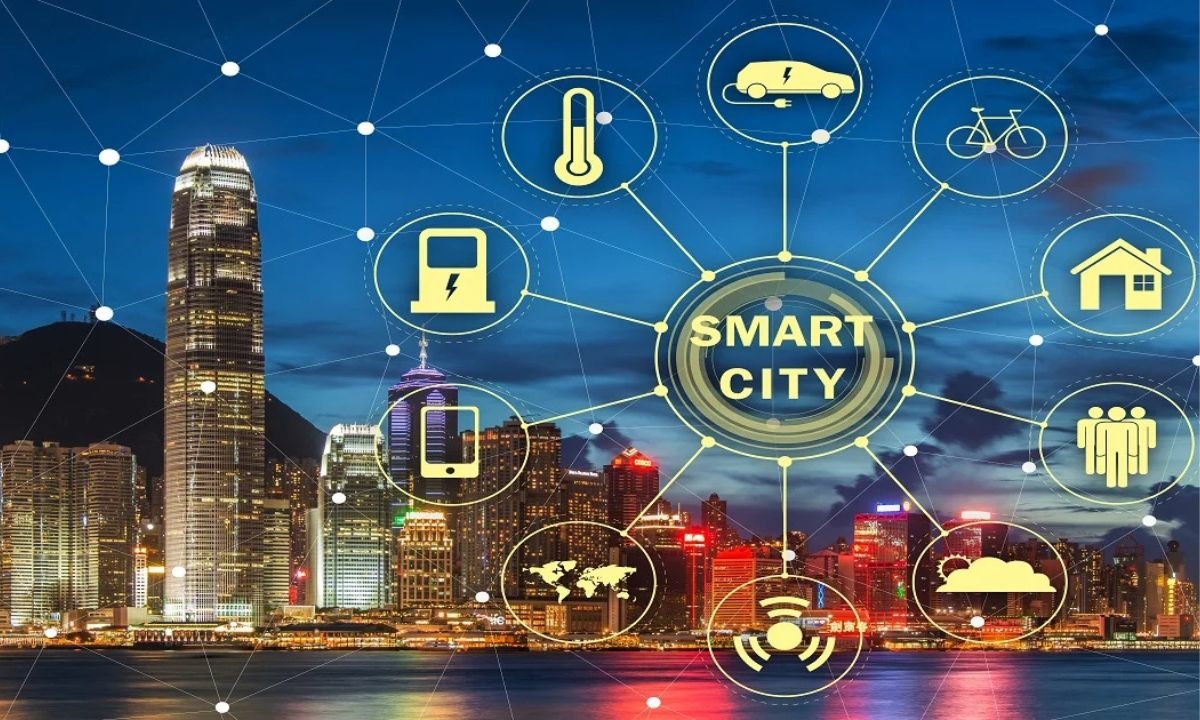
By 2050, it is projected that nearly 70% of the world’s population will live in urban areas. This unprecedented rate of urbanization presents immense challenges—from congestion and pollution to strained resources and social inequity. In response, cities are no longer just expanding; they are evolving. The concept of the smart city has shifted from a futuristic ideal to an urgent operational necessity. But what defines the next chapter of this evolution? Moving beyond isolated pilot projects, the future of smart cities lies in the seamless, ethical, and human-centric integration of digital technologies into the very fabric of urban life. This article explores the key trends, enabling technologies, and critical challenges that will shape the future of smart cities: trends & technologies, providing a roadmap for urban planners, policymakers, and technology leaders.
Understanding the Concept of Smart Cities
What Makes a City “Smart”?
A smart city is not merely a city with digital add-ons. At its core, it is an urban ecosystem that leverages technology, data, and connectivity to enhance the efficiency of services, improve sustainability, and elevate the quality of life for its citizens. The intelligence stems from the interconnectedness of systems—where data from traffic lights, energy grids, waste management, and public safety sensors flows into a centralized or federated platform. This enables data-driven urban planning and proactive management, transforming reactive city administration into predictive and adaptive urban stewardship.
Evolution of Smart Cities Over Time
The journey began with basic digitization of records and services (e.g., online permit applications). It progressed to the deployment of siloed smart city infrastructure like intelligent traffic systems. Today, we are witnessing a paradigm shift toward holistic, citizen-centric smart ecosystems. The focus is on outcomes—sustainability, resilience, equity, and well-being—rather than on technology for its own sake. This evolution underscores the four essential pillars of a mature smart city: technology, governance, people, and environment, all requiring interoperability and scalable design from the outset.
Key Technology Trends Shaping the Future of Smart Cities
The convergence of several advanced technologies is acting as the central nervous system for next-generation urban centers.
Internet of Things (IoT) and Connected Infrastructure
The proliferation of IoT in smart cities is creating a dense network of smart sensors and actuators embedded throughout the urban landscape. These devices monitor everything from air quality and bridge vibrations to water pipe pressure and bin fill levels. This enables real-time monitoring and predictive maintenance, preventing failures before they occur. For instance, a network of acoustic sensors can pinpoint the exact location of a water leak, saving millions of gallons and avoiding disruptive repairs.
Artificial Intelligence and Data-Driven Decision Making
AI-driven city management is the brain that makes sense of the massive data streams from IoT devices. Machine learning algorithms analyze patterns to optimize complex systems in real time. Applications include:
- Intelligent Transportation Systems: AI dynamically adjusts traffic light sequences to ease congestion and prioritizes emergency vehicles.
- Public Safety: Predictive analytics can guide police patrols based on historical and real-time data, while computer vision can assist in monitoring public spaces for anomalies.
- Energy Management: AI optimizes the load on smart grids, integrating renewable sources and managing demand to reduce costs and carbon footprint.
5G, Cloud, and Edge Computing
The rollout of 5G networks provides the high-speed, low-latency, high-capacity backbone necessary for real-time applications like autonomous vehicles and remote surgery. This connectivity is complemented by a hybrid cloud and edge computing architecture. While the cloud offers vast storage and processing power for big data analytics, edge computing processes data locally (e.g., at a traffic camera or gateway). This decentralization is critical for applications requiring instantaneous response, such as pedestrian detection for autonomous cars, and enhances overall system resilience.
Key Consideration: This hyper-connectivity amplifies the need for robust cybersecurity and transparent data privacy frameworks. Trust is the foundation of a successful smart city.
Sustainability and Quality of Life in Future Smart Cities
The ultimate promise of smart cities is a more sustainable and livable urban environment.
Smart Energy and Environmental Management
Sustainable urban development is being supercharged by technology. Smart grids with two-way communication enable efficient distribution and allow buildings with solar panels to sell excess energy back. Intelligent building management systems automatically adjust heating, cooling, and lighting based on occupancy and weather. Furthermore, smart waste management uses sensor-equipped bins to optimize collection routes, reducing fuel use, while advanced water systems detect leaks and monitor quality in real time, conserving a vital resource.
Smart Mobility and Transportation Systems
The future of urban mobility is integrated, electric, and automated. Smart mobility solutions encompass:
- Mobility-as-a-Service (MaaS): Digital platforms that integrate public transit, ride-sharing, bike-sharing, and scooter rentals into a single, on-demand service.
- Autonomous Vehicles (AVs): When deployed within a smart infrastructure (smart traffic lights, V2X communication), AVs promise to improve traffic flow and reduce accidents.
- Electrification: Integrated EV charging networks, often linked to renewable energy sources, are essential for reducing urban emissions.
These innovations aim to reduce congestion and pollution while improving accessibility and equity in transportation.
Governance, Policy, and Social Challenges
Technology alone cannot build a smart city; it requires enlightened governance and inclusive policies.
Digital Governance and Citizen Participation
Future cities will rely on digital governance platforms that increase transparency and enable direct citizen participation. These platforms can facilitate everything from reporting potholes via a city app to crowdsourcing ideas for park designs and tracking municipal budget spending in real time. This shifts the model from a top-down administration to a collaborative partnership, fostering greater civic engagement and trust.
Challenges in Implementation
The path to becoming a future-ready city is fraught with hurdles:
- Infrastructure Cost and ROI: The upfront investment is significant. Cities must develop innovative financing models and public-private partnerships (PPPs).
- The Digital Divide: There is a real risk that smart cities could exacerbate inequality. Bridging the gap requires ensuring affordable, universal broadband access and designing inclusive digital services.
- Interoperability and Legacy Systems: Integrating new technologies with decades-old infrastructure and ensuring different vendors’ systems can communicate is a major technical challenge.
- Data Privacy, Ethics, and Sovereignty: Establishing clear policies on who owns data, how it is used, and protecting citizens from surveillance overreach is paramount.
The Road Ahead for Smart Cities
Future Vision and Global Adoption
The future of smart cities and emerging technologies will not look the same in Dubai, Singapore, Copenhagen, or Nairobi. While developed regions may focus on refining autonomy and AI, developing countries might leapfrog to mobile-first solutions for payments, governance, and service delivery. The successful model is not a copy-paste but a customization based on local needs, cultural contexts, and specific challenges, whether that’s flood resilience or informal settlement integration.
Preparing Cities for Long-Term Success
To prepare, city leaders must:
- Develop a Clear, Phased Strategic Plan: Align technology investments with overarching civic goals for sustainability, equity, and economic growth.
- Build Regulatory Sandboxes: Create safe spaces to test new technologies and business models without outdated regulations hindering innovation.
- Upskill the Workforce: Invest in training for municipal staff and create pathways for citizens to develop relevant digital skills.
- Prioritize Resilience and Security: Design systems that are not only efficient but also robust against climate shocks and cyber-attacks.
- Foster Ecosystem Collaboration: Encourage collaboration between government, technology providers, academia, and citizens.
Conclusion
The future of smart cities is being written today at the intersection of technological convergence and human-centric design. Trends like pervasive IoT, transformative AI, and ultra-fast 5G are merging to create urban environments that are more responsive, sustainable, and livable. However, the true measure of success will not be in the sophistication of the technology, but in its ability to address pressing urban challenges—from climate change to social inclusion—while empowering citizens. For urban planners, city administrators, and policymakers, the imperative is clear: adopt a proactive, strategic, and collaborative approach. By prioritizing interoperable infrastructure, robust governance frameworks, and inclusive policies, cities can navigate the complexities of digital transformation and build resilient, thriving communities for generations to come. The journey requires continuous learning, adaptation, and a steadfast commitment to the public good. The smart city of the future is not just a place of advanced technology; it is a place of enhanced humanity.
 Arthur