

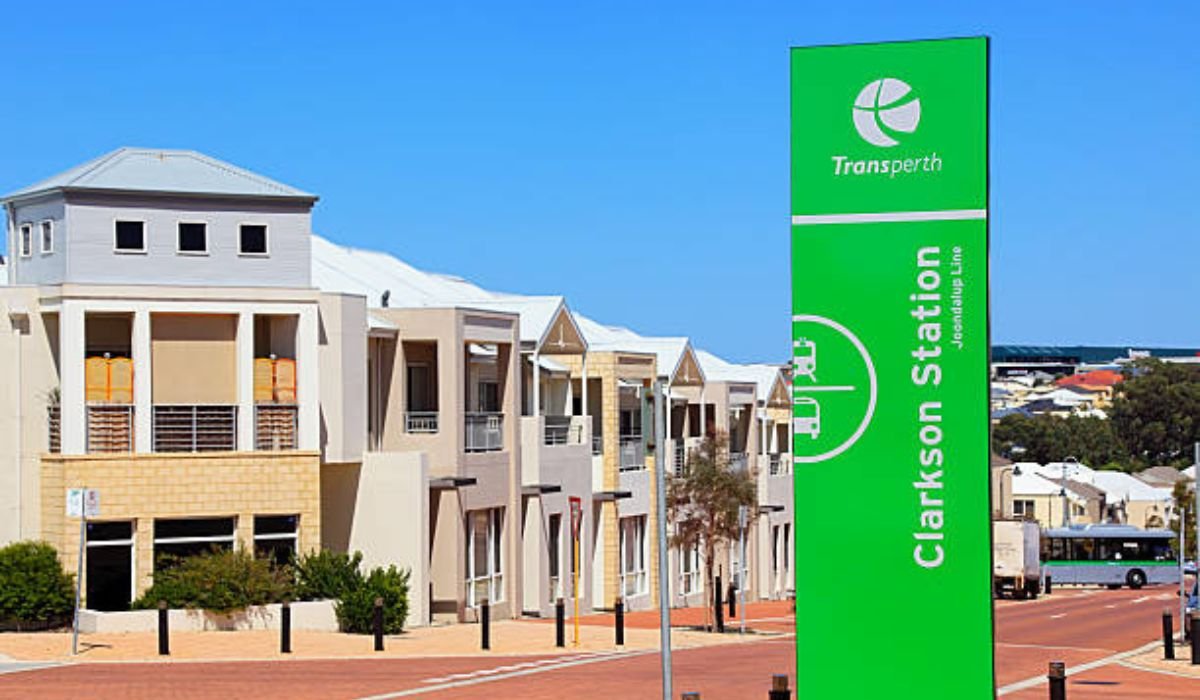
Imagine your city. Now, picture it with shorter commutes, cleaner air, vibrant public plazas filled with people, and a wider range of housing options close to shops and jobs. This isn’t a utopian fantasy; it’s the tangible outcome of a powerful urban planning strategy called Transit-Oriented Development (TOD). More than just building near a train station, TOD is a comprehensive framework for creating sustainable, equitable, and economically resilient communities. This article will guide you through the core principles, multifaceted benefits, and practical implementation strategies of TOD, providing a clear roadmap for planners, policymakers, and developers to transform metropolitan areas.
What is Transit-Oriented Development (TOD)?
At its core, Transit-Oriented Development (TOD) is a planning and design model that intentionally creates compact, walkable communities centered around high-quality public transit stations. The goal is to maximize access to transit while fostering a vibrant mix of uses, reducing reliance on private vehicles, and creating a higher quality of urban life. It moves beyond the old paradigm of isolated, single-use zoning—where residential, commercial, and office areas are strictly separated—towards integrated, mixed-use development.
A successful TOD is built on three key pillars:
- Density & Diversity: Concentrating a sufficient density of residents, jobs, and amenities within a comfortable walking distance (typically a 5-10 minute walk, or about ½ mile) from a transit node. This includes a diverse mix of housing types, retail, offices, and civic spaces.
- Design: Prioritizing pedestrian-friendly streetscapes with safe crossings, inviting sidewalks, human-scale architecture, and welcoming public spaces that connect seamlessly to the transit station. The station becomes a central community gateway, not just a utilitarian stop.
- Destination Accessibility: Ensuring the transit system provides frequent, reliable, and direct connections to major regional employment centers, educational institutions, healthcare facilities, and other key destinations.
The opposite of TOD is often auto-oriented, sprawling development, which segregates land uses and necessitates car travel for almost every daily need, leading to congestion, pollution, and social isolation.
The Multifaceted Benefits of TOD: Why It’s a Smart Investment
Implementing TOD is not merely an aesthetic choice; it delivers profound economic, environmental, and social returns on investment for the entire community.
Economic Revitalization and Value Creation
TOD acts as a powerful catalyst for economic impact. By concentrating activity, it creates thriving local markets for businesses and enhances property values. A key mechanism here is land value capture, where a portion of the increased property value and tax revenue generated by the public transit investment is used to fund the transit system itself or community benefits like parks and affordable housing. This creates a virtuous cycle of investment. For real estate developers, TOD projects often see higher occupancy rates, lower parking construction costs, and greater market demand.
Environmental Sustainability and Resilience
From an environmental standpoint, TOD is a cornerstone of sustainable urban development. By making walking, cycling, and transit the most convenient options, it significantly reduces vehicle miles traveled (VMT), leading to lower greenhouse gas emissions and improved air quality. The compact urban form also preserves greenfields and natural habitats from sprawl, reduces urban heat island effects through smarter design, and promotes more efficient use of energy and infrastructure.
Advancing Social Equity and Public Health
A well-executed TOD strategy directly tackles critical social goals. By intentionally including affordable housing near transit, it ensures that lower- and moderate-income households—who often spend a disproportionate share of their income on transportation—have access to cost-saving mobility options. The walkable design promotes active lifestyles, combating sedentary diseases and fostering mental well-being through increased social interaction in public spaces. Ultimately, TOD can be a tool for urban revitalization, breathing new life into underinvested corridors and connecting marginalized neighborhoods to opportunity.
READ ALSO: Green Infrastructure and Sustainable Urban Design: The Planner’s Guide to Urban Resilience
A Practical Framework: How to Plan and Implement TOD
Moving from theory to practice requires a structured approach. Planners and policymakers can utilize several established models to guide their work.
The Node-Place Model: A Diagnostic Tool
A foundational concept in TOD planning is the Node Place Model. This model evaluates any transit station area based on two key dimensions:
- Node Value: The strength of the transit node itself (e.g., number of lines, frequency, connectivity to the regional network).
- Place Value: The quality and intensity of the urban place surrounding the node (e.g., density, mix of uses, walkability).
Plotting stations on this two-axis model helps identify their current state (e.g., unbalanced, stressed, dependent) and prescribe targeted strategies. For instance, a station with high “node” value but low “place” value (a “dependent” area) needs focused development to create a vibrant destination around the station.
The World Bank’s 3V Approach
For a comprehensive, scalable framework, many global practitioners turn to the World Bank 3V Approach for TOD. This approach structures planning around three interconnected “Value” dimensions:
- Value Proposition: Define the vision. What type of place do you want to create? (e.g., a lively 24-hour district, a family-friendly neighborhood, an innovation hub). This guides all subsequent decisions on density, design, and uses.
- Valuation of Impacts: Rigorously analyze the expected costs and benefits. This includes financial feasibility, economic uplift, environmental gains, and social equity outcomes. Tools like land value capture are assessed here to ensure the project captures value to cover costs and fund public goods.
- Value Distribution: Plan for equitable outcomes. This critical phase asks: Who wins and who loses? It involves explicit strategies for inclusive affordable housing near transit, mitigating displacement of existing residents and businesses, and ensuring the benefits of development are widely shared.
Securing Funding and Financing
A major hurdle for TOD projects is assembling the capital for upfront infrastructure, transit improvements, and affordable housing. Successful projects typically blend multiple funding for Transit-Oriented Development projects sources:
- Public Grants & Programs: Seeking federal or state TOD planning program grants, transit capital funds, or infrastructure banks.
- Public-Private Partnerships (P3s): Partnering with private developers who bring capital and expertise in exchange for buildable rights.
- Value Capture Mechanisms: Utilizing tools like Tax Increment Financing (TIF), Special Assessment Districts, or joint development agreements where the private sector contributes to public infrastructure in exchange for development rights.
- Phased Implementation: Starting with catalytic public investments (e.g., a plaza, street redesign) to spur confidence and attract private investment for subsequent phases.
Global Case Studies: TOD in Action
Examining successful Transit-Oriented Development examples provides invaluable lessons. Copenhagen’s “Finger Plan” is a classic, directing growth along five radial transit corridors (the “fingers”) while preserving green wedges in between, a masterstroke of metropolitan planning. In Asia, Hong Kong’s MTR Corporation is renowned for its “Rail + Property” model, where the profits from developing air rights above stations fund the massive rail network’s construction and operations.
In the United States, the Rosslyn-Ballston corridor in Arlington, Virginia, stands out. By strategically zoning for high-density, mixed-use development along its Metro line, it transformed into a bustling urban corridor without increasing traffic congestion, generating immense tax revenue. Denver’s Union Station redevelopment turned a historic transit hub into the vibrant heart of a new downtown district, combining regional rail, light rail, and buses with offices, hotels, and housing.
Navigating Challenges and Ensuring Inclusive Growth
Despite its benefits, implementing TOD is complex. Common challenges in implementing Transit-Oriented Development include:
- Political and Community Opposition: Concerns about density, traffic, and changing neighborhood character (“Not In My Backyard” or NIMBYism).
- Regulatory Hurdles: Outdated zoning codes that prohibit mixed uses or require excessive parking.
- Funding Gaps: High costs for land assembly, station upgrades, and affordable housing.
- Equity Risks: The potential for rising property values and rents to displace long-term, lower-income residents—a process known as transit-induced gentrification.
The solution lies in inclusive Transit-Oriented Development. This requires proactive policies from the start:
- Inclusive Zoning: Mandating or incentivizing a percentage of affordable housing near transit in new developments.
- Anti-Displacement Toolkit: Implementing property tax relief for long-term homeowners, right-of-return policies for displaced tenants, and direct support for legacy small businesses.
- Deep Community Engagement: Involving residents from all backgrounds in the planning process as genuine partners, not just for feedback, to co-create the vision for their neighborhood’s future.
Transit-Oriented Development represents a fundamental shift in how we build our cities for the 21st century. It is a proven strategy that synergizes economic vitality, environmental sustainability, and social equity by creating dense walkable development near transit. By understanding its core principles—Density, Diversity, and Design—and employing strategic frameworks like the 3V Approach, urban leaders can navigate implementation complexities. The ultimate goal is clear: to create connected, thriving, and inclusive communities where people have the freedom to choose how they move and live. To move forward, assess a transit corridor in your area using the Node-Place model, or convene a workshop to begin defining your community’s unique TOD Value Proposition.
YOU MAY ALSO LIKE: The Future of Smart Cities: Trends & Technologies Shaping Urban Life
 Arthur