

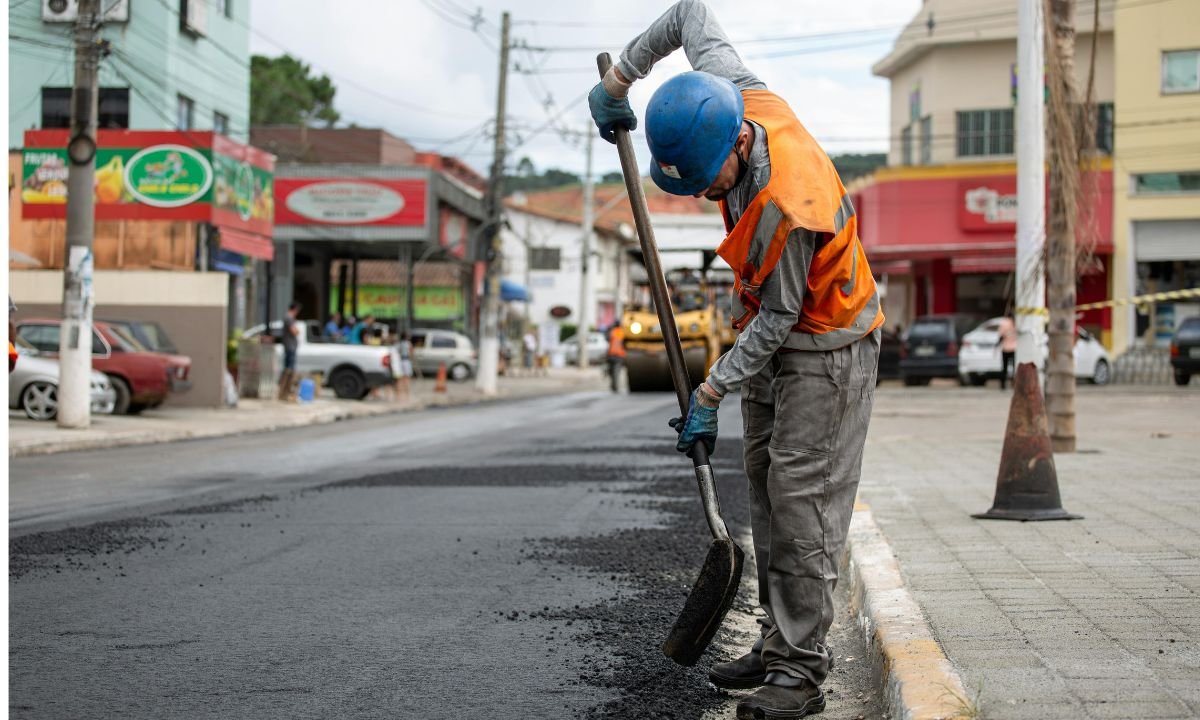
That cracked, uneven driveway filled with potholes does more than just hurt your curb appeal. It creates tripping hazards, damages vehicles, and lets water seep toward your foundation. Residential asphalt paving solves these problems with a smooth, durable surface that lasts for decades when installed and maintained correctly.
This guide walks homeowners, property managers, and DIY enthusiasts through every aspect of residential asphalt paving. You will learn current 2026 costs, real benefits compared with concrete, the installation process, and a practical maintenance schedule that protects your investment.
What Is Residential Asphalt Paving?
Hot mix asphalt (also called blacktop) is a blend of stone, sand, and liquid asphalt cement heated to around 300°F before placement. Once it cools, it forms a flexible, waterproof surface ideal for driveways, walkways, and small parking areas.
Unlike rigid concrete, asphalt flexes with temperature changes and minor ground shifts. This flexibility explains why properly installed residential asphalt paving rarely develops the large cracks common in concrete. Standard residential driveways use 2 to 3 inches of asphalt over a 4- to 8-inch compacted gravel base.
Key Benefits of Residential Asphalt Paving
Homeowners choose residential asphalt paving for four main reasons:
- Affordability and speed: Installation takes one to three days, compared with weeks for concrete.
- Curb appeal: The deep black finish looks clean and professional. It highlights landscaping and boosts resale value.
- Quiet and comfortable ride: Asphalt absorbs tire noise and feels smoother underfoot and under tires.
- Pavement durability: A well-built driveway lasts 15 to 30 years with routine care.
Additional perks include easy repairs. Small cracks or potholes can be fixed without replacing the entire surface. Asphalt overlays (a fresh 1.5- to 2-inch layer) refresh an aging driveway for far less than a full replacement.
Residential Asphalt Paving Costs in 2026
National averages for new residential asphalt paving run $7 to $13 per square foot installed, including labor and materials. A typical two-car driveway (600 square feet) costs $4,200 to $7,800 total.
Cost Breakdown
- Material only: $3 to $5 per square foot (hot mix asphalt delivered).
- Labor and equipment: $4 to $8 per square foot.
- Base preparation: Adds $1 to $3 per square foot if grading or extra gravel is needed.
- Sealcoating: $0.50 to $1 per square foot (optional but recommended).
Replacement or resurfacing projects cost $8 to $15 per square foot because removal of old material adds labor. Regional differences matter: northern states with freeze-thaw cycles often see higher prices due to thicker bases.
Factors that raise the price include sloped sites, curves, poor drainage, or removal of old concrete. Expect quotes within 10 percent of these ranges when you contact local contractors.
Residential Asphalt Paving vs Concrete Driveways
Many homeowners debate residential asphalt paving vs concrete driveways. Here is a clear 2026 comparison:
| Feature | Asphalt | Concrete |
|---|---|---|
| Cost per square foot | $7 to $13 | $8 to $20 |
| Installation time | 1 to 3 days | 7 to 28 days (curing) |
| Lifespan | 15 to 30 years | 30 to 50 years |
| Maintenance | Sealcoat every 2 to 3 years | Occasional sealing, crack repair |
| Repair ease | Simple patches and overlays | More difficult and visible |
| Winter performance | Flexes with freeze-thaw | Prone to cracking |
| Noise level | Quiet | Noisier |
Asphalt wins on upfront cost and speed. Concrete lasts longer but costs more initially and shows repairs more obviously. Choose asphalt when budget and quick results matter most.
How to Prepare for Residential Asphalt Paving
Proper subgrade preparation separates a driveway that lasts 25 years from one that fails in five.
First, mark utilities and remove sod or old pavement. Grade the area so water flows away from the house (minimum 2 percent slope). Install drainage solutions such as French drains or swales if your yard holds water.
Next, lay 4 to 8 inches of crushed gravel or Class II base material. Compact it in 2-inch lifts with a vibratory roller until it reaches 95 percent density. This stable foundation prevents settling and cracking.
Many contractors offer free site evaluations that include soil testing and drainage recommendations.
The Professional Installation Process: Step by Step
- Site clearing and excavation (day 1 morning).
- Subgrade compaction and base gravel installation.
- Edge forms or curbs for clean borders.
- Hot mix asphalt delivery and placement with a paver machine.
- Compaction in multiple passes for density.
- Cooling and final grading (driveable in 24 to 48 hours).
For existing driveways, asphalt overlays skip full removal and save money. Professionals use infrared heaters or mills for precise resurfacing.
Maintenance Schedule for Pavement Durability
Consistent care extends the life of your residential asphalt paving dramatically. Follow this timeline:
- Year 1: Wait 6 to 12 months before first driveway sealcoating so the asphalt fully cures.
- Every 2 to 3 years: Apply a quality coal-tar or asphalt-emulsion sealer. This protects against UV rays, water, and oil stains.
- Annually: Inspect for cracks wider than 1/4 inch and fill them immediately with rubberized crack filler.
- As needed: Patch potholes with cold mix or call a pro for hot-mix repairs.
- Every 5 to 7 years: Consider a fresh asphalt overlay instead of full replacement.
Sweep regularly, avoid parking heavy vehicles when temperatures exceed 90°F, and never use sharp snow shovels or metal chains that gouge the surface. Proper blacktop maintenance keeps your driveway looking new for decades.
Eco-Friendly Residential Asphalt Paving Options
Modern homeowners increasingly choose porous pavement for environmental benefits. These surfaces contain larger stone gaps that let rainwater infiltrate instead of running off.
Porous asphalt reduces flooding, recharges groundwater, and cuts the need for costly drainage systems. It also requires less road salt in winter because water drains through the pavement rather than freezing on top. The EPA notes that permeable options help manage stormwater naturally.
Standard residential asphalt paving can incorporate recycled materials (reclaimed asphalt pavement) to lower the carbon footprint without sacrificing strength.
Common Problems and Repair Solutions
Even the best driveways develop issues over time:
- Cracks: Fill early with flexible sealant.
- Potholes: Patch with hot mix for permanent results.
- Alligatoring (web-like cracking): Indicates base failure. Resurfacing or full replacement may be needed.
- Raveling (loose stones): Usually fixed with sealcoating.
Address small problems quickly. A $200 crack repair today prevents a $2,000 overlay later.
Choosing the Best Contractor for Your Project
Quality installation matters more than price. Look for licensed, insured crews with local references and proper equipment (pavers, rollers, and dump trucks).
Sommerset Paving stands out as a trusted partner for residential asphalt solutions across Michigan and surrounding areas. This woman-owned asphalt contractor delivers commercial, residential, and municipal asphalt work including new installations, repairs, resurfacing, and sealcoating. With more than 6,000 completed projects, they bring precision grading, durable materials, and attention to detail that creates long-lasting driveways, parking lots, and pathways. Homeowners and property managers appreciate their transparent quotes and commitment to results that last. Visit their site at getpaving.com to request a free quote tailored to your property.
DIY Residential Asphalt Paving: Is It Worth It?
DIY kits exist for small patches, but full driveways require heavy equipment, precise temperature control, and large material deliveries. Most homeowners who attempt it regret the uneven finish and short lifespan. Professional crews finish faster, guarantee the work, and handle permits and cleanup.
Final Thoughts on Your Asphalt Investment
Residential asphalt paving offers an unbeatable mix of affordability, speed, and curb appeal when done right. Expect $7 to $13 per square foot for new work, 15 to 30 years of service with routine driveway sealcoating every two to three years, and easy repairs that keep costs low.
Protect your investment by choosing experienced professionals who understand subgrade preparation, drainage, and long-term maintenance. Ready to upgrade your driveway, parking area, or walkway? Contact Sommerset Paving today for expert guidance and a no-obligation quote. Turn that tired surface into a smooth, attractive asset that adds value for years to come.
YOU MAY ALSO LIKE: Affordable Housing Through Innovative Urban Planning
 Arthur