

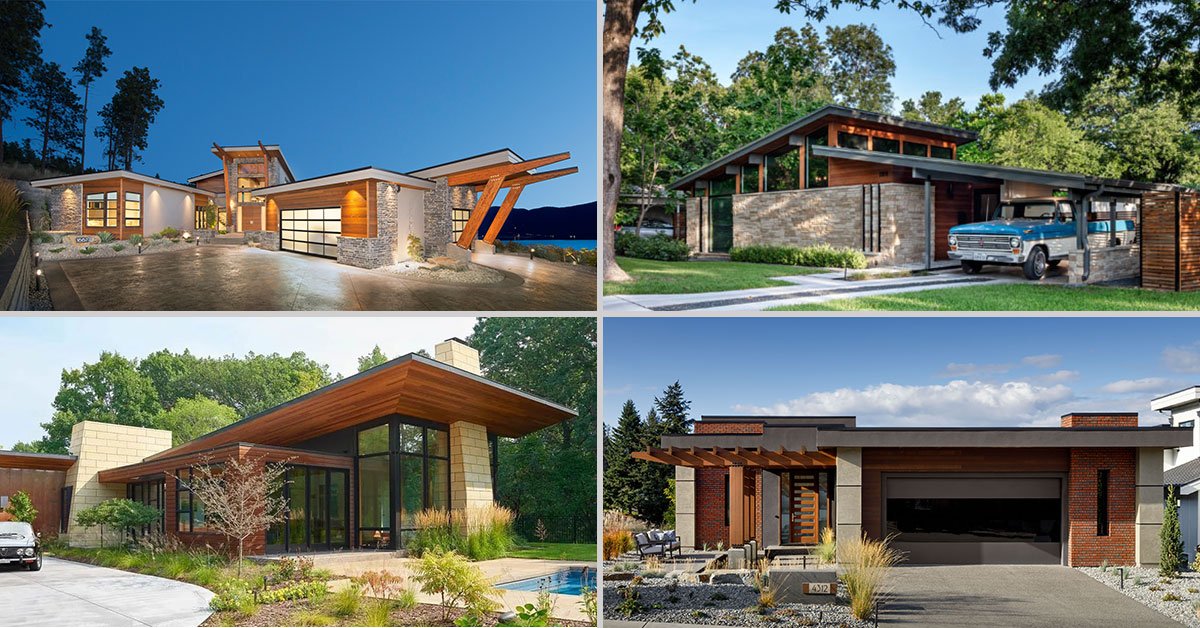
Many people use contemporary and modern architecture interchangeably. That confusion makes sense because both styles often feature clean lines, open interiors, and minimal ornament. Still, they are not the same. Modern architecture refers to a defined design movement from the early to mid-twentieth century. Contemporary architecture refers to what is being designed now and reflects current priorities, materials, and ideas. The distinction matters because the two styles may look similar, but they come from different histories.
Why People Often Confuse Contemporary and Modern Architecture
The confusion usually starts with appearance. Both styles favor simplicity over decoration and avoid many details common in older buildings. Large windows, open floor plans, and crisp geometric shapes appear in both, which makes them easy to group together. Another reason is that many designers and property owners use the word modern as shorthand for anything current. In practice, that broad use blurs an important distinction. Even the work of expert Naples architects may combine modern influences with contemporary features, which can make the labels feel less precise to the average observer.
What Defines Modern Architecture
Modern architecture is a specific movement, not a general description of something new. It developed in the early twentieth century and grew from a desire to move away from historical ornament and focus on function, efficiency, and clarity. Modernist architects believed buildings should reflect their purpose and the realities of industrial construction rather than copy older decorative styles.
That approach led to simple forms, flat or low pitched roofs, smooth surfaces, strong horizontal and vertical lines, and restrained material palettes. Steel, concrete, and glass became important because they supported new structural possibilities and cleaner visual compositions. The guiding idea was that form should follow function. In modern architecture, design decisions are meant to serve purpose rather than excess.
What Defines Contemporary Architecture
Contemporary architecture is defined less by one strict philosophy and more by the fact that it reflects the present moment. It evolves as design priorities change, which means it can borrow from multiple styles while still feeling current. Where modern architecture is tied to a specific historical period, contemporary architecture keeps moving forward.
Today, contemporary buildings often emphasize flexibility, natural light, indoor outdoor flow, sustainable performance, and creative use of materials. Glass remains important, but contemporary projects may also combine wood, metal, concrete, and stone in varied ways. Curves, asymmetry, and unusual massing can also appear more often than they would in classic modernist work. Contemporary architecture tends to be adaptable and responsive to local context, technology, and environmental concerns.
Key Visual and Functional Differences
The biggest difference is that modern architecture follows a more defined visual discipline, while contemporary architecture allows more freedom. A modern building is likely to feel restrained, geometric, and controlled. A contemporary building may still be minimal, but it can also be softer, more expressive, or more experimental.
Functionally, the two can overlap, but contemporary work often places stronger emphasis on present day lifestyle needs. That may include flexible interior layouts, seamless transitions between inside and outside spaces, or choices that improve energy performance. Modern architecture values function too, but it reflects the priorities of its own era. In simple terms, modern architecture belongs to a movement, while contemporary architecture responds to current living and environmental expectations.
How Materials and Technology Shape Each Style
Materials help reveal the difference between the two styles. Modern architecture embraced the industrial materials of its time and used them in disciplined, efficient ways. Concrete, steel, and large panes of glass supported new forms and cleaner structures. Contemporary architecture still uses those materials, but it also reflects advances in fabrication, insulation, glazing, and environmental design.
As a result, contemporary projects often integrate smart technologies, sustainable materials, and performance driven envelopes more directly into the architecture. The building is shaped by current standards for comfort, efficiency, and adaptability.
Which Style Fits Today’s Projects Better?
Neither style is automatically better. The right choice depends on the project, site, budget, and experience the client wants to create. A modern inspired design may be ideal for someone who values timeless restraint and a strong connection to architectural history. A contemporary approach may suit a project that needs greater flexibility, updated performance goals, or a tailored response to current living patterns.
In many cases, today’s best projects draw from both. They use the clarity of modern design while embracing the innovation and responsiveness of contemporary architecture.
Conclusion
Modern and contemporary architecture share some visual traits, but they are not the same. Modern architecture is a historical movement with clear principles. Contemporary architecture reflects design thinking and continues to evolve. Understanding that distinction makes it easier to evaluate buildings and choose the right direction for a project.
 Arthur
  Issam
Issam