

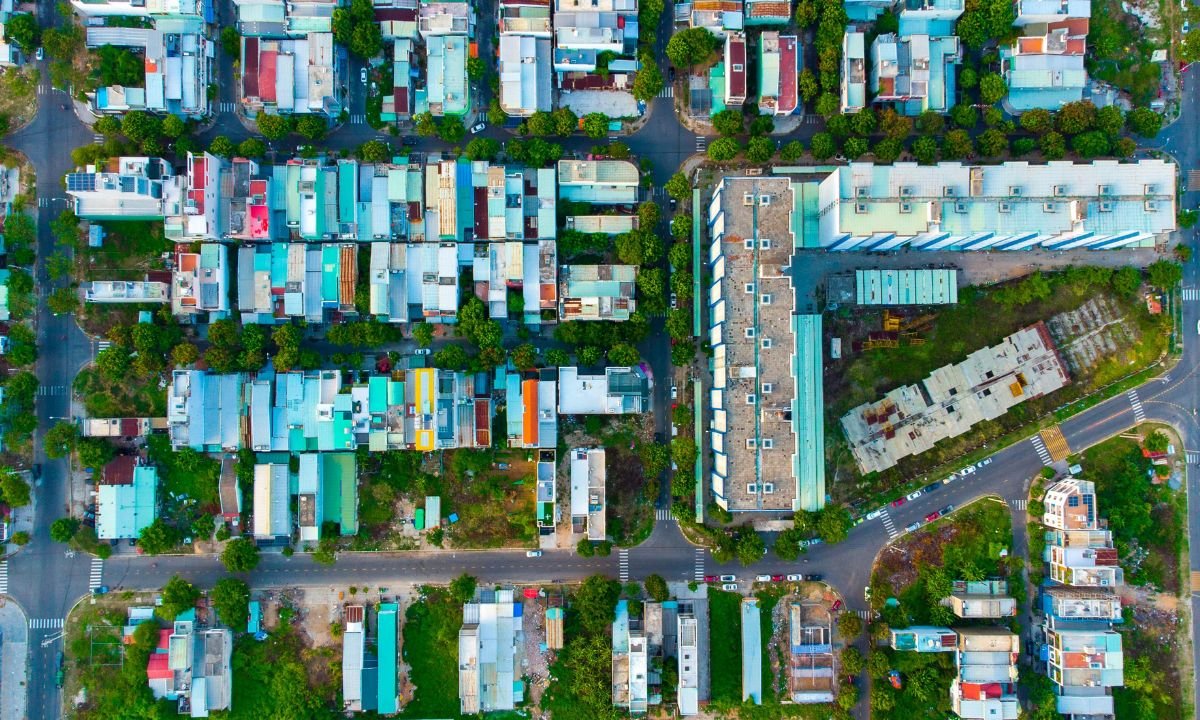
Imagine stepping out at midnight in a bustling city. The streetlights hum, traffic drones in the distance, and suddenly you spot a coyote trotting confidently along the subway tracks or a raccoon methodically cracking open a “raccoon-proof” trash bin like a seasoned burglar. These aren’t anomalies—they’re everyday scenes in the urban jungle. Cities aren’t just concrete canyons for humans; they’re novel ecosystems forcing wildlife to rewrite their survival rulebooks at breakneck speed.
Urbanization reshapes everything from foraging habits to family dynamics, often through human-induced rapid evolutionary change (HIREC)—a fancy term for the lightning-fast adaptations animals make when faced with our skyscrapers, sirens, and streetlights. Understanding how urban areas affect wildlife behavior isn’t just fascinating for amateur naturalists or biology students; it’s essential for environmentally conscious residents and city planners who want to turn “pests” into resilient neighbors. The good news? These changes reveal incredible resilience, and small actions can foster coexistence that benefits both wildlife and our own well-being.
The New Survival Kit: Foraging and Boldness in the City
From Foraging to Scavenging: Exploiting Anthropogenic Resources
In the wild, animals hunt or gather scattered natural foods. In the city, dinner is often delivered—literally. Urban wildlife shifts from natural diets to anthropogenic resources like trash, bird feeders, pet food, and restaurant scraps. Raccoons in North American cities, for instance, have learned to treat garbage bins as all-you-can-eat buffets, while urban coyotes snack on discarded fast food and rodents.
These “clumped” resources (concentrated in dumpsters and parks) boost population densities but can lead to poorer health from junk-food diets. White-footed mice in New York City have even evolved genetically to digest human scraps like pizza better than their rural cousins. The result? More animals crammed into smaller spaces, setting the stage for new conflicts.
The “Boldness” Shift: Why City Animals Lose Their Fear
Ever noticed squirrels that barely flinch when you walk by? That’s habituation in action. Urban animals reduce their “flight initiation distance”—how far they bolt when a human approaches—because repeated non-threatening encounters teach them we’re usually harmless (or even helpful). Studies across mammals show this boldness shift is one of the most common adaptations: decreased vigilance, smaller home ranges, and bolder personalities.
Trade-offs abound. Bold raccoons or coyotes gain easy calories but risk vehicle collisions or retaliation when they raid backyards. Yet for adaptable species, the payoff is survival in a world where natural prey is scarce.
Breaking the Silence: Communication and Sensory Overload
Singing Over the Siren: Adapting to Noise Pollution
Traffic, construction, and sirens create a constant low-frequency roar that masks animal calls. Birds and frogs fight back with the Lombard effect—cranking up volume, shifting pitch higher, or changing timing. City great tits and blackbirds sing at higher frequencies than forest counterparts so their songs cut through the din; nightingales belt louder.
Frogs in urban ponds call more aggressively or overlap rivals’ calls less effectively. The downside? Higher-energy songs or altered timing can reduce mating success or make them easier for predators to locate. Noise pollution doesn’t just drown out conversations—it rewires entire social lives.
The False Noon: How Light Pollution Rewires the Clock
Streetlights and neon turn night into perpetual twilight, scrambling circadian rhythms. Nocturnal animals like moths and bats stay active longer or get disoriented; insects swarm lights, becoming easy prey. Birds exposed to artificial light at night (ALAN) start dawn singing hours early, burning energy and missing rest.
For fireflies, the glow that once signaled mates now competes with billboards, slashing reproduction. Light pollution doesn’t just disrupt sleep—it cascades into failed matings, altered predator-prey dynamics, and exhausted wildlife.
The Social Network: Reshaping Animal Relationships
Crowded Quarters and Increased Aggression
Parks and green patches become hotspots where solitary species are forced into close quarters. Urban rodents show more tolerance at night but heightened vigilance by day; some populations turn more aggressive over prime real estate. Disease spreads faster in these dense “social networks,” and territorial disputes rise.
Yet not all changes spell conflict. Some species converge on tolerant, exploratory behaviors, sharing space more peacefully than rural relatives.
Fragmented Families: The Impact of Barriers
Roads and buildings act like invisible walls, creating habitat islands. Animals can’t easily find mates or disperse, leading to inbreeding, reduced genetic diversity, and “urban-only” social traits. Fragmentation isolates families, changes mating strategies, and heightens stress.
Coyotes in Los Angeles, for example, navigate fragmented green spaces but suffer higher roadkill rates—yet survivors pass on bolder genes.
Toward Harmony: Mitigating the Impact of Urbanization
Architecture for Animals: Wildlife Corridors and Green Roofs
Cities can fight fragmentation with smart design. Wildlife corridors—green bridges, underpasses, and connected parks—let animals move safely. Green roofs and living walls turn buildings into mini-habitats for birds, bees, and bats.
Examples like Singapore’s Nature Ways or New York’s High Line prove these features boost biodiversity while managing stormwater and heat.
Small Steps for Citizens: Living in Coexistence
You don’t need a city budget to help. Secure your trash to deter bold scavengers, install bird-safe glass, plant native species to restore natural foraging, and join citizen-science apps tracking urban wildlife. Support wildlife-friendly urban planning that reduces human-wildlife conflict.
A simple “wildlife-friendly yard” checklist—fewer pesticides, more native plants—can turn your backyard into a corridor.
Conclusion
Urban wildlife isn’t just surviving; it’s evolving in real time through behavioral adaptations, sensory tweaks, and even genetic shifts under HIREC. From bolder squirrels to pitch-shifted songs and fragmented families, these changes highlight both the pressures of city life and the remarkable resilience of animals.
The payoff for us? Healthier ecosystems mean cleaner air, natural pest control, and cities that feel more alive. A metropolis that supports wildlife is more resilient for humans too.
Ready to join the story? Download a free “wildlife-friendly yard” checklist from your local conservation group, advocate for green corridors in city planning meetings, or simply observe your animal neighbors with fresh eyes. Every small step turns the urban jungle from a battleground into a shared home—where wild rules and city life finally coexist.
 Issam
Issam