

Interior demolition is often the first step in a home remodeling project. Removing old cabinets, drywall, flooring, and fixtures creates the blank slate needed for renovation work. However, demolition can also produce a large amount of debris in a short period of time. For homeowners handling demolition themselves, planning how to manage waste is just as important as planning the renovation itself. With the right approach, disposal can be handled efficiently and safely.
Start With a Clear Disposal Plan
Before demolition begins, homeowners should think through how debris will be handled. Interior demolition typically produces bulky materials such as drywall, wood framing, tile, and insulation. These materials can accumulate quickly, especially when several rooms are involved.
Without a disposal plan, debris may pile up in hallways, garages, or outdoor areas. This clutter can slow progress and create obstacles while working. Having a designated disposal method in place allows homeowners to remove debris immediately rather than moving it around multiple times.
Separate Materials When Possible
During demolition, different types of materials are often removed at the same time. Wood, drywall, metal fixtures, and packaging may all end up in the same pile if not managed carefully. Separating materials when possible can make disposal easier and may create opportunities for recycling or reuse.
Metal fixtures, hardware, and certain building materials may be accepted by recycling facilities. Setting these items aside as demolition progresses helps reduce the amount of waste that ultimately needs to be discarded.
Break Down Large Items
Interior demolition frequently involves removing large pieces of material that can take up unnecessary space if left intact. Cabinets, shelving units, and sections of drywall can often be broken down into smaller pieces before disposal.
Breaking down items helps maximize available space and makes loading debris easier. Smaller pieces are also safer to handle, especially when carrying materials through tight spaces or stairways.
Keep Work Areas Clear
Demolition work can quickly create hazardous conditions if debris is allowed to accumulate. Loose boards, nails, and broken materials increase the risk of trips and injuries. Keeping the work area clear throughout the demolition process helps maintain safer conditions.
One effective approach is removing debris at regular intervals rather than waiting until the end of the project. Clearing materials as they are removed prevents large piles from forming and keeps pathways open.
Consider Centralized Waste Removal
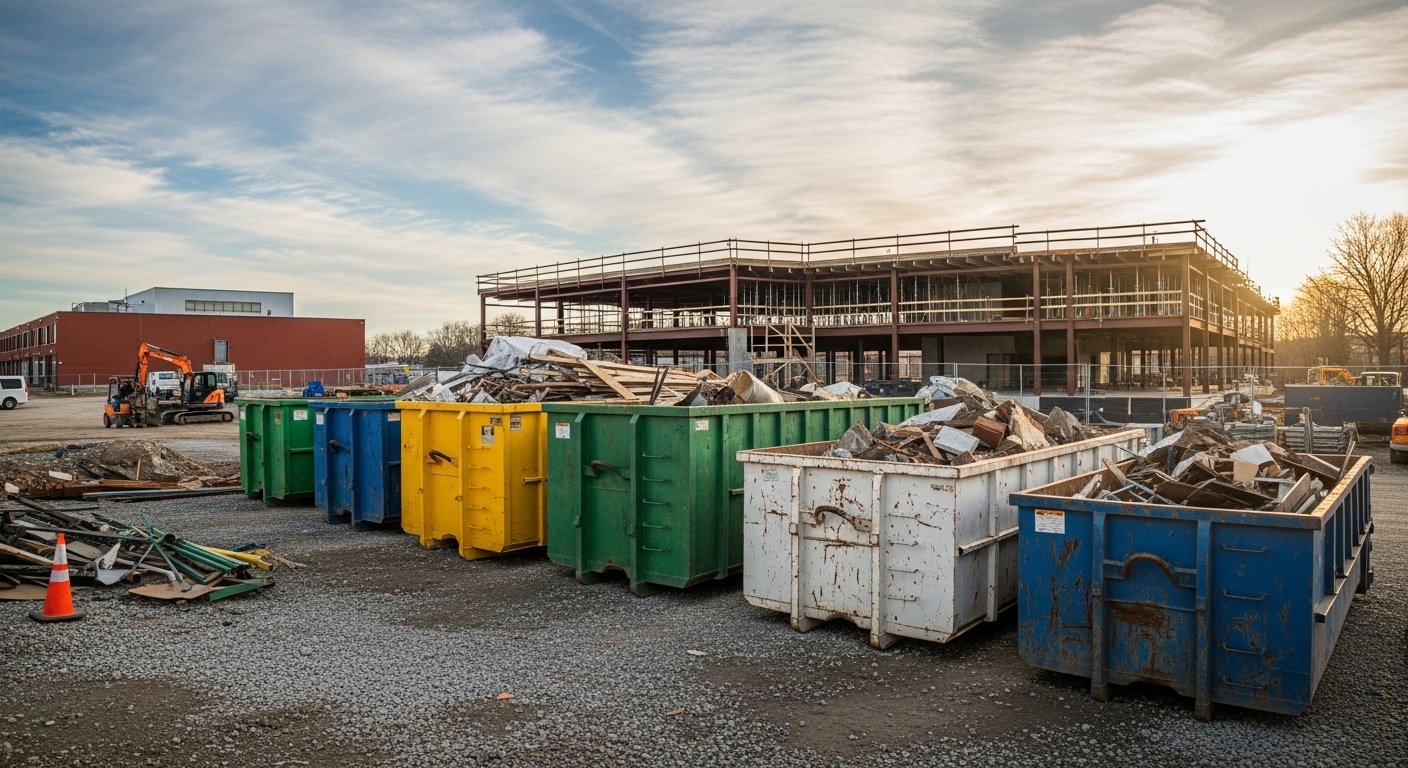
For projects that generate significant debris, many homeowners use centralized waste solutions to simplify disposal. Instead of relying on curbside trash pickup or making repeated trips to disposal facilities, some choose options like Temporary Dumpster services to manage demolition waste in one location.
Having a designated container on-site allows debris to be discarded immediately and keeps demolition areas more organized. This approach is especially useful for multi-room remodels or larger renovation projects.
Be Aware of Restricted Materials
Not all demolition materials can be disposed of in the same way. Certain items, such as hazardous materials, chemicals, or specialized building components, may require separate disposal methods. Homeowners should check local guidelines before beginning demolition to understand any restrictions.
Being aware of these rules helps prevent delays or complications during cleanup. Proper handling of restricted materials also ensures the project remains compliant with local waste regulations.
Plan for Final Cleanup
Once demolition is complete, a final cleanup phase is necessary before renovation work begins. Dust, small debris, and leftover materials should be removed so contractors can start with a clear workspace.
A thorough cleanup makes it easier to inspect the exposed structure and identify any repairs needed before installation begins. Taking time to complete this step properly helps ensure the next phase of the remodel moves forward smoothly.
Interior demolition is an important step in many home remodeling projects, but it can produce large volumes of debris that require careful handling. By planning disposal ahead of time, separating materials when possible, and maintaining clear work areas, homeowners can manage demolition waste more effectively. With the right preparation, the cleanup process becomes far more manageable and helps set the stage for a successful renovation.