
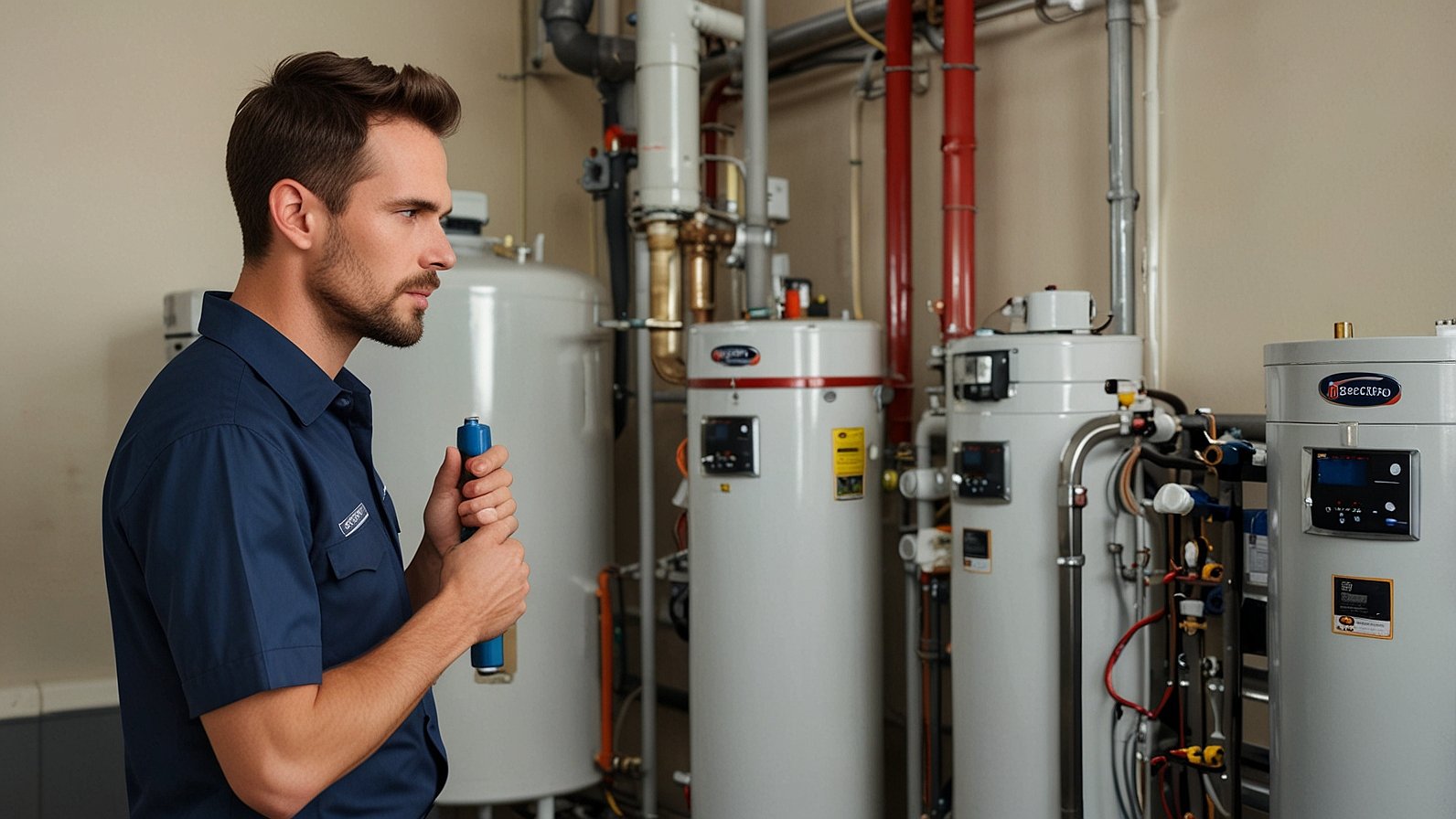
In Yeppoon’s warm coastal climate, a reliable hot water system is something most households take for granted—until the water runs cold mid-shower or the power bill suddenly jumps. Whether you are building, renovating, or replacing an aging unit, understanding your options can save you money, headaches, and future emergency call-outs.
This local guide walks through the essentials: the main types of systems available, what to consider for installation, how to handle breakdowns, and how to choose more energy-efficient options that suit Yeppoon conditions.
Understanding Your Hot Water Options in Yeppoon
Most homes in Yeppoon will be choosing from four main types of hot water systems: electric storage, gas, heat pump, and solar.
Electric storage systems are common because they are relatively affordable to install and easy to replace like-for-like. They heat a tank of water and keep it hot, usually on a timer or off-peak tariff. The downside is higher ongoing running costs and energy wasted maintaining the water temperature, even when no one is using it.
Gas systems, where available, can provide faster heating and often lower running costs compared to older electric units. Instantaneous (continuous flow) gas systems only heat water when the tap is turned on, avoiding the need for a large storage tank. However, they rely on a reliable gas supply and may require specific venting and compliance checks.
Heat pump systems use electricity in a more efficient way, pulling heat from the surrounding air to warm the water. They can be a good choice in many Queensland locations, but they need enough space and airflow and can sometimes be noisier than other options if positioned too close to living or sleeping areas.
Solar hot water makes good use of Yeppoon’s climate. Roof-mounted collectors capture the sun’s energy, with an electric or gas booster for cloudy days. While solar systems often cost more upfront, they can significantly reduce ongoing bills over the long term, especially for larger households.
Local Factors That Affect Your Choice
Yeppoon’s coastal environment, roof design, and household habits all affect which system is the best fit.
Salt air and humidity can influence how long external components last, particularly tanks and metal fittings. Your roof orientation and any shading from trees or nearby buildings will impact how well a solar system performs. The number of people in your home and when they typically use hot water (all at once in the morning versus spread throughout the day) will influence the size and type of system that makes sense.
Because of these variables, it is often worth getting a local plumber who regularly works with hot water systems yeppoon to assess your setup rather than relying solely on generic advice meant for very different climates or building styles.
What to Expect During Installation
If you are installing a new system or replacing an old one, there are a few practical steps to expect.
First, the installer should confirm the correct size for your household, taking into account the number of bathrooms, typical usage patterns, and whether your home may grow (for example, if you have young children who will eventually be teenagers using more hot water).
Next, they will check existing plumbing, electrical or gas connections, drainage, and location of the current unit. Sometimes, upgrading to a more efficient model may require moving the system slightly, adding a tempering valve for safety, or updating old pipework to meet current standards.
Finally, a quality installer will walk you through how the system works, recommended temperature settings, basic maintenance, and what signs to watch for that indicate a problem—such as rusty water, unusual noises, or water pooling near the unit.
Handling Breakdowns and Emergency Repairs
No matter how good the system, parts can wear out over time. Common issues include failed elements, faulty thermostats, leaking tanks, or problems with valves. In some cases, especially with older systems, a breakdown can be the point where replacement becomes more economical than repeated repairs.
When a problem appears, quick action helps minimise damage. Turning off power and water to the unit and calling a qualified local plumber is usually the safest first step. They can diagnose whether a repair is simple and cost-effective or whether the unit is nearing the end of its life.
Because plumbing issues rarely happen at convenient times, many homeowners prefer to build a relationship with a local company that can handle both everyday work and urgent calls, rather than searching the internet in a panic when something fails.
Why Blocked Drains and Hot Water Issues Often Go Together
Hot water systems do not exist in isolation. If your property has underlying plumbing issues, those can affect performance, lifespan and overall reliability.
For example, recurring clogs or slow-draining fixtures may indicate deeper issues in the pipework. In some homes, drainage problems can increase stress on plumbing connections around the hot water system itself. Getting both your hot water and drainage checked by the same local team can lead to more accurate diagnosis and longer-term fixes.
In Yeppoon, it is common for homeowners to have a plumber investigate both hot water and Blocked Drain yeppoon issues together, rather than treating them as separate problems that different tradespeople handle in isolation.
Moving Toward More Energy-Efficient Hot Water
Energy prices are unlikely to drop dramatically any time soon, which makes efficiency an important part of your decision—especially when you consider that hot water can be a large portion of a household’s total usage.
Some practical steps to improve efficiency include choosing the right size (oversized systems waste energy), considering heat pump or solar options where budget and site conditions allow, insulating exposed pipework, and using off-peak tariffs where possible. Even simple habits like staggering showers or running the washing machine at times that align with solar generation can make a difference.
A good local plumber can walk you through what is realistic for your property and what kind of payback period you can expect if you upgrade.
Choosing a Local Partner for the Long Term
Hot water systems are a long-term investment, and it helps to think of your relationship with your plumber the same way. Rather than just getting the cheapest installation and hoping for the best, look for a team that offers clear advice, transparent pricing, and after-care support.
Local specialists such as 24 HR Plumb Solutions, who regularly deal with Yeppoon homes and conditions, bring the benefit of experience: they see which brands and setups perform well over time, which common mistakes to avoid and how to plan for both daily use and emergencies.
When you combine the right type of system, quality installation, and sensible ongoing maintenance, your hot water becomes one less thing to worry about—leaving you to enjoy comfortable showers, lower bills and a home that is better prepared for the future.
You May Also Like: Exploring the Tractor Supply Sales Associate Job Description: What You Need to Know in 2026
 Siam
Siam