

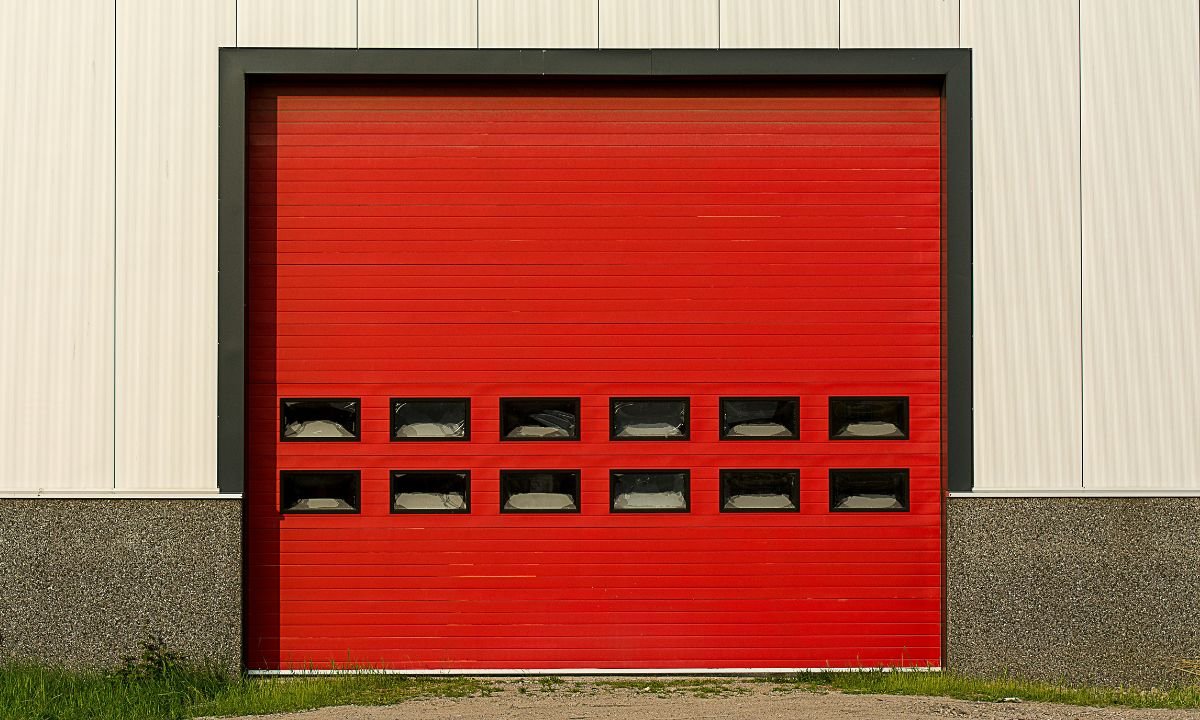
A garage door produces dozens of tiny sounds while functioning properly. Most homeowners in Kent pay little attention to the sounds until the system stops working altogether. The point of breakdown is where frustration and puzzlement set in as homeowners try to understand what happened. Machines break down for particular reasons that experienced people can easily identify.
Technicians arrive at a home and immediately begin gathering information from the owner. They will ask questions about recent sounds, changes in functionality, and the last time the system was serviced. Reliable experts like Door Pro America in Kent, WA, train their team to recognize failure patterns unique to the region’s homes
Visual Inspection of Panel Alignment and Surface Damage
The technicians in Kent take a step back and analyze the positioning of the door in the frame. They search for areas where the panels are not aligned properly, which could be a sign of hinge issues or warped panels. Holes, rust, and paint flaking indicate areas that are susceptible to further damage.
The bottom panel gets extra attention as it is the most exposed to water damage. The team checks for any light leakage when the door is fully closed. This quick scan helps the team identify areas that could cause problems down the line.
Manual Operation Test to Assess System Balance
Professionals in Kent disconnect the automatic opener to check the door’s manual movement. They lift the door halfway and release it to observe how well it stays put. A properly balanced door remains stationary at any point along the track.
Doors that drift down or rise unexpectedly indicate spring tension problems. The technician feels for rough spots or binding during the manual lift. Heavier-than-normal resistance suggests bearing issues or track obstructions. This hands-on test reveals balance issues that strain the opener motor daily.
Track Examination for Bends, Gaps, and Obstructions
Metal tracks help rollers move along the entire path of the door. The Kent team uses a level to check the alignment of the vertical and horizontal parts. They check for gaps between the track and the roller that indicate wear or spreading.
Dents caused by car collisions result in high areas that cause rollers to bounce. Dirt, such as rocks or tools lodged in the track, prevents smooth movement. The team checks the mounting brackets for loose bolts that allow the track to move.
Roller and Hinge Evaluation for Wear Indicators
Each roller holds bearings that will eventually dry out and start grinding. Technicians turn each roller by hand to check for roughness or stiffness. Steel rollers have flat spots from years of abuse against the track.
Nylon rollers have cracks around the bearing housing. Hinge plates are bent from the constant strain of lifting heavy panels. Loose hinge bolts allow the door to sag and stick in the frame. Experts point out which rollers need to be replaced before they damage the track surface.
Spring Inspection for Rust, Gaps, and Cycle Fatigue
Overhead torsion springs, mounted above the door, are under immense pressure with every cycle. The presence of rust on the tightly coiled springs is a sign of weakening of the metal. The distance between the springs when the door is closed is measured to check the tension.
Extension springs are inspected for any extension beyond their original length. Safety cables supporting extension springs should be in good condition and securely attached. The presence of any fatigue on the springs calls for immediate replacement. Experts say that if one spring breaks, the other is sure to follow soon.
Cable Assessment for Fraying and Proper Winding
Lift cables encircle drums or are connected to bottom brackets, depending on the system. The technicians in Kent inspect the entire cable for damaged fibers or kinks. They also determine the manner in which the cable is wound around the drum as the door opens and closes.
Incorrect cable winding results in a heap of cable or a cable that slips off when in use. Rust areas show that the cable has been exposed to water, which reduces the strength of the steel fibers inside. The bottom bracket connection area is inspected for rust or looseness.
Opener Diagnostic Mode and Component Testing
Contemporary openers have diagnostic systems that display error messages through flashing lights. The messages are decoded by technicians based on light flashes to detect particular failures of the electronic system. The technicians check the sensitivity of the force to guarantee correct reversal when making contact.
The drive system is inspected for worn gears or loose chains. The crew checks the connection of the traveler carriage to the door arm. The photo-eye sensors are checked for proper alignment and cleaning of lenses. Signals from the remote control are checked for interference or poor transmission.
Professional diagnostic procedures follow a logical path from general observation to specific component testing. Technicians combine visual inspection with hands-on manipulation to pinpoint exact failure points. Trusted professionals like Door Pro America in Kent, WA, bring this systematic diagnostic expertise to every service call in the area. Residents gain confidence knowing their garage door receives a thorough evaluation before any repair work begins.
 Admin
Admin  Siam
Siam