

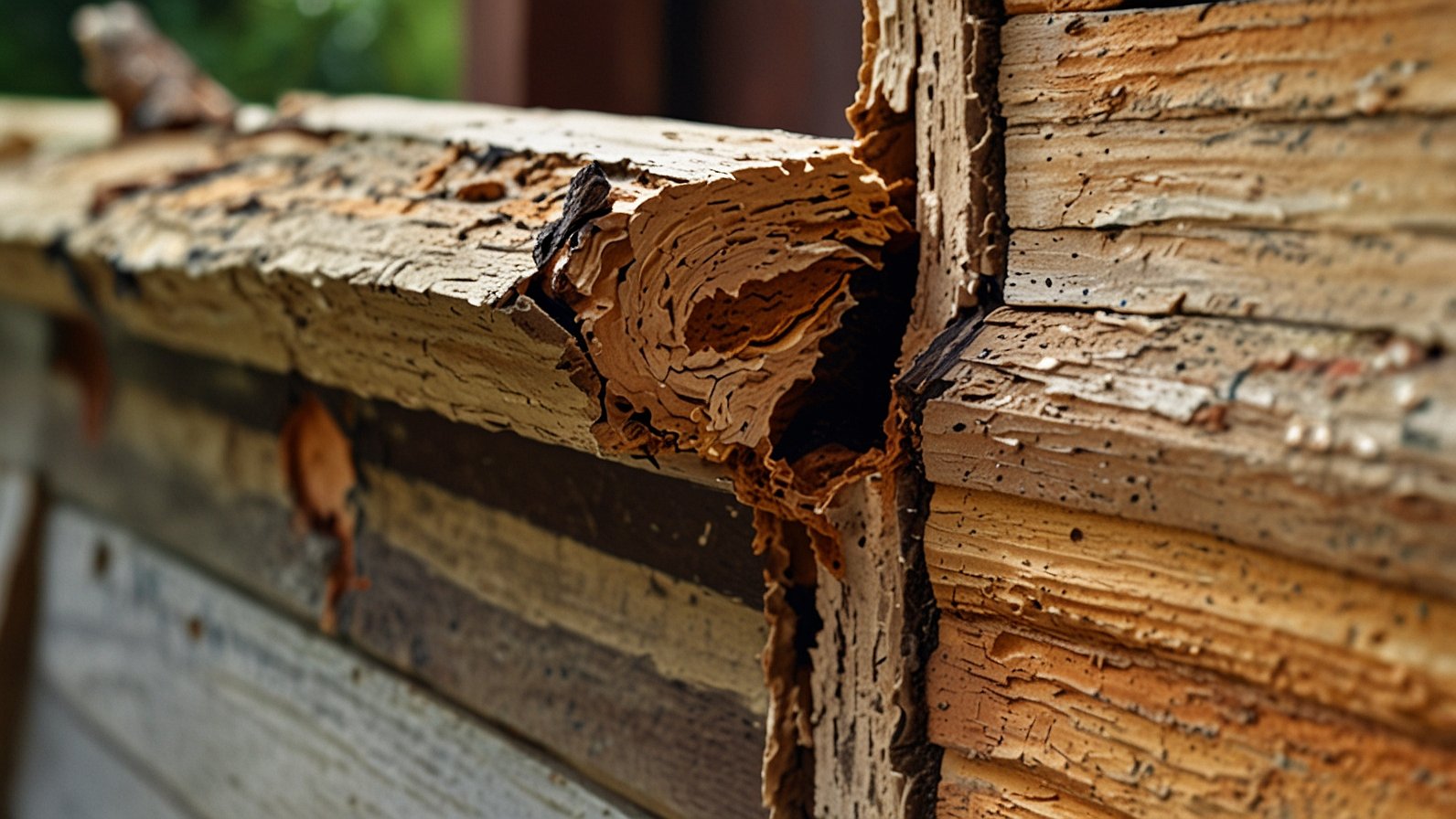
Dry rot is one of the most serious problems that can affect a home’s wooden structures. It develops when moisture penetrates wood and creates the perfect environment for fungal growth. Over time, the fungus breaks down the internal fibers of the wood, weakening beams, framing, siding, decks, and trim. Because the damage often begins out of sight, many homeowners discover the issue only after visible cracks, crumbling wood, or structural instability appear. Acting quickly and hiring qualified professionals is the key to preventing extensive and costly repairs.
Why Professional Dry Rot Repair Matters
Dry rot is not simply a cosmetic issue. It compromises the structural integrity of your home and can spread beyond the visibly damaged area. Surface patching or DIY repairs rarely solve the underlying problem. Moisture must be identified and eliminated, and all affected materials must be properly removed and replaced.
Working with experienced dry rot repair companies ensures that the entire process is handled correctly. Professionals conduct detailed inspections, locate hidden decay, and use appropriate treatment methods to stop fungal growth. Their expertise reduces the risk of recurring issues and helps protect your investment long term.
Common Causes of Dry Rot
Understanding the root causes of dry rot can help homeowners prevent it in the future. The most common sources of moisture include roof leaks, damaged siding, clogged gutters, poor drainage around the foundation, and plumbing issues. Inadequate ventilation in crawl spaces and attics can also trap humidity, creating ideal conditions for decay.
Even small, unnoticed leaks can lead to significant structural damage over time. That’s why regular maintenance and inspections are so important.
Warning Signs You Shouldn’t Ignore
Dry rot can present itself in several ways. Homeowners should watch for soft, spongy, or brittle wood; peeling or bubbling paint; musty odors; warped siding; and cracks in wooden trim. In advanced cases, floors may feel uneven or window frames may become loose.
If you notice any of these symptoms, scheduling a professional inspection is the safest step. Early detection typically means smaller repairs and lower costs.
What to Expect During the Repair Process
A reputable contractor will begin with a thorough assessment of the affected area and surrounding structures. Moisture meters and other tools may be used to determine how far the decay has spread. Once the scope of damage is clear, the repair team removes compromised wood and replaces it with new, treated materials.
After replacement, professionals treat adjacent surfaces to prevent further fungal growth. Finally, they address the moisture source — whether it’s repairing flashing, improving drainage, or sealing exterior gaps. This comprehensive approach ensures long-lasting results rather than temporary fixes.
How to Choose the Right Repair Company
Selecting a reliable contractor is essential for effective repairs. Look for companies with proven experience in structural restoration and exterior remodeling. Proper licensing and insurance protect you in case of unexpected issues during the project. Clear written estimates, transparent communication, and warranty coverage are also important factors.
Reading customer reviews and asking about previous projects can provide additional confidence in your choice.
Preventing Dry Rot in the Future
After repairs are complete, regular maintenance helps prevent recurrence. Keep gutters clean, ensure proper ventilation in enclosed spaces, seal exterior cracks, and inspect wooden elements after heavy rain. Addressing minor moisture problems early can save thousands of dollars in future repairs.
Conclusion
Dry rot is a serious issue that should never be ignored. It weakens structural wood, spreads silently, and can lead to expensive damage if left untreated. Hiring experienced professionals ensures thorough inspection, proper removal of decayed materials, and correction of moisture problems. With timely action and ongoing maintenance, you can protect your home’s structure, value, and long-term safety.
You May Also Like: 2 Seater Sofas: Smart Seating Solutions for Modern Living Spaces
 Admin
Admin  Issam Ezzeddine
  IQnewswire