

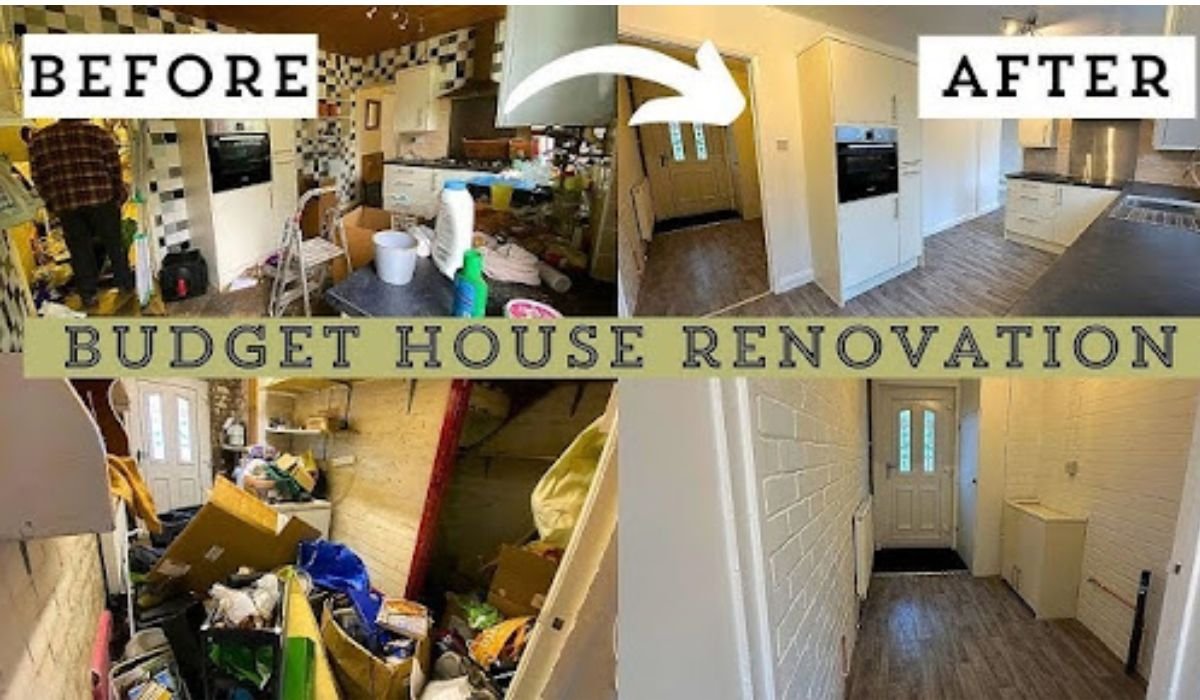
Ever poured your heart—and wallet—into a home remodeling project, only to watch it spiral into chaos? You’re not alone. In 2025, with rising material costs and evolving design trends, even seasoned homeowners can stumble into pitfalls that turn dream makeovers into nightmares. This guide dives into the top renovation mistakes to avoid, drawing from real-world stats where 74% of homeowners regret their projects and many end up spending thousands extra on fixes. Whether you’re a first-time DIY enthusiast tweaking your kitchen or a property investor flipping an old home, we’ll arm you with practical insights on project management, building permits, and more. By steering clear of these errors, you’ll ensure a smoother, more cost-effective process that boosts your home’s value without the stress. Let’s turn potential regrets into smart successes.
Mistake 1: Ignoring Building Permits
Picture this: You’ve just demolished a wall for that open-concept kitchen, only to get slapped with a stop-work order and hefty fines. Skipping building permits is one of the most common renovation mistakes to avoid, especially in older homes where structural changes can uncover hidden issues. According to experts, unpermitted work can lead to insurance denials or complications when selling, potentially costing you thousands in retroactive fixes. In fact, many jurisdictions require permits for electrical, plumbing, or load-bearing alterations to ensure safety and code compliance.
Why is this so costly? Fines alone can range from $500 to $5,000, plus the expense of undoing non-compliant work. For instance, a simple bathroom remodel without approval might reveal outdated wiring, ballooning your budget by 20-30%.
How to Avoid It: A Step-by-Step Guide
Start by researching local regulations—check your city’s building department website or consult a pro. For major home remodeling, pull permits early in project management to avoid delays. If you’re unsure, link up with resources like Investopedia’s guide on permits for clarity. Pro tip: Hire a contractor experienced in permit processes; it saves time and headaches. Always factor this into your timeline—approvals can take weeks.
Mistake 2: Hiring the Wrong Contractors
Have you ever trusted a low-bid contractor, only to deal with shoddy work and endless delays? This tops the list of renovation mistakes to avoid with contractors, as unqualified pros can turn a straightforward job into a money pit. Stats show that 78% of renovations go over budget, often due to poor hiring choices that lead to rework.
The financial hit? Correcting botched jobs averages $1,984 per mistake, not counting lost time or stress. In kitchens or bathrooms, where precision matters, a bad hire might compromise structural integrity or lead to leaks that damage foundations.
Actionable Solutions for Smart Hiring
Vet candidates thoroughly: Check reviews, licenses, and references. Use tools like NARI’s permit guidelines to ensure they handle compliance. Get multiple quotes, but prioritize value over price. For internal inspiration, see our guide on contractor selection. Sign detailed contracts outlining scope, timelines, and payments to protect your investment.
Mistake 3: Underestimating Your Construction Budget
Who hasn’t dreamed big, only to watch costs skyrocket midway? Underbudgeting is a classic among renovation mistakes to avoid, with 58% of DIYers blowing their plans due to unexpected errors. In 2025, with inflation hitting materials like lumber and fixtures, this can easily add 20-50% to your total spend.
Why does it hurt? Hidden issues, like mold in walls or outdated plumbing, can turn a $10,000 kitchen refresh into $15,000 overnight. Property investors especially feel the pinch when ROI suffers from these overruns.
Building a Bulletproof Budget
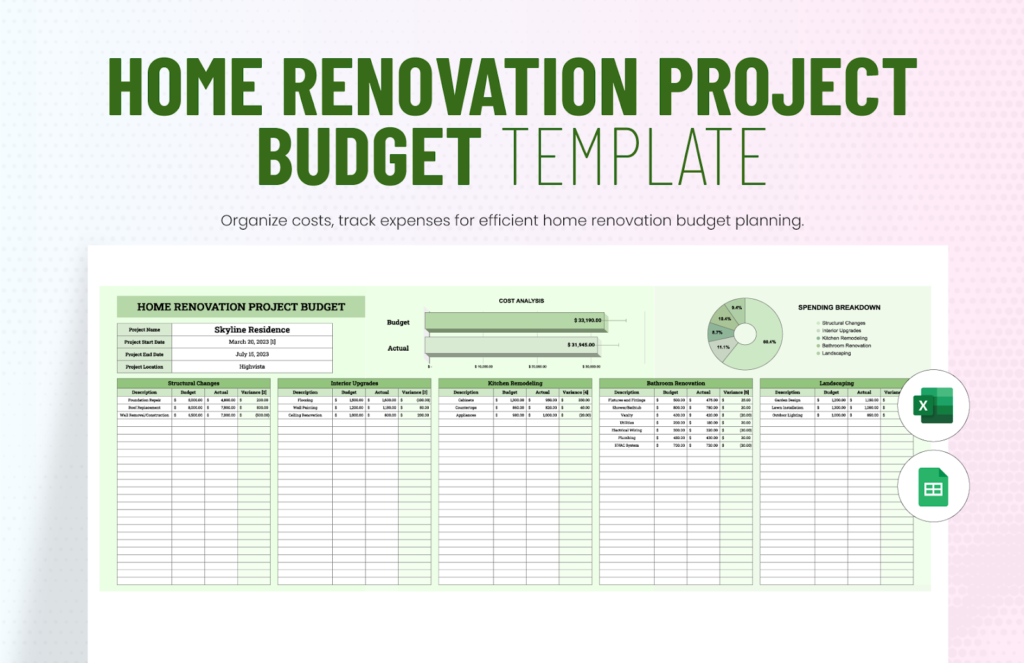
Pad your construction budget with a 10-20% contingency fund for surprises. Track expenses using apps or spreadsheets—consider our budget planning template. Compare costs from major retailers like Home Depot for material quality. For trends, incorporate energy-efficient upgrades, as they’re hot in 2025 and boost long-term savings.
Mistake 4: Choosing Low-Quality Materials
Tempted by bargain-bin tiles that crack after a year? Opting for cheap stuff is a sneaky renovation mistake to avoid, leading to premature wear and replacements that erode your return on investment (ROI). Surveys reveal that minor kitchen renos yield 96% ROI when done right, but skimping drops that sharply.
The cost? Redoing floors or counters can double your initial outlay, plus the hassle of living in a construction zone again. In high-traffic areas like bathrooms, poor materials invite moisture damage, hiking repair bills.
Tips for Selecting Smart Materials
Prioritize durability—look for warranties on material quality. In 2025, sustainable options like porcelain countertops are trending for their longevity and eco-friendliness. Shop sales at trusted suppliers, but read reviews. For beginners, avoid flashy trends; stick to timeless choices that enhance home value.
READ ALSO: Types of Flooring Materials: A Complete Guide for 2026
Mistake 5: Poor Project Management and Timelines
Ever had workers show up late, or supplies arrive out of order? Lousy project management derails timelines, inflating labor costs and extending disruptions. It’s especially brutal for kitchen renovation mistakes to avoid on a budget, where delays mean eating out and extra expenses.
Stats-wise, 48% of homeowners plan renos in 2025, but poor planning leads to overruns in nearly half. This can add weeks and thousands to your project.
Streamlining Your Reno Process
Create a detailed timeline with milestones. Use software like Trello for tracking. Coordinate tradespeople early—plumbers before painters. For complex jobs, hire a project manager to oversee, ensuring efficiency.
Mistake 6: Neglecting Structural Integrity in Old Homes
Tearing into an old wall without checking supports? This structural renovation mistake to avoid in old homes can cause collapses or costly reinforcements, turning a cosmetic update into a structural overhaul.
Why costly? Fixes for compromised structural integrity average $5,000-$10,000, per industry estimates. In historic properties, it might void warranties or require specialized engineers.
Safeguarding Your Home’s Bones
Get a professional inspection before starting. Reinforce as needed—don’t gut everything blindly. For 2025 trends, integrate smart reinforcements like energy-efficient framing.
Mistake 7: Botching the Floor Plan Layout
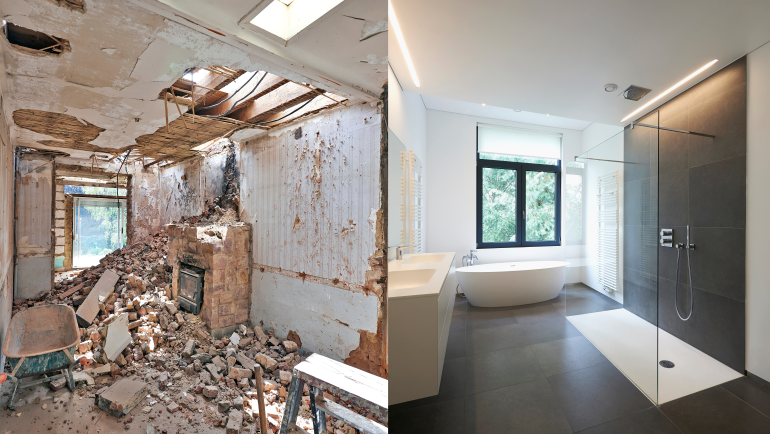
Stuck with a kitchen island that blocks flow? Poor floor plan layout is a top interior design renovation mistake to avoid for beginners, making spaces feel cramped and unusable.
The price? Redesigning layouts post-construction can cost 30% more than planning upfront. It also hurts resale, as buyers crave functional designs.
Designing for Flow and Function
Sketch multiple layouts—use free apps like Floorplanner. Consider lifestyle: Open spaces are big in 2025. Test with tape on floors before committing.
Mistake 8: Overlooking Interior Design Principles
Slapping on trendy paint without cohesion? Ignoring interior design principles leads to mismatched rooms that feel off, prompting costly do-overs.
Why avoid it? In 2025, trends like maximalism are fading, with regrets over bold choices. Poor design can slash ROI by making homes less appealing.
Mastering Design Basics
Balance colors, textures, and scale. Start with neutrals, add accents. For inspiration, check Houzz’s 2025 trends.
Mistake 9: Not Prioritizing Return on Investment
Fancy a gold-plated faucet that tanks resale value? Failing to consider ROI is a key renovation mistake to avoid when selling a house, wasting money on low-return upgrades.
Data shows kitchen renos recoup best, but over-personalizing drops that to 49% for majors.
Maximizing Your Gains
Focus on universal appeals like updated bathrooms. Use ROI calculators from sites like This Old House. In 2025, smart tech yields high returns.

Mistake 10: Tackling DIY Without Proper Skills
Bitten off more than you can chew with electrical work? Common bathroom renovation mistakes to avoid include DIY disasters that lead to safety hazards and expensive pros to fix.
The toll? 58% overspend on botched DIY, averaging big bucks in corrections.
Knowing When to Call in Experts
Assess your skills honestly—stick to painting, leave wiring to licensed pros. Watch tutorials, but know limits. For safe home remodeling, blend DIY with professional oversight.
Steering clear of these renovation mistakes to avoid can save you thousands and preserve your sanity. Remember, solid project management, quality materials, and professional input are your best allies. In 2025, embrace trends like sustainable designs for lasting value. Ready to start? Consult a trusted contractor for a personalized plan—your stress-free makeover awaits. For more tips, explore our yard grading guide.
YOU MAY ALSO LIKE: 10 Genius Budget-Friendly Kitchen Remodel Ideas for a High-End Look