

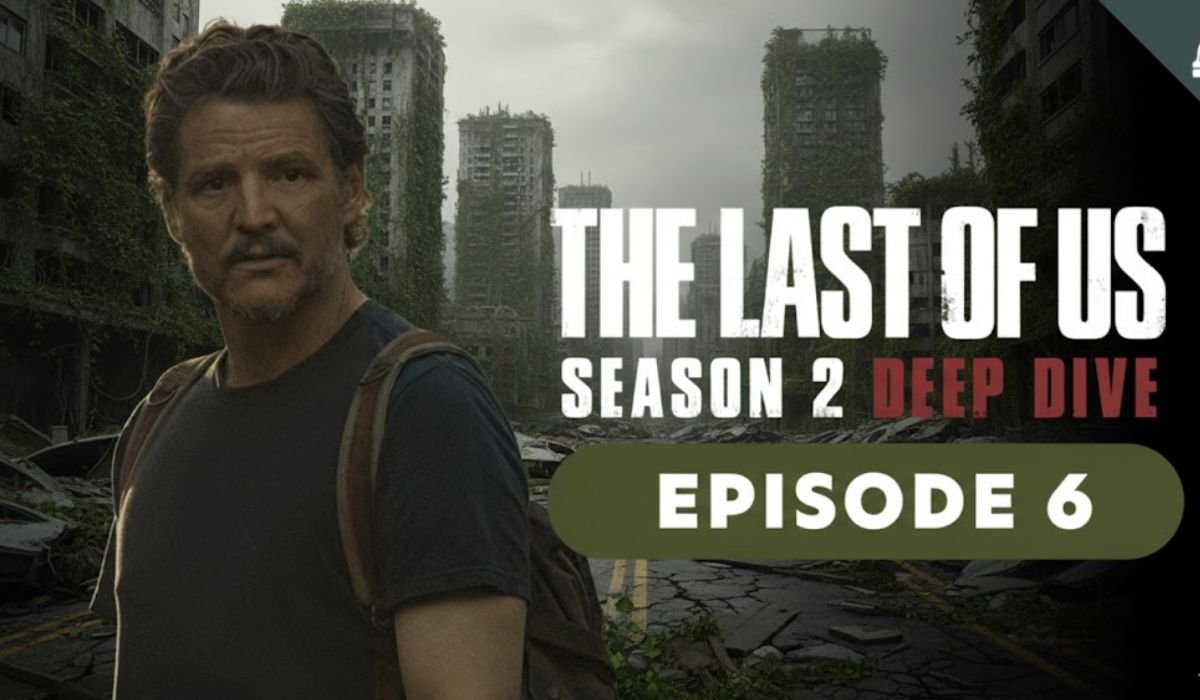
Remember that gut-wrenching moment at the end of the first season, when Joel’s choice hung in the air like a storm cloud? Well, five years later in the story, those clouds have burst, and the fallout is messy, emotional, and downright brutal. HBO’s adaptation of Naughty Dog’s hit franchise picks up right where the moral ambiguities left off, thrusting us back into a world overrun by the Cordyceps infection. If you’re a fan who’s been replaying The Last of Us Part II or binge-watching the original episodes, this season feels like a natural evolution, even if it doesn’t always hit the same highs.
It’s hard to talk about The Last of Us Season 2 without spoiling the ride, but let’s just say it explores the cost of survival in ways that make you question everything. Set in the relative safety of Jackson Wyoming at first, the narrative quickly spirals into darker territories, introducing new faces like Abby and Dina who shake up the dynamics between Joel and Ellie. Honestly, you might not know this, but the way the show balances quiet character moments with intense action sequences reminds me of those late-night gaming sessions where one wrong move changes everything.
Table of Contents
- What to Expect from the Plot
- Key Cast Additions and Performances
- How It Adapts The Last of Us Part II
- Filming Locations That Bring the Apocalypse to Life
- Episode Count and Structure
- Critical Reception: Hits and Misses
- FAQ
- Wrapping It Up
What to Expect from the Plot
The Last of Us Season 2 jumps ahead five years after the events of Season 1, landing us in a somewhat stable community in Jackson Wyoming. Joel, played with that signature gruff charm by Pedro Pascal, and Ellie, embodied by the ever-impressive Bella Ramsey, have tried to build a life amid the ruins. But peace in a post-apocalyptic world ravaged by the Cordyceps infection? That’s about as stable as a house of cards in a windstorm.
Enter new conflicts that pull them apart. The season introduces factions like the Washington Liberation Front (WLF) and the Seraphites, turning the story into a web of revenge, loyalty, and moral gray areas. Abby, a key new character, brings a fresh perspective that challenges everything we thought we knew about heroes and villains. And Dina, Ellie’s close friend, adds layers of emotional depth, exploring relationships in a way that’s raw and real. The HBO adaptation, helmed by Craig Mazin and Neil Druckmann, stays true to the spirit of the game while making tweaks for TV pacing. You know, sometimes those changes work wonders, like adding more backstory to side characters, but other times they feel a bit rushed.
Let’s break that down a little. The fungal pandemic still looms large, with infected lurking in every shadow, but the real monsters here are the humans. Themes of forgiveness and vengeance clash head-on, especially as the narrative shifts focus midway. If you’ve played the game, you’ll spot nods to iconic moments, but the show isn’t afraid to remix them. For instance, the introduction of spores—absent in Season 1—adds a new layer of tension, making every breath feel risky. Well, that’s one way to keep viewers on edge.
In my experience covering adaptations, this season nails the emotional weight. It’s not just about surviving clickers or runners; it’s about the toll on the soul. Gustavo Santaolalla’s haunting score returns, amplifying those quiet, heartbreaking scenes. You might find yourself pausing to catch your breath after an episode, wondering how far you’d go for the people you love.
Key Cast Additions and Performances
The returning stars shine, but the fresh faces steal scenes. Pedro Pascal’s Joel carries the burden of his past choices with a weary intensity that’s captivating. Bella Ramsey as Ellie evolves from wide-eyed survivor to someone hardened by loss, delivering lines with a vulnerability that’s hard to shake.
Now, the big additions: Kaitlyn Dever steps into the role of Abby, the Abby actress everyone’s been buzzing about. She’s a soldier with a black-and-white worldview that’s shattered by her quest for vengeance. Dever brings a physicality and emotional range that fits perfectly, even if some fans debated the casting early on. Isabela Merced as Dina is a standout, portraying Ellie’s friend with warmth and grit. Their chemistry feels authentic, grounding the story in human connections amid the chaos.
Other cast additions include Young Mazino as Jesse, adding a layer of camaraderie and conflict, and Catherine O’Hara in a guest role that brings unexpected depth. Jeffrey Wright as Isaac, leader of the WLF, commands the screen with quiet menace. These performers elevate the material, making the HBO adaptation feel alive. Some experts disagree on whether the new arcs overshadow the originals, but here’s my take: they enrich the world without overwhelming it.
How It Adapts The Last of Us Part II
Adapting a game as beloved as The Last of Us Part II is no small feat. The season covers the first half of the game, blending faithful recreations with creative liberties. Craig Mazin and Neil Druckmann, the creative duo behind it, aimed to honor Naughty Dog’s vision while making it work for TV.
Differences between The Last of Us Season 2 and the game are subtle but impactful. For starters, the show includes spores, which were omitted in Season 1 for practical reasons. This adds horror elements that heighten suspense. Pacing shifts too: the game’s non-linear flashbacks are streamlined into a more chronological flow, though some key moments—like Ellie’s encounters with the Seraphites—are condensed.
In the game, exploration feels vast, with stealth and combat defining gameplay. The show translates this into visceral action sequences, but without the interactivity, it leans more on dialogue and character beats. Abby’s storyline, for example, gets a slower build, allowing Dever to flesh out her motivations. Some changes, like expanding Dina’s role early on, feel like smart tweaks for emotional payoff.
To illustrate, here’s a quick comparison table of key elements:
| Aspect | The Game (Part II) | Season 2 |
| Episode/Chapter Count | ~25 hours of gameplay | 7 episodes |
| Key Factions | WLF and Seraphites introduced mid-game | Integrated from early episodes |
| Infected Encounters | Frequent, player-controlled | Fewer, but more cinematic |
| Moral Themes | Explored through dual perspectives | Emphasized via added dialogues |
| Cliffhanger | Mid-game twist | Dramatic season end setting up Season 3 |
Pros of the adaptation: Stunning visuals and performances make it immersive. Cons: The shorter runtime means some side stories get trimmed, which might frustrate purists. Overall, it’s a solid bridge, but you can tell it’s setting up for more seasons.
Filming Locations That Bring the Apocalypse to Life
Ever wonder how they make a fungal apocalypse look so real? The Last of Us Season 2 filming locations span British Columbia and Alberta, with Vancouver standing in for Seattle’s ruins. The team used over 60 spots, from urban streets to wilderness trails, to capture that eerie, overgrown vibe.
Jackson Wyoming scenes were shot in Canmore, Alberta, transforming the town into a fortified haven. For the WLF’s territory, Vancouver’s downtown and Nanaimo provided the gritty urban decay. Think abandoned subways and foggy forests—perfect for ambushes by infected or rival groups. A fun tangent: some sequences involved real snowstorms, adding authenticity that CGI couldn’t match.
These choices ground the fantasy in reality, making the Cordyceps infection feel tangible. If you’re planning a trip, visiting these Canadian spots could give you a behind-the-scenes thrill, though minus the clickers.
Episode Count and Structure
Curious about the Last of Us Season 2 episode count? It’s seven episodes, down from nine in Season 1. This tighter structure focuses on core conflicts, with runtimes varying from 50 to 70 minutes. Episodes air Sundays on HBO, starting April 13, 2025, and ending May 25.
The format allows for deeper dives into character psyches, but some feel it rushes the narrative. Still, each installment builds tension, culminating in a cliffhanger that teases future chaos.
Critical Reception: Hits and Misses
Reception for The Last of Us Season 2 has been strong but mixed. Rotten Tomatoes sits at 92%, with critics praising the “thorny moral questions” and “superb performances.” Metacritic scores it 81, calling it “universal acclaim.” Fans of the games appreciate the nods, but some criticize the pacing as “incomplete” or the script as “poorly written.”
IGN notes it’s “good but not a patch on the source material,” while Nerdist calls it “nearly perfect but feels incomplete.” Viewer ratings hover around 7-8/10, with debates on whether it captures the game’s horror essence. In a world of adaptations, this one stands out, even if it doesn’t eclipse the original.
FAQ
- What is the Last of Us Season 2 release date?
- It premiered on April 13, 2025, with episodes dropping weekly until May 25.
- Who are the Last of Us Season 2 cast additions?
- Newcomers include Kaitlyn Dever as Abby, Isabela Merced as Dina, and Young Mazino as Jesse.
- Who plays Abby in The Last of Us Season 2?
- Kaitlyn Dever takes on the role, bringing a fresh take to the character’s vengeance-driven arc.
- What are the differences between The Last of Us Season 2 and the game?
- The show includes spores, streamlines flashbacks, and condenses some events due to the seven-episode format.
- Where were The Last of Us Season 2 filming locations?
- Primarily in British Columbia, with Vancouver as Seattle and Alberta for Jackson.
- How many episodes in The Last of Us Season 2?
- There are seven episodes, focusing on the first half of Part II.
- Will there be a Season 3?
- Yes, HBO renewed it before Season 2 aired, likely covering the rest of the game.
Wrapping It Up
The Last of Us Season 2 delivers a compelling continuation, blending heart-pounding action with soul-searching drama. It’s not without flaws—the shorter season leaves some threads dangling—but the performances and production quality make it a must-watch for fans. As we wait for Season 3, expected in 2027, I can’t help but wonder: in a world like this, who really survives unscathed? If you’re hooked, dive back into the games or rewatch Season 1. What’s your take on the changes—hit or miss?
 Arthur