

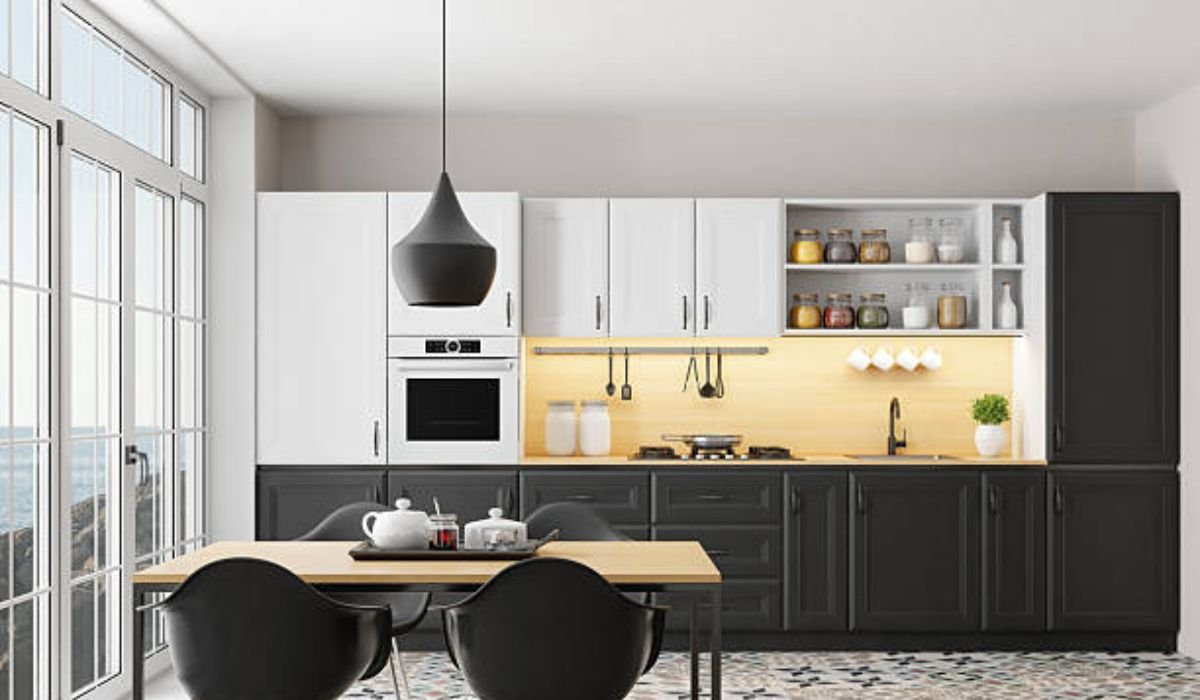
Struggling with a cramped kitchen where every step feels like a dance around clutter? You’re not alone: many homeowners face inefficient spaces that turn meal prep into a hassle. This guide dives into the 5 kitchen layouts that work best, offering practical solutions tailored to various spaces and budgets. Whether you’re renovating a tiny apartment or a spacious family home, understanding these designs can transform your cooking area into a functional haven. We’ll explore each layout’s strengths, how they incorporate the essential kitchen work triangle, and tips to match them to your lifestyle, ensuring ergonomic flow and smart storage.
- Research suggests the galley layout excels in small spaces for its efficiency, though it may feel tight for multiple cooks.
- L-shaped designs offer versatility for medium homes, balancing openness with functionality, but require careful planning to avoid wasted corners.
- U-shaped kitchens provide maximum workspace, ideal for avid cooks, yet they can make larger rooms feel enclosed without an open-concept twist.
- Peninsula layouts bridge efficiency and sociability, suiting budgets under $30,000, while acknowledging potential traffic flow issues in narrow areas.
- Island configurations promote family interaction, leaning toward higher costs, but evidence shows they enhance resale value in modern homes.
Key Features of Effective Kitchen Designs
Every successful kitchen starts with core principles like the kitchen work triangle, connecting the sink, stove, and refrigerator for smooth workflow. Aim for 4 to 9 feet between each point to minimize steps. Consider functional prep zones too, such as dedicated areas for chopping or baking, to boost efficiency.
Budget and Space Considerations
Galley kitchens often fit budgets around $15,000 to $25,000, perfect for compact areas. Larger layouts like islands may range from $30,000 upward, depending on materials. Always factor in your home’s footprint to avoid overcommitting.
Getting Started on Your Renovation
Assess your needs: do you cook for crowds or prefer quick meals? Sketch your space and consult pros for personalized advice.
Imagine stepping into a kitchen where everything flows effortlessly, from grabbing ingredients to plating dinner. For homeowners planning renovations, the right layout can make all the difference in daily life. This comprehensive guide explores the 5 kitchen layouts that work best, drawing on expert insights from sources like HGTV and Houzz. We’ll break down each design’s mechanics, pros, cons, and real-world applications, while weaving in essentials like the kitchen work triangle and ergonomic kitchen design. Whether you’re a DIY enthusiast or hiring pros, these actionable tips will help optimize your space without breaking the bank.
Understanding the Kitchen Work Triangle: The Foundation of Efficiency
The kitchen work triangle is a timeless design principle that positions the sink, refrigerator, and stove as three points of a triangle, ideally 4 to 9 feet apart each, with a total perimeter of 13 to 26 feet. This setup minimizes unnecessary movement, making cooking safer and faster. Developed in the 1940s by the University of Illinois, it stems from efficiency studies and remains relevant today, even in open-concept spaces.
Why does it matter? In busy households, poor placement can lead to frustration, like crossing the room mid-recipe. For example, in a family kitchen, aligning these zones reduces collisions during meal prep. Modern twists include adding secondary triangles for islands or prep sinks, enhancing functional prep zones. If your current setup feels off, measure your triangle: adjustments as simple as relocating appliances can transform usability.
Experts from the National Kitchen and Bath Association emphasize no major traffic should cross the triangle, and islands shouldn’t interrupt by more than 12 inches. This ensures appliance workflow stays seamless. For those with mobility needs, wider clearances (at least 42 inches) promote accessibility.
1. Galley Kitchen: Streamlined Efficiency for Compact Spaces
Named after ship kitchens, the galley layout features two parallel walls of cabinets and counters, creating a narrow corridor. It’s one of the kitchen layouts that work best for small spaces, often under 100 square feet, where every inch counts.
Pros include top-notch efficiency: the galley kitchen efficiency shines with everything within arm’s reach, adhering perfectly to the kitchen work triangle. It’s budget-friendly, with average costs around $15,000 to $25,000 for a basic remodel, per data from remodeling sites like Angi. Storage is maximized vertically, using open shelving to avoid clutter.
Cons? It can feel cramped for multiple cooks, as doors and traffic might clash in aisles under 48 inches wide. Resale value may dip compared to open designs, according to Houzz pros. To mitigate, opt for light colors and reflective surfaces to open up the space visually.
Ideal for: Apartments or solo dwellers. A real-world tip: In a 7-foot-wide galley, place the sink and stove on one side, fridge opposite, for optimal flow. For modern flair, incorporate pull-out pantries, a trend in 2025 for space-saving.
| Aspect | Details |
| Space Suitability | Small (under 100 sq ft) |
| Budget Range | $15,000 – $25,000 |
| Pros | High efficiency, low cost |
| Cons | Limited for groups, feels narrow |
2. L-Shaped Kitchen: Versatile Flow for Everyday Living
The L-shaped floor plan uses two adjacent walls, forming an “L” that opens to the rest of the home. This design excels in medium spaces, around 100 to 200 square feet, blending L-shaped floor plan openness with practicality.
Advantages: It supports excellent countertop clearance, often 42 to 48 inches, and easily accommodates an island for extra prep space. Costs typically fall between $20,000 and $35,000, making it accessible for families. The layout promotes open-concept kitchen vibes, ideal for entertaining while cooking.
Drawbacks include underused corner spaces, which can waste storage without lazy Susans or pull-outs. In larger rooms, the kitchen work triangle might stretch too far, increasing steps. Experts suggest adding a corner sink to tighten the triangle.
Best for: Growing families or entertainers. Pro tip: Pair with a small island for kitchen island flow, enhancing sociability. Recent innovations, like integrated smart appliances, fit seamlessly here, as noted in 2025 trends from Better Homes & Gardens.
READ ALSO: 10 Renovation Mistakes to Avoid
| Aspect | Details |
| Space Suitability | Medium (100-200 sq ft) |
| Budget Range | $20,000 – $35,000 |
| Pros | Open feel, versatile |
| Cons | Corner waste, potential sprawl |
3. U-Shaped Kitchen: Maximum Workspace for Serious Cooks
Enclosing three walls, the U-shaped layout (or horseshoe) offers abundant storage and counters, suiting spaces over 150 square feet. It’s among the kitchen layouts that work best for avid bakers or chefs needing cabinetry placement options.
Strengths: Ample room for functional prep zones, with costs from $25,000 to $45,000. The enclosed design keeps the kitchen work triangle compact, reducing fatigue. It’s storage heaven, with room for appliances like under-counter fridges.
Limitations: Can feel boxed in without windows or openings, and it’s pricier due to more materials. In small homes, it might overwhelm the space. To open it up, remove one wall for a peninsula hybrid.
Suited to: Large households. Example: Place the stove on the base, sink and fridge on sides for ideal workflow. Trends include prefabricated modules for quicker installs, cutting labor costs.
| Aspect | Details |
| Space Suitability | Large (over 150 sq ft) |
| Budget Range | $25,000 – $45,000 |
| Pros | Tons of storage, efficient |
| Cons | Enclosed feel, higher cost |
4. Peninsula Kitchen: Hybrid Design for Connected Spaces
Extending from a wall or cabinets, the peninsula adds a counter “arm” to L- or U-shapes, perfect for 120 to 180 square feet. It bridges choosing between U-shaped and L-shaped kitchens, offering bar seating.
Benefits: Enhances appliance workflow with added prep area, at budgets of $20,000 to $40,000. It’s great for open flow, allowing cooks to interact with guests.
Downsides: Can block pathways if not sized right (aim for 36-inch aisles). Less flexible than islands for full circulation.
For: Homes needing casual dining. Tip: Use for a secondary sink to create dual triangles. 2025 sees peninsulas with built-in charging for multifunctional use.
| Aspect | Details |
| Space Suitability | Medium-large (120-180 sq ft) |
| Budget Range | $20,000 – $40,000 |
| Pros | Social, added seating |
| Cons | Potential blockage, less open |
5. Island Kitchen: The Ultimate Social and Functional Hub
Centered around a freestanding island, this layout thrives in open areas over 200 square feet, incorporating sinks or cooktops for dynamic kitchen island flow.
Pros: Boosts interaction and storage, with costs $30,000 to $50,000 or more. Islands create ergonomic kitchen design by serving as prep hubs.
Cons: Requires ample space (at least 42-inch clearances), and plumbing adds expense. Not for tight budgets or small homes.
Ideal for: Entertaining families. Modern tip: Integrate appliances like dishwashers, a 2025 staple for efficiency.
| Aspect | Details |
| Space Suitability | Large (over 200 sq ft) |
| Budget Range | $30,000 – $50,000+ |
| Pros | Social, multifunctional |
| Cons | Space-hungry, costly |
Factors to Consider: Space, Budget, and Lifestyle
When selecting from these kitchen layouts that work best, evaluate your home’s footprint: measure walls and traffic paths. Budget-wise, factor materials (stock cabinets at $100-$300/linear foot) versus labor. Lifestyle matters: families might prefer islands for most efficient kitchen layouts for families, while singles opt for galleys.
Internal link: Check our guide on How to Plan Your Kitchen Remodel for more.
Budget Breakdown: Costs Across Layouts
Costs vary by scope, but here’s a 2025 overview from sources like Sweeten and Angi:
| Layout | Minor Remodel ($10k-20k) | Major Remodel ($30k+) | Key Factors |
| Galley | $12,000-18,000 | $25,000-35,000 | Minimal plumbing changes |
| L-Shaped | $15,000-22,000 | $30,000-40,000 | Corner optimizations |
| U-Shaped | $18,000-25,000 | $35,000-50,000 | More cabinetry |
| Peninsula | $16,000-23,000 | $32,000-45,000 | Extension materials |
| Island | $20,000-28,000 | $40,000-60,000 | Plumbing/electrical |
External link: For standards, visit NKBA.org on kitchen planning.
Common Pitfalls to Avoid
Don’t ignore clearances: under 36 inches leads to bumps. Skipping the triangle stretches workflows. Overlooking lighting dims modern kitchen layout design tips. Always test layouts with tape on floors.
Emerging Trends in Kitchen Layouts
2025 highlights multifunctional islands with smart tech, sustainable materials like recycled counters, and hybrid designs blending kitchen layouts that work best with an island. Open-concepts dominate, per Houzz reports.
In wrapping up, these 5 kitchen layouts that work best offer tailored solutions: galleys for efficiency, L-shapes for balance, U-shapes for storage, peninsulas for connection, and islands for sociability. Key costs range from $15,000 for basics to $50,000+ for luxuries, with DIY options saving 20-30%. Consult a professional designer for a custom plan that fits your space perfectly.
YOU MAY ALSO LIKE: Types of Flooring Materials: A Complete Guide for 2026
 Arthur