

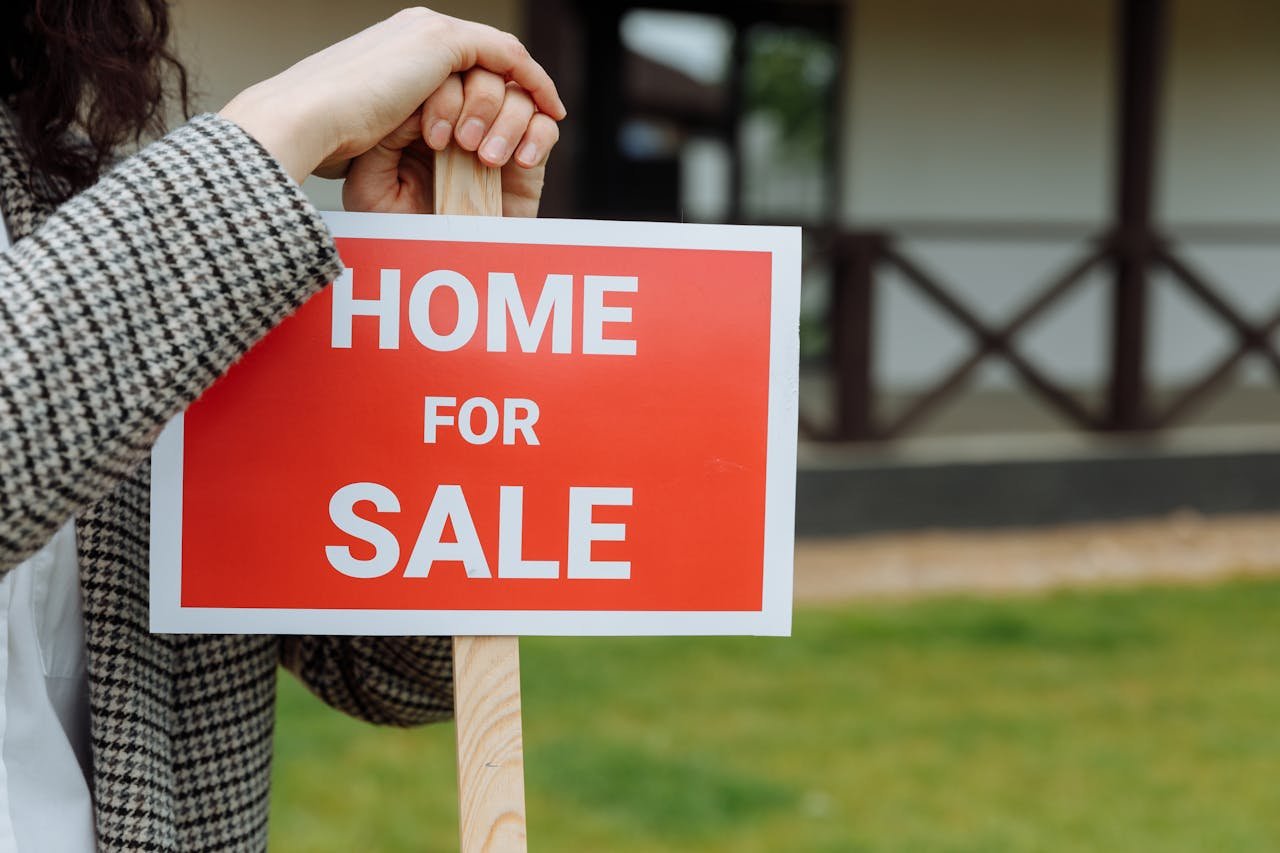
Owning a home can be a source of pride and financial security, but leaving a house vacant comes with hidden risks. Empty homes are more than just unused space, as they can become expensive liabilities. From structural wear to declining market appeal, a vacant property can lose value over time if it is not properly maintained or monitored. Homeowners looking to sell their house fast should understand these risks to protect their investment and make informed decisions.
The Real Costs of Owning a Vacant Property
Owning a vacant home comes with more than just the stress of leaving a property empty. The costs go beyond the mortgage and can add up quickly if the home is not properly maintained. These costs fall into three main categories:
1. Financial Burden
Even when empty, expenses continue. Property taxes, homeowners’ insurance, utilities, and security costs accumulate over time. Minor maintenance issues can escalate, reducing the financial benefits of owning the property.
2. Physical Damage
Vacant homes are more vulnerable to deterioration. Plumbing leaks, roof damage, and foundation cracks can go unnoticed. Mold, pests, and general wear can worsen without regular inspections, lowering the home’s value.
3. Security Risks
Empty homes are targets for theft, vandalism, and squatting. Break-ins or property damage can occur, and homeowners may be liable if someone is injured. Security measures help but add costs, and the longer a home is empty, the higher the risks.
How Vacant Homes Lose Market Value Over Time
Vacant homes often lose value, even without obvious signs of damage. Beyond structural issues, several factors can gradually reduce a property’s market appeal and overall investment worth.
Perception and buyer psychology
- Buyers may see empty homes as neglected or higher risk.
- A property that looks unoccupied can feel less inviting, lowering buyer interest and offers.
Market competitiveness
- Homes left empty for extended periods often compare unfavorably to well-maintained, occupied properties nearby.
- Even if the house is structurally sound, its market positioning can weaken, making it harder to sell at full value.
Cumulative effects of neglect
- Minor, unnoticed issues such as small leaks, fading paint, or exterior wear can accumulate over time.
- These small declines, though subtle, reduce the perceived quality and attractiveness of the property.
Financial implications
- Vacant homes can remain on the market longer, forcing homeowners to lower prices or accept smaller offers.
- Over time, these factors accelerate depreciation and can cause a property to sell for less than its potential value.
Key takeaway: Even without obvious damage, a vacant home can steadily lose value due to buyer perception, market comparisons, and the accumulation of minor issues. Understanding these factors sets the stage for recognizing the warning signs that the home’s value is at risk.
Warning Signs Your Vacant Home Is at Risk of Losing Value
Owning a vacant home comes with hidden risks, and spotting warning signs early can protect your investment and prevent costly value loss.
- Unrepaired minor damage, such as leaking faucets, broken windows, or peeling paint that gets worse over time
- Increasing maintenance or utility bills without visible improvements to the property
- Exterior deterioration, including roof wear, siding damage, or overgrown landscaping
- Pest infestations like rodents, insects, or birds are taking up residence
- Extended periods of vacancy with little or no inspections or property monitoring
- Evidence of vandalism or break-ins indicating security risks
- Declining curb appeal that makes the home look neglected to potential buyers
Recognizing these red flags early allows homeowners to take proactive steps, whether through maintenance, monitoring, or selling to a cash buyer, to protect their property value before it declines further.
How Selling to a Cash Buyer Can Protect Your Investment
Selling a vacant home to a cash buyer can be one of the smartest ways to protect your property’s value. Cash buyers provide a fast, convenient, and low-risk solution for homeowners, especially when a property is unoccupied or starting to lose value. Here are several key benefits broken into subheadings:
1. Fast and Hassle-Free Sale
Cash buyers can close in days rather than months, unlike traditional sales. This speed eliminates prolonged vacancy, reduces ongoing expenses, and minimizes the risk of further damage or deterioration to the property.
Read Also: How to Stage Your Home for a Quick Sale
2. Sell As-Is Without Repairs
One of the biggest advantages is that repairs or updates are not required. Cash buyers purchase homes as-is, helping homeowners sell their houses quickly and without stress.
3. Avoid Ongoing Expenses
Selling quickly to a cash buyer stops the accumulation of property taxes, utilities, insurance, and maintenance costs. By removing the financial burden of a vacant property, you protect your investment and prevent long-term value loss.
4. Reduce Risk of Depreciation and Damage
A fast sale reduces exposure to further physical damage, vandalism, and market-related depreciation. By transferring ownership quickly, you avoid the risks vacant homes face and preserve the financial value you have invested.
5. Simplified Process with Certainty
Cash buyers provide a predictable and straightforward process. Homeowners avoid extended negotiations, inspection delays, or last-minute financing issues. This certainty ensures they can sell their house fast without surprises.
Protect Your Home’s Value Before It Declines
Vacant homes can face hidden costs, structural issues, and security risks that steadily reduce their value. Acting early with regular maintenance, inspections, and monitoring is the best way to safeguard your investment. Bridgehaven Homes provides homeowners with fast, reliable solutions to sell their property, helping preserve its value and avoid unnecessary losses.
Frequently Asked Questions
Can a vacant home affect my homeowner’s insurance coverage?
Yes. Many policies limit coverage for unoccupied homes or increase premiums if a property is empty for extended periods.
How often should I check on a vacant property?
At least once a month, to spot maintenance issues, pests, or security concerns early.
Are there maintenance steps to slow down value loss?
Yes. Winterize plumbing, service HVAC, maintain landscaping, and schedule regular inspections.
Is it better to rent out a vacant home?
Renting can generate income but introduces tenant risks, such as damage or non-payment.
What is the impact of neighborhood trends on a vacant home’s value?
Nearby vacancies or declining demand can accelerate property value loss, even if your home is well-maintained.
Can professional property management help protect a vacant home?
Yes. Property managers can monitor, maintain, and secure the home, reducing risks and preserving value.
You May Also Like: The Buyer’s Edge: Why You Need Luxury Real Estate Advisors in Milan
 Arthur
  Admin
Admin