

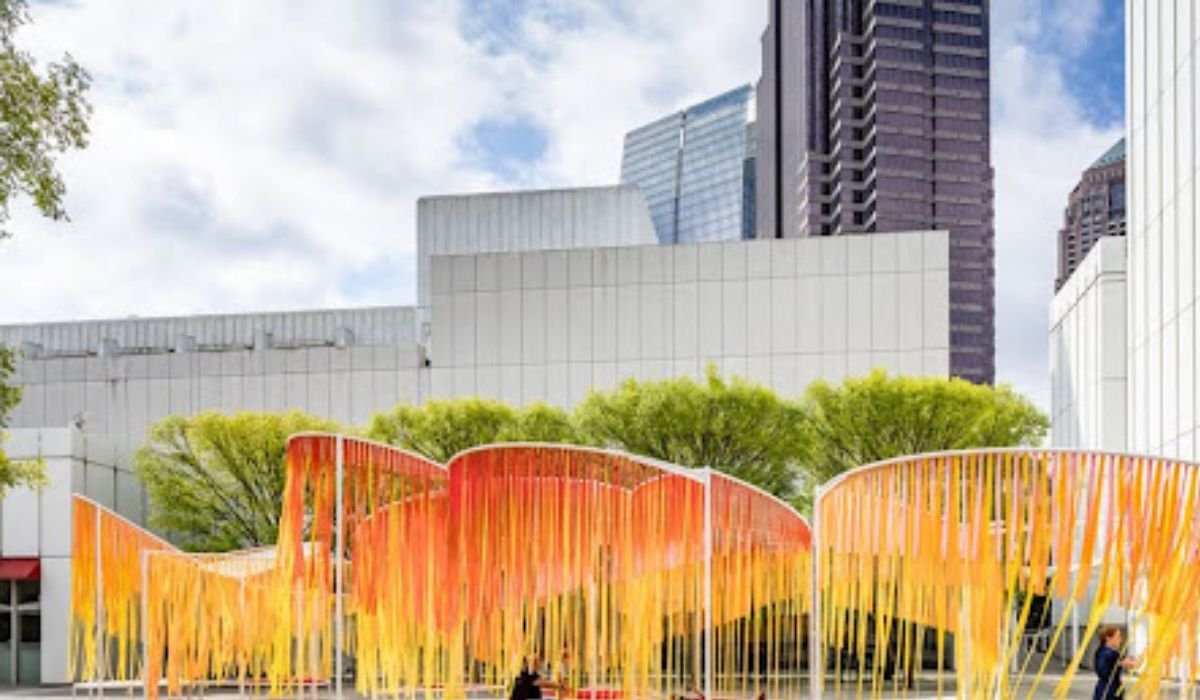
Imagine strolling through a bustling city square, where a once-drab concrete expanse now pulses with vibrant murals and interactive sculptures that draw people together. This isn’t just decoration—it’s a catalyst for change. In cities worldwide, contemporary art in public urban spaces is reshaping how we experience our environments, fostering connections and sparking innovation. This global guide dives into the multifaceted value of such art, from urban revitalization to civic engagement. Whether you’re an urban planner eyeing community development or a resident passionate about cultural vibrancy, you’ll discover how integrating art into urban infrastructure can transform landscapes. We’ll explore benefits, trends, examples, and practical insights to inspire action in your own city.
What is Contemporary Art in Public Urban Spaces?
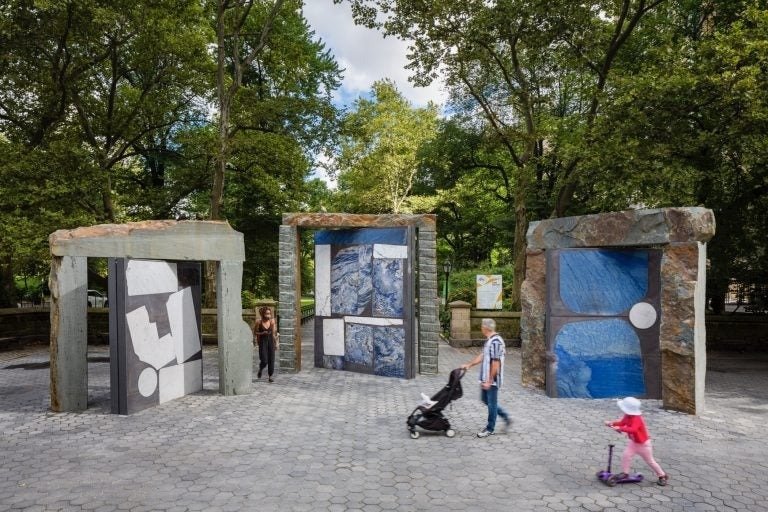
Contemporary art in public urban spaces refers to artworks created specifically for outdoor, accessible areas like parks, streets, and plazas. Unlike traditional gallery pieces, these works often respond directly to their surroundings, blending with architecture and daily life.
Think of site-specific installations that can’t be relocated without losing meaning— they’re designed for a particular spot, drawing on local history or environment. For instance, murals might reflect neighborhood stories, while interactive sculptures invite touch and participation.
This art form bridges cultural identity and modern expression, using materials from recycled metals to digital projections. It’s not just visual; it engages senses and communities, making cities more dynamic.
Benefits of Contemporary Art in Public Urban Spaces
The benefits of contemporary art in public urban spaces extend far beyond aesthetics. It humanizes concrete jungles, turning anonymous areas into welcoming hubs that boost well-being.
Public art invigorates spaces, providing intersections between past and future. It enhances quality of life by improving safety and equity in neighborhoods.
Moreover, it fosters placemaking, where art creates a sense of belonging. Residents feel pride in their surroundings, leading to stronger social ties.
Economically, these installations attract tourists and investments, sparking local growth. Imagine a mural drawing crowds to nearby cafes— that’s real impact.
Art also promotes environmental sustainability by using eco-friendly materials or highlighting climate issues, educating passersby subtly.
In essence, it bridges divides, encouraging dialogue in diverse urban settings.
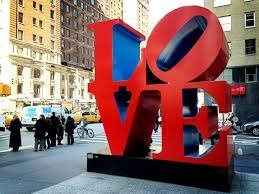
How Public Art Transforms City Landscapes
Ever wondered how public art transforms city landscapes? It starts by injecting color and form into gray zones, revitalizing neglected areas.
Take street murals—they can turn derelict walls into vibrant canvases, boosting foot traffic and community spirit.
Sculptures and installations redefine spaces, like turning a traffic median into a landmark that slows cars and invites reflection.
This transformation isn’t random; it’s strategic. Art integrates with architectural integration, blending seamlessly with buildings to enhance flow.
In small towns, budget-friendly projects foster identity and attract visitors. Larger cities use it for regeneration, creating cultural destinations.
Digital elements, like projections, add layers, making nights alive with stories.
Ultimately, it shifts perceptions—from utilitarian to inspiring—making cities more livable.
The Role of Public Art in Urban Planning
What role does public art play in urban planning? It’s a vital tool for creating inclusive, vibrant cities.
Planners use art to build narratives and community bonds, going beyond functionality.
It activates underused spaces, improving safety and well-being through community input.
In design processes, art reflects values, fostering belonging and economic growth.
Consider how murals enhance street vitality, adding cultural ambiance.
It encourages participation, letting residents shape their environments.
For policymakers, integrating art means prioritizing equity and sustainability in blueprints.
This approach turns plans into lived experiences, enriching urban fabric.
Community-Driven Contemporary Art Projects
Community-driven contemporary art projects empower locals to co-create, ensuring relevance and ownership.
These initiatives often involve workshops, discussions, and collaborative making.
For example, social practice art focuses on people as the medium, addressing issues like activism.
Projects like mini murals build pride and spark joy in neighborhoods.
Artists facilitate, collapsing boundaries between creator and audience.
Such efforts raise awareness, from environmental causes to social justice.
In museums, community arts draw on collections for stop-motion films reflecting local stories.
These projects strengthen ties, making art a tool for change.
Economic Impact of Urban Art Installations
The economic impact of urban art installations is profound, driving growth and sustainability.
Murals can boost property values by over 200% in revitalized areas.
They attract tourists, increasing spending at local businesses and creating jobs.
Public art generates tax revenue and stimulates commerce by turning spaces into destinations.
It fosters a creative climate, aiding decision-making for investments.
Iconic works draw visitors, enhancing foot traffic and cultural value.
Overall, art contributes to long-term economic vitality in communities.
READ ALSO: Architecture of Urban Landscapes: The Blueprint for Better Cities
Contemporary Public Art Trends in 2025
Contemporary public art trends in 2025 emphasize immersion and purpose.
Immersive experiences blend digital and physical, like AR murals.
Sustainability shines, with eco-materials and climate-focused works.
Community connections grow through pop-ups and grassroots efforts.
Cultural fusion and decolonial narratives reclaim spaces.
Art in transit hubs and real estate integrates seamlessly.
Senior artists gain spotlight for longevity.
These trends make art more accessible and impactful.
Challenges of Maintaining Public Art in Cities
Maintaining public art in cities presents hurdles like funding shortages and vulnerability.
Sparse artworks lack critical mass, diminishing impact.
Political precariousness threatens programs.
Legal issues arise over relocation or alteration.
Aging collections demand more resources for upkeep.
Many cities lack dedicated maintenance funds.
Controversies can spark, but offer engagement opportunities.
Modern materials pose conservation challenges.
Global Examples of Site-Specific Installations
Global examples of site-specific installations showcase art’s power.
In New York, The Gates featured orange fabric gates in Central Park.
Chicago’s Cloud Gate reflects the skyline uniquely.
Japan’s Naoshima islands host immersive works.
Olafur Eliasson’s Tate installations play with light.
Jason deCaires Taylor’s underwater sculptures in Grenada.
MIT’s campus art integrates tech and environment.
France’s Marseille sculptures add whimsy.
These inspire public commissions worldwide.
For more on urban design, see Integrating Art in City Planning. External: Americans for the Arts on Public Art.
A Step-by-Step Guide to Integrating Art into Urban Infrastructure
Ready to act? Here’s a practical guide.
- Assess needs: Survey community for themes.
- Engage stakeholders: Involve planners, artists, residents.
- Secure funding: Seek public commissions or grants.
- Design site-specifically: Tailor to location.
- Install with care: Ensure durability.
- Maintain: Plan for upkeep.
- Evaluate: Measure impact on civic engagement.
Avoid pitfalls like ignoring context— it leads to disconnection.
Innovations like prefabricated elements speed processes.
Pro tip: Start small with interactive art for quick wins.
This approach ensures lasting value.
Contemporary art in public urban spaces offers immense benefits, from economic boosts to cultural enrichment. Key takeaways include its role in urban revitalization and placemaking. Despite challenges like maintenance, trends toward sustainability promise exciting futures. Urban planners, take the leap—commission a project today to weave art into your city’s fabric. Consult local curators or visit Public Art Resources for inspiration and transform your community.
YOU MAY ALSO LIKE: Is Urban Regeneration Just a Polite Word for Gentrification?
 IQnewswire