

Have you ever turned a corner in your city and been stopped in your tracks by a massive, colorful mural that seems to leap off the wall? That unexpected burst of creativity is more than just paint on concrete: it is a reflection of the pulsing heart of urban life. In this article, we explore street art and urban culture, tracing its roots from rebellious tags in subway tunnels to global phenomena that shape communities. Whether you are an art enthusiast wandering city streets or a community organizer looking to spark change, this deep dive will educate you on the evolution of street art and inspire you to view your urban environment as a living canvas for social and cultural expression. From graffiti art origins to modern muralism, we will uncover how these vibrant forms influence public space, drive social commentary, and foster cultural expression.
The Evolution of Street Art: From Underground Roots to Global Phenomenon
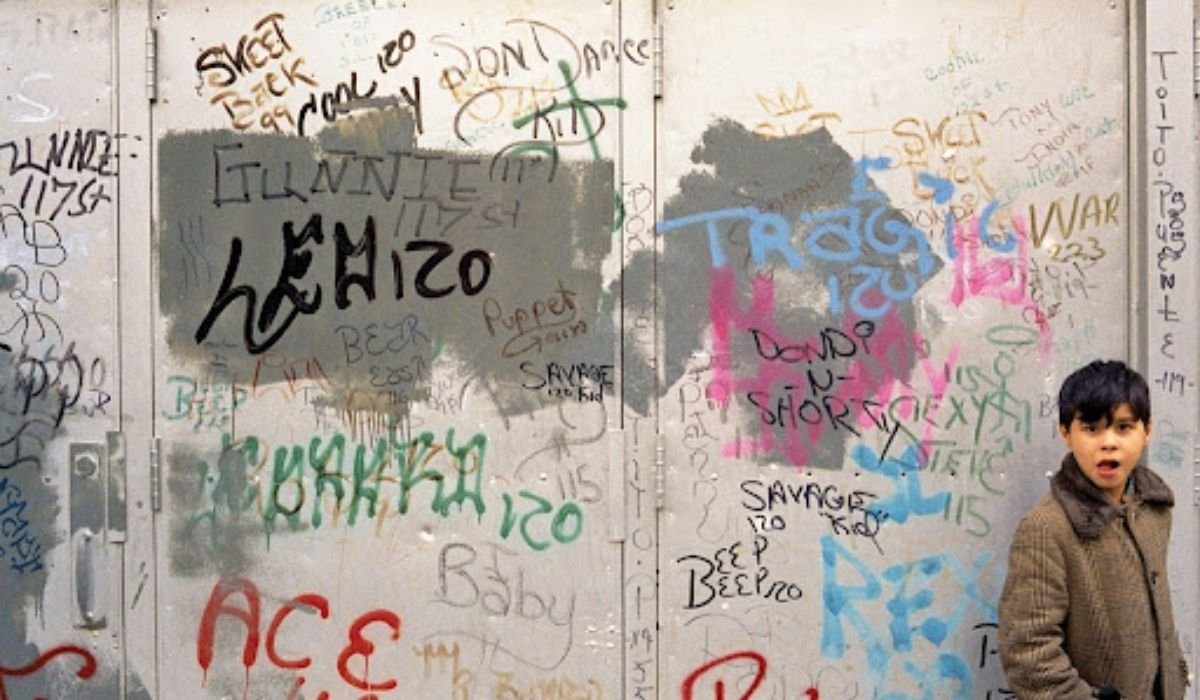
Street art did not start in galleries or museums. It emerged from the gritty streets of New York City in the 1960s and 1970s, where young people used spray cans to claim space in a chaotic urban world. Think of it as a voice for the voiceless, born amid economic struggles and social unrest.
Early graffiti art began as simple tags, signatures scrawled on walls and trains to mark territory or gain fame. In Philadelphia, artists like Cornbread pioneered this in the late 1960s, but New York became the epicenter. By the 1970s, graffiti intertwined with hip-hop culture, including breakdancing and rap, turning subway cars into moving canvases. Artists competed in “style wars,” pushing boundaries with bold letters and colors.
As the 1980s arrived, figures like Keith Haring and Jean-Michel Basquiat bridged the gap to mainstream art. Haring’s chalk drawings in subways addressed AIDS and LGBTQ+ rights, while Basquiat’s SAMO tags critiqued society. This shift marked street art’s move from vandalism to respected form.
Fast forward to today, and street art is everywhere. From Banksy’s satirical stencils in London to massive murals in São Paulo, it has gone global. The 21st century brought digital tools, allowing artists to plan intricate works and share them online. What was once fringe is now celebrated in festivals and museums.
But why does this evolution matter? It shows how street art and urban culture adapt, reflecting societal changes while influencing them.
Key Milestones in Street Art History
- 1960s: Tagging emerges in Philadelphia and New York as self-expression.
- 1970s: Graffiti booms with hip-hop, covering trains in vibrant styles.
- 1980s: Artists like Haring gain gallery recognition, blending street with fine art.
- 1990s-2000s: Banksy popularizes stencil art, adding political edge.
- 2010s-Present: Social media amplifies global reach, with murals addressing climate change and inequality.
This timeline highlights street art’s growth from rebellion to cultural staple.
Differences Between Graffiti and Street Art in Urban Culture
People often lump graffiti art and street art together, but they are not the same. Understanding the nuances helps appreciate their roles in urban culture.
Graffiti is word-based, focusing on stylized letters and tags. It is often illegal, done quickly to avoid detection, and aims to build reputation among peers. Think of it as a competitive game in the streets.
Street art, on the other hand, is image-driven, using murals, stencils, or stickers for broader messages. It might be commissioned or permitted, emphasizing visuals over text. Artists prepare in studios, then place works publicly.
Materials differ too: Graffiti relies on spray paint for speed, while street art uses brushes, wheatpaste, or even yarn.
Legally, graffiti is seen as vandalism, but street art often gains acceptance as public space enhancement. Both stem from rebellion, yet street art has evolved into a tool for cultural expression.
Ever wondered why one gets erased while the other gets photographed? It boils down to perception and intent.
The Impact of Street Art on Neighborhoods and Urban Regeneration
Imagine a rundown alley transformed into a colorful gallery. That is the power of street art in revitalizing communities.
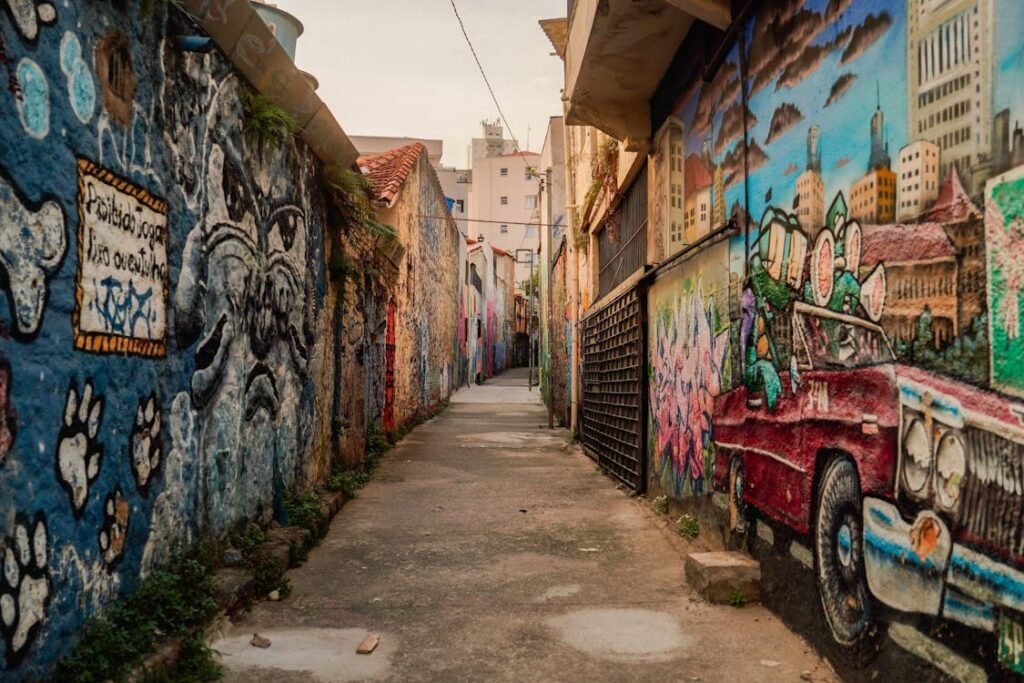
Street art fosters community identity by reflecting local stories and values. In São Paulo, murals from the 1980s era of democracy transition turned walls into platforms for critique, building pride.
It drives urban regeneration, turning neglected areas into attractions. Miami’s Wynwood district went from warehouses to a hotspot thanks to murals, boosting tourism and businesses.
Economically, it raises property values and foot traffic. Studies show blocks with murals see increased pedestrian activity and income. Philadelphia’s Mural Arts Program has created over 4,000 works, addressing issues like mental health.
But it is not all positive. How does this vibrancy affect long-time residents?
READ ALSO: The Intersection of Art & City Identity
Benefits of Street Art in Urban Spaces
| Aspect | Impact | Example |
| Social Cohesion | Encourages dialogue and collaboration | Community murals in Cincinnati enhance belonging. |
| Economic Growth | Boosts tourism and local business | Wynwood attracts visitors, stimulating economy. |
| Cultural Vitality | Preserves heritage and sparks creativity | Melbourne’s laneways as tourist draws. |
These elements show street art’s role in positive change.
Street Art as a Tool for Social Commentary and Artistic Activism
Street art shouts what words sometimes cannot. It is a megaphone for artistic activism, challenging norms and sparking social change.
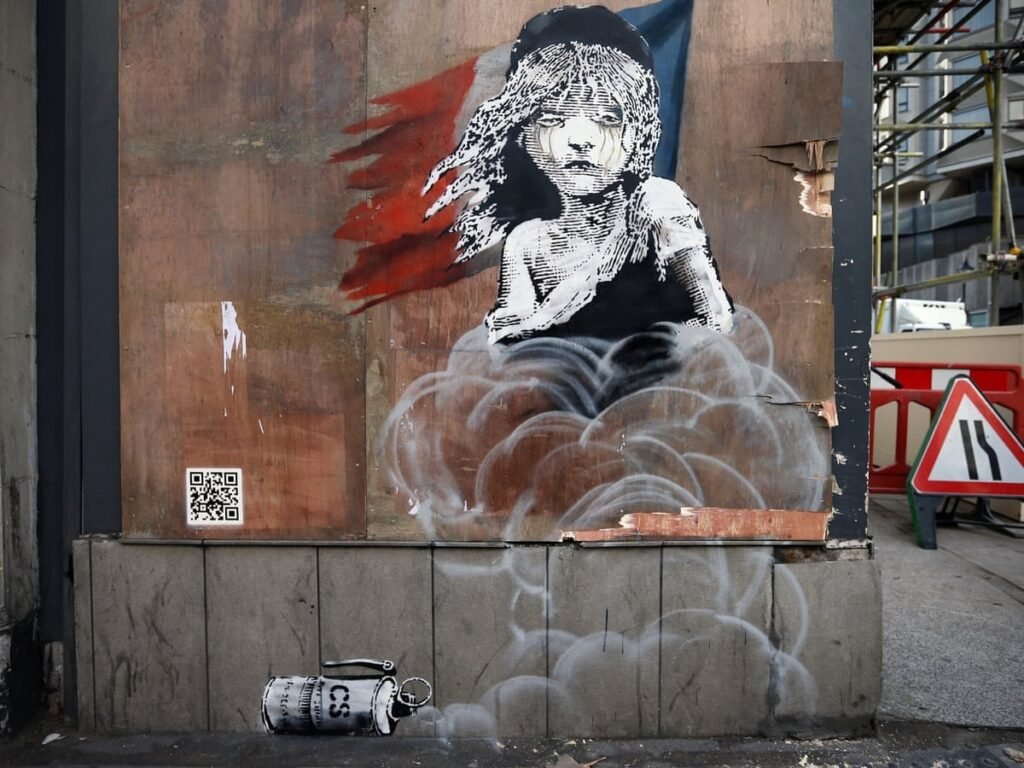
From Banksy’s refugee critiques to Black Lives Matter murals, it addresses inequality and injustice. In Chile, murals resisted dictatorship; today, they tackle environmental issues.
Artists use public walls to amplify marginalized voices, fostering empathy and action. It democratizes art, making it accessible beyond galleries.
Rhetorical question: Can a single mural change minds? History says yes, from Haring’s AIDS awareness to modern climate protests.
In Kathmandu, street art advocates for rights, measured by community engagement.
This activism ties into street art and urban culture, turning cities into conversation starters.
The Dark Side: Street Art, Gentrification, and Community Displacement
For all its beauty, street art can be a double-edged sword in gentrification.
It attracts investors, making neighborhoods “trendy.” But this spikes rents, displacing originals. In Madrid’s Lavapiés, murals led to higher prices, forcing out low-income residents.
Developers use “artwashing” to mask displacement, commissioning works to rebrand areas. New York’s 5Pointz, a graffiti hub, was demolished for condos.
Artists resist with anti-gentrification graffiti, like in Brixton or Bushwick.
Balancing regeneration without harm is key. Community-led projects help.
Modern Trends in Street Art and Urban Culture
Today, street art and urban culture blend with tech and globalization.
Digital planning and AR enhance works. Festivals like Miami’s Art Basel showcase trends.
Sustainability rises, with eco-murals using non-toxic paints.
Global influences mix styles, from African motifs to Asian stencils.
In cities like Johannesburg, street art reflects diverse cultures, as seen in viral explorations. (From X post highlighting urban vibrancy.)
These trends keep street art fresh and relevant.
Emerging Artists and Innovations
- Prefab stencils for quick activism.
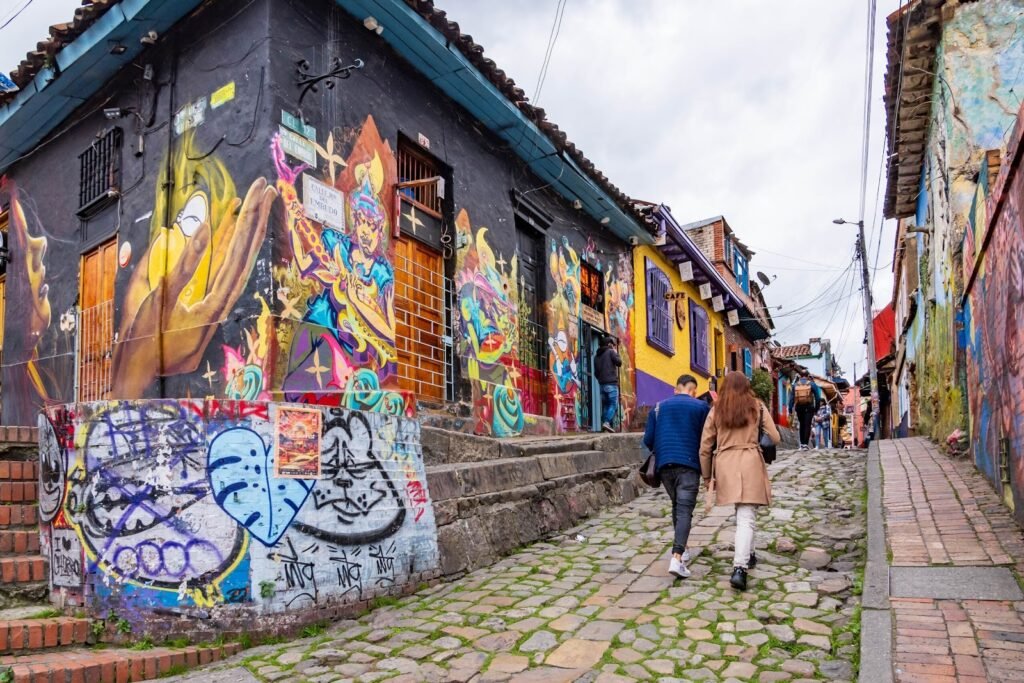
- Interactive murals with QR codes linking to stories.
- Collaborations with brands, blending commerce and culture.
Keep an eye on these for the future of aerosol art.
Street art has journeyed from tags to transformative force, enriching urban culture while navigating challenges like gentrification. Key takeaways: It evolves with society, fosters community identity, drives artistic activism, but requires mindful application to avoid harm. Whether sparking social change or regenerating spaces, it reminds us cities are canvases. Ready to engage? Take a street art tour in your city or support local artists. For more on urban creativity, check How to Spot Hidden Murals in Your Neighborhood or visit the EPA’s guide on community art initiatives at epa.gov/stormwater.
YOU MAY ALSO LIKE: How Architecture Shapes Social Behavior
 IQnewswire